
Journey Through Millennia of Eritrean Civilization - From Ancient Kingdoms to Modern Independence
Explore Historical ErasEritrea offers a truly unique and immersive historical experience, distinct from many other African nations due to its layered past, from ancient civilizations to colonial influences and a hard-won independence. Historical tours in Eritrea often combine architectural marvels, ancient ruins, and poignant war sites.
Italian Colonial Architecture from the late 19th century through the 1930s
This is Asmara's defining historical feature. The city was meticulously planned and built by the Italians from the late 19th century through the 1930s.
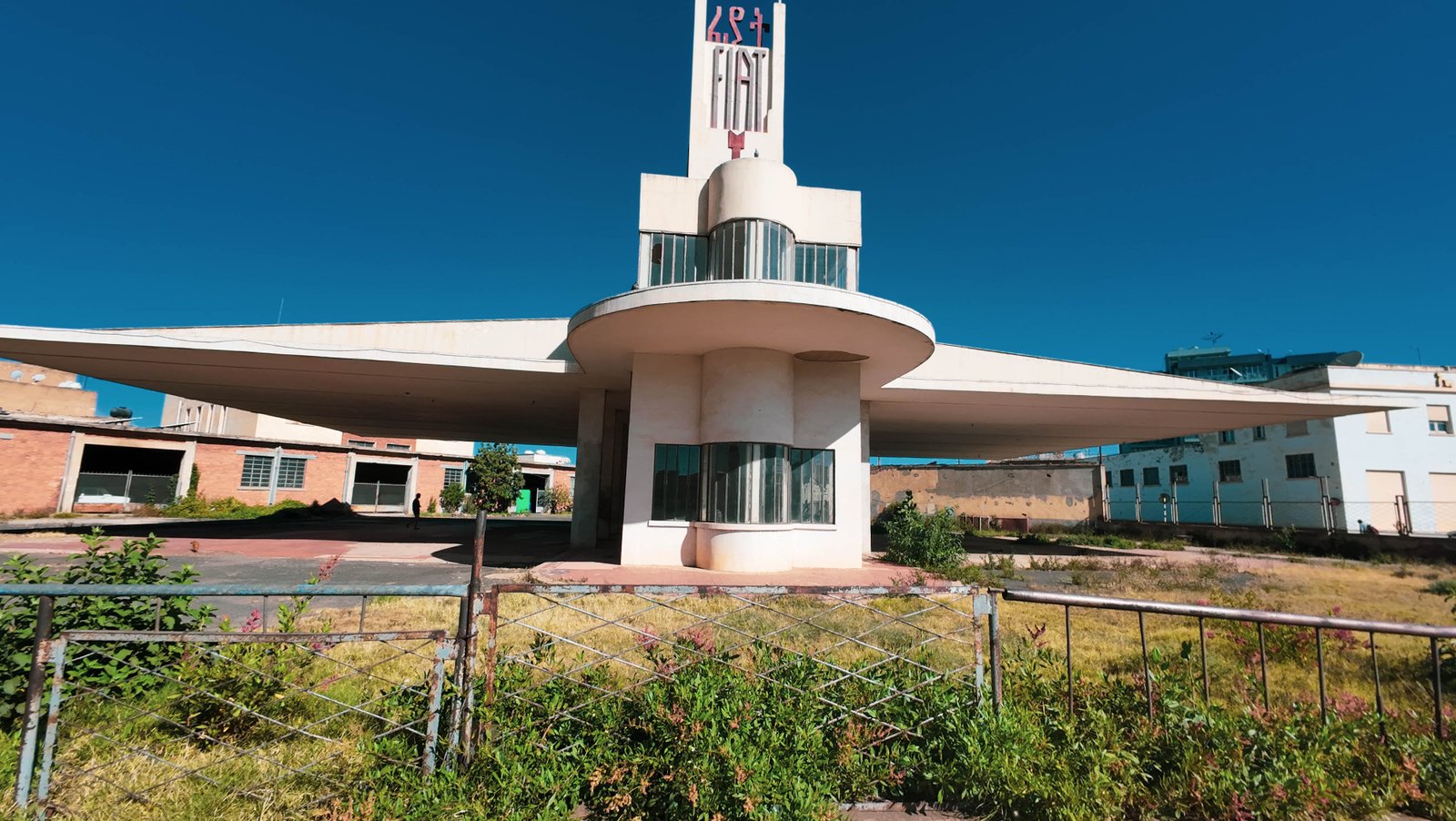
An iconic Futurist-style service station designed to look like an airplane, built in 1938. Features dramatic cantilevered concrete wings that span 30 meters without support.
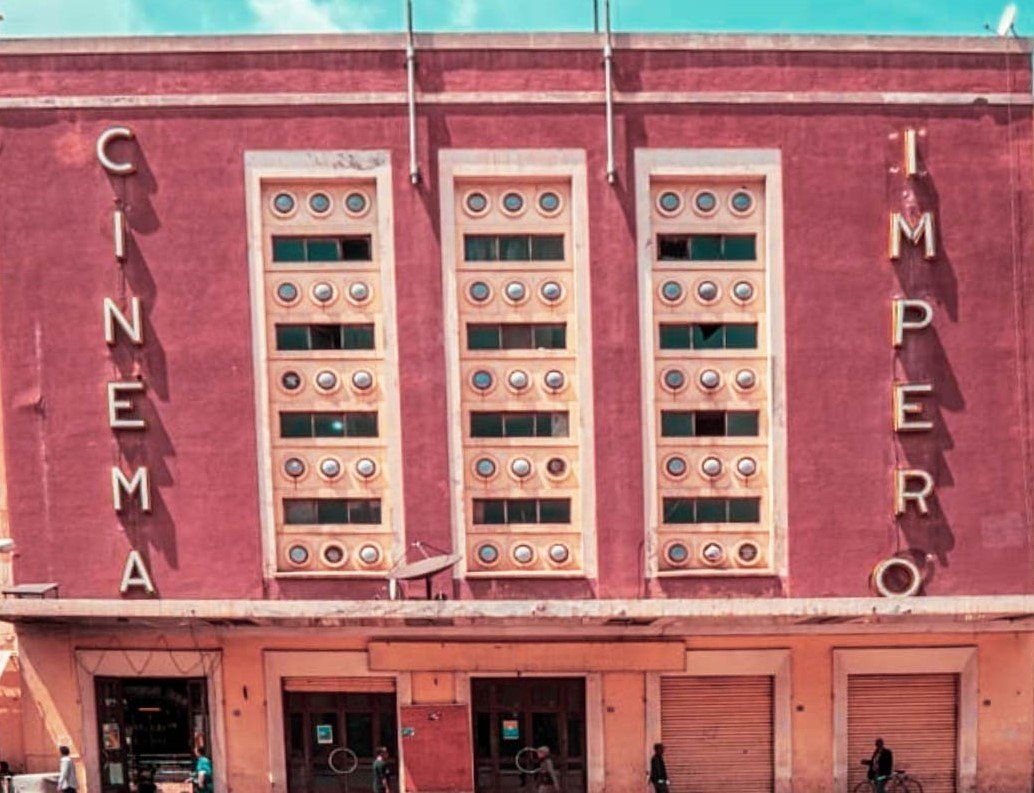
Grand Art Deco cinemas that transport you back to their glamorous heyday. Cinema Impero, built in 1937, is one of the finest examples of modernist architecture in Africa and still operational today.
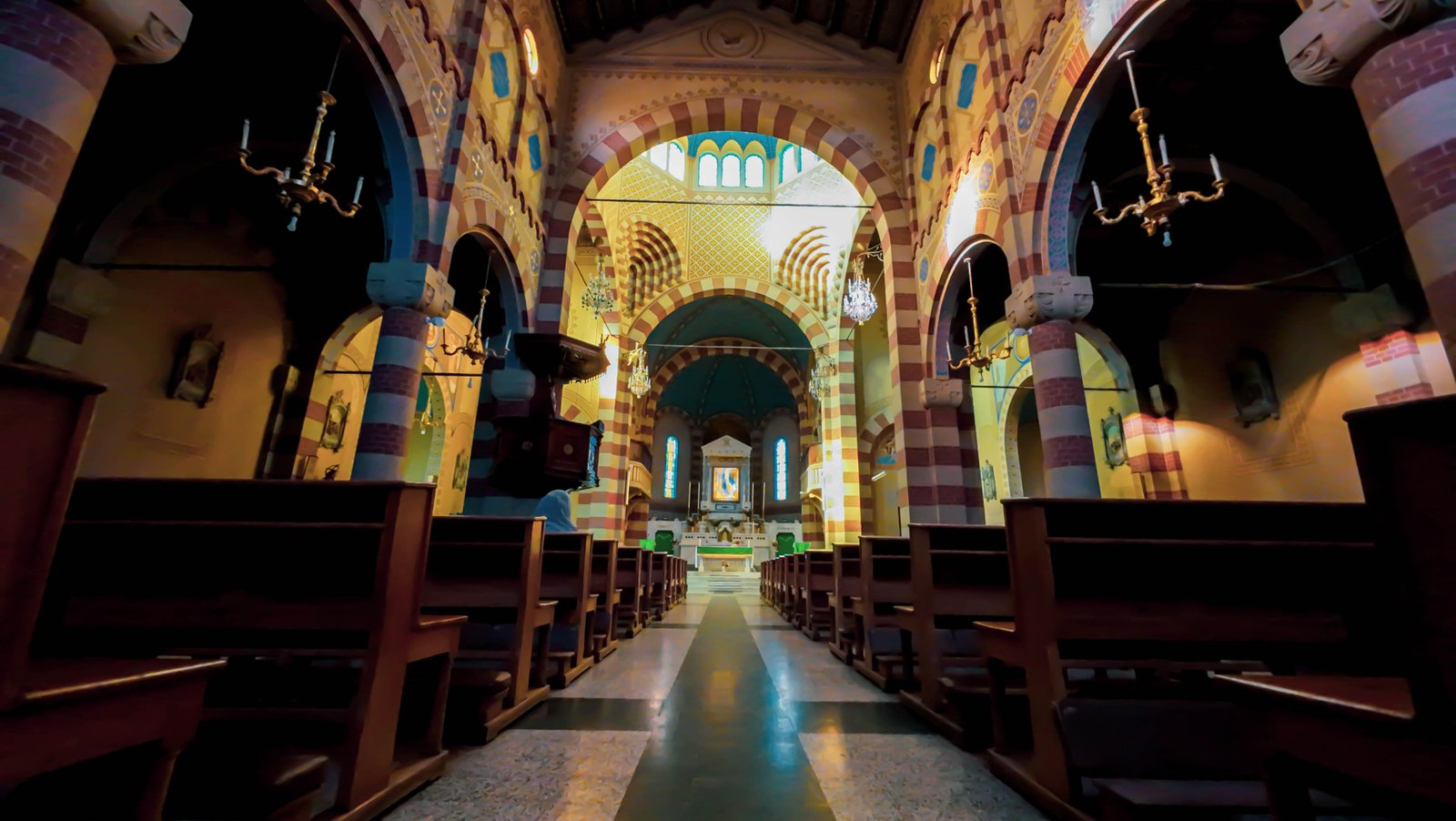
A striking Romanesque-Lombard style church with a tall bell tower offering panoramic city views. Completed in 1922, it remains a dominant feature of Asmara's skyline and spiritual life.
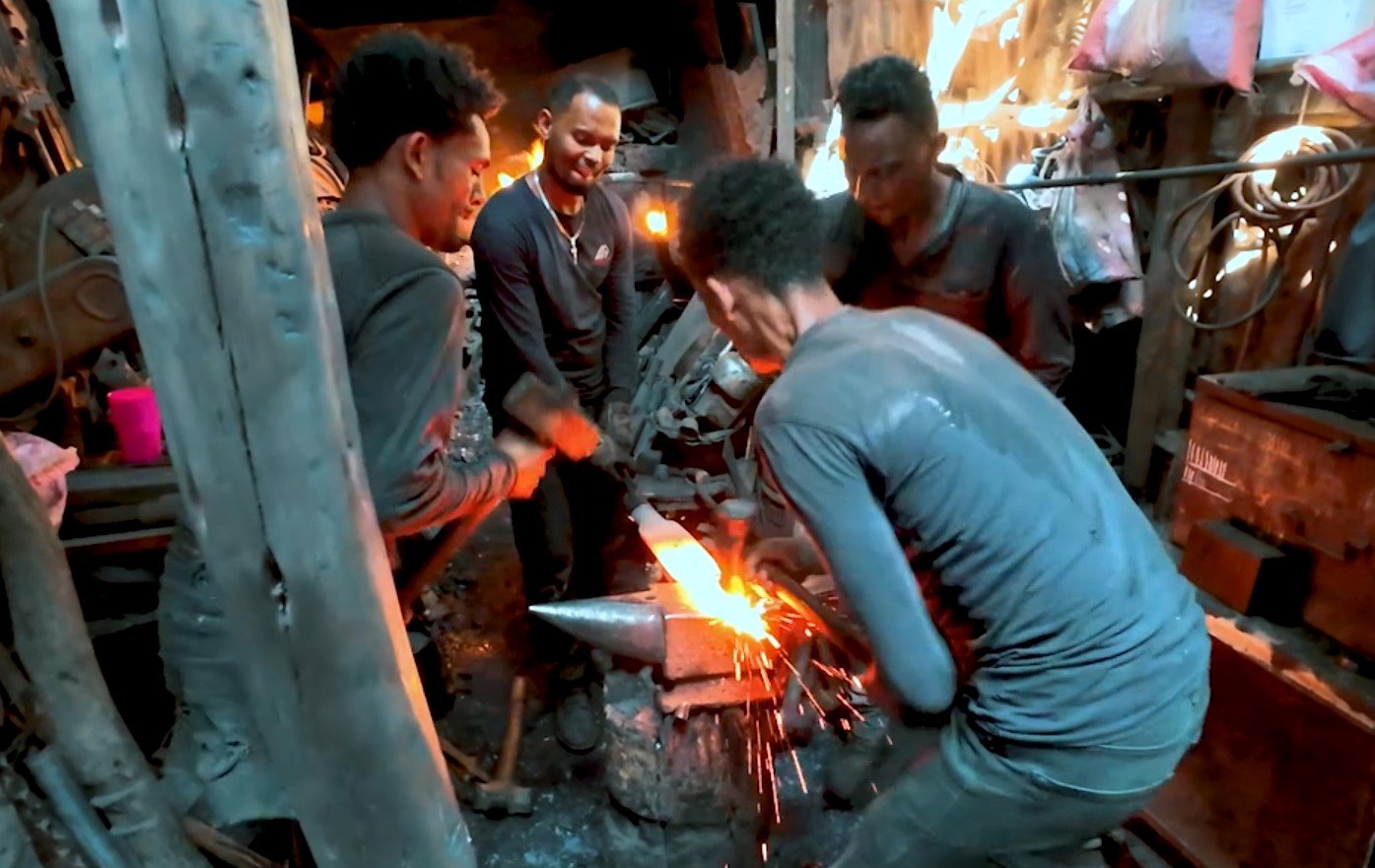
A unique living testament to Eritrean ingenuity. Artisans ingeniously recycle scrap metal into household goods, showcasing a historical approach to resourcefulness and sustainable craftsmanship.
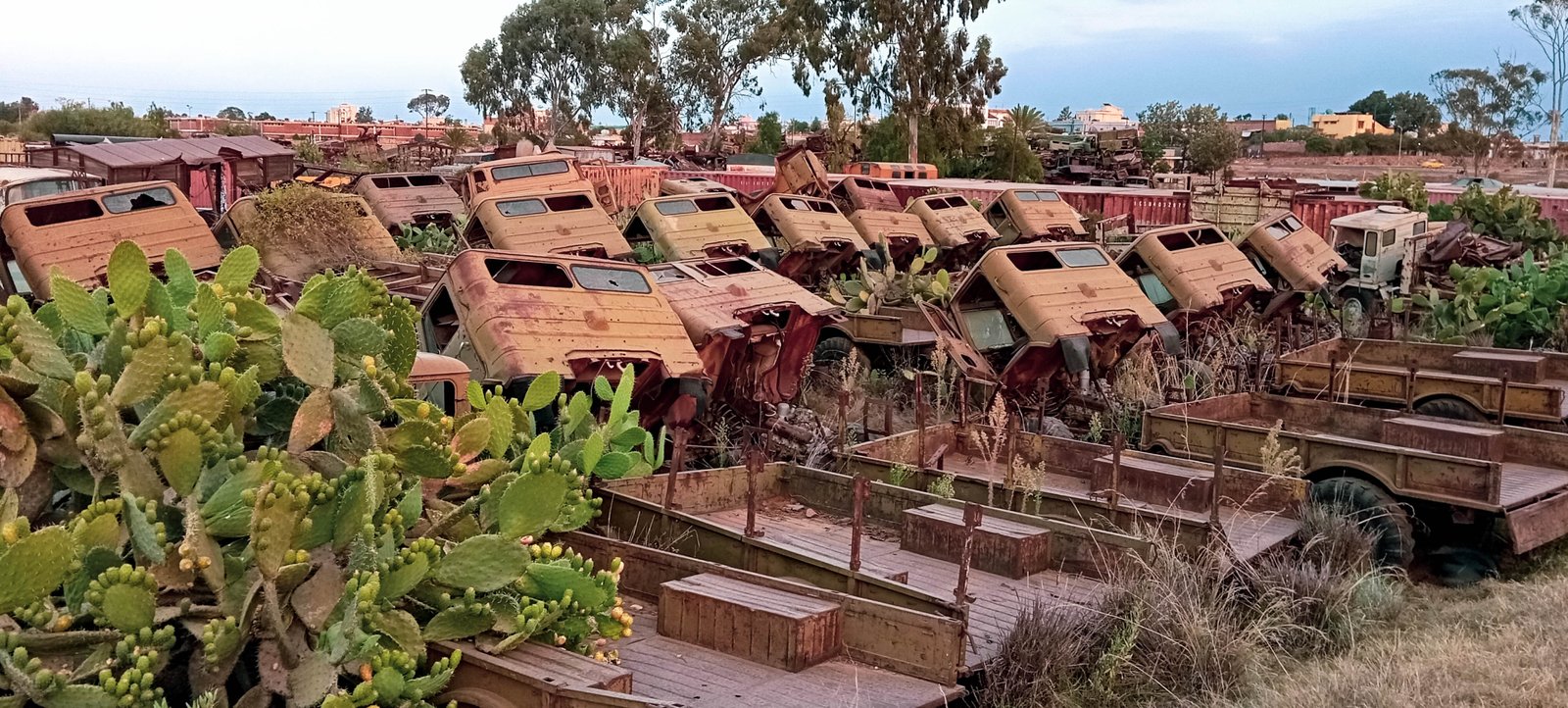
A poignant site on the outskirts of Asmara, featuring hundreds of tanks, armored vehicles, and other military equipment left over from the Eritrean War of Independence. A stark reminder of the country's recent past and struggle for freedom.

Houses a diverse collection of artifacts spanning Eritrea's history, from ancient archaeological finds to exhibits on the independence struggle, providing a comprehensive overview of the country's heritage.
Walking Tours: The best way to experience Asmara's architecture is through guided walking tours, allowing you to appreciate the details and stories behind each building including the Grand Mosque (blend of Islamic and Italian styles), Orthodox Enda Mariam Cathedral, Governor's Palace, Former Opera House, Central Post Office, Hotel Ciaao, Albergo Italia, and Capitol Cinema.
War Cemeteries: Italian & Commonwealth War Cemeteries serve as somber reminders of the fierce battles fought in Eritrea during World War II, particularly between Allied and Italian forces. They offer insight into the human cost of these conflicts.
Old Railway Station: While the railway itself is partially restored, visiting the old station in Asmara or Nefasit (on the way to Massawa) gives a glimpse into the once-grand Italian-built railway system, a historical engineering feat.
Strategic port city with a history deeply intertwined with its coastal location
Massawa's history is deeply intertwined with its strategic location as a port city, having been influenced by Ottoman, Egyptian, and Italian powers throughout the centuries.
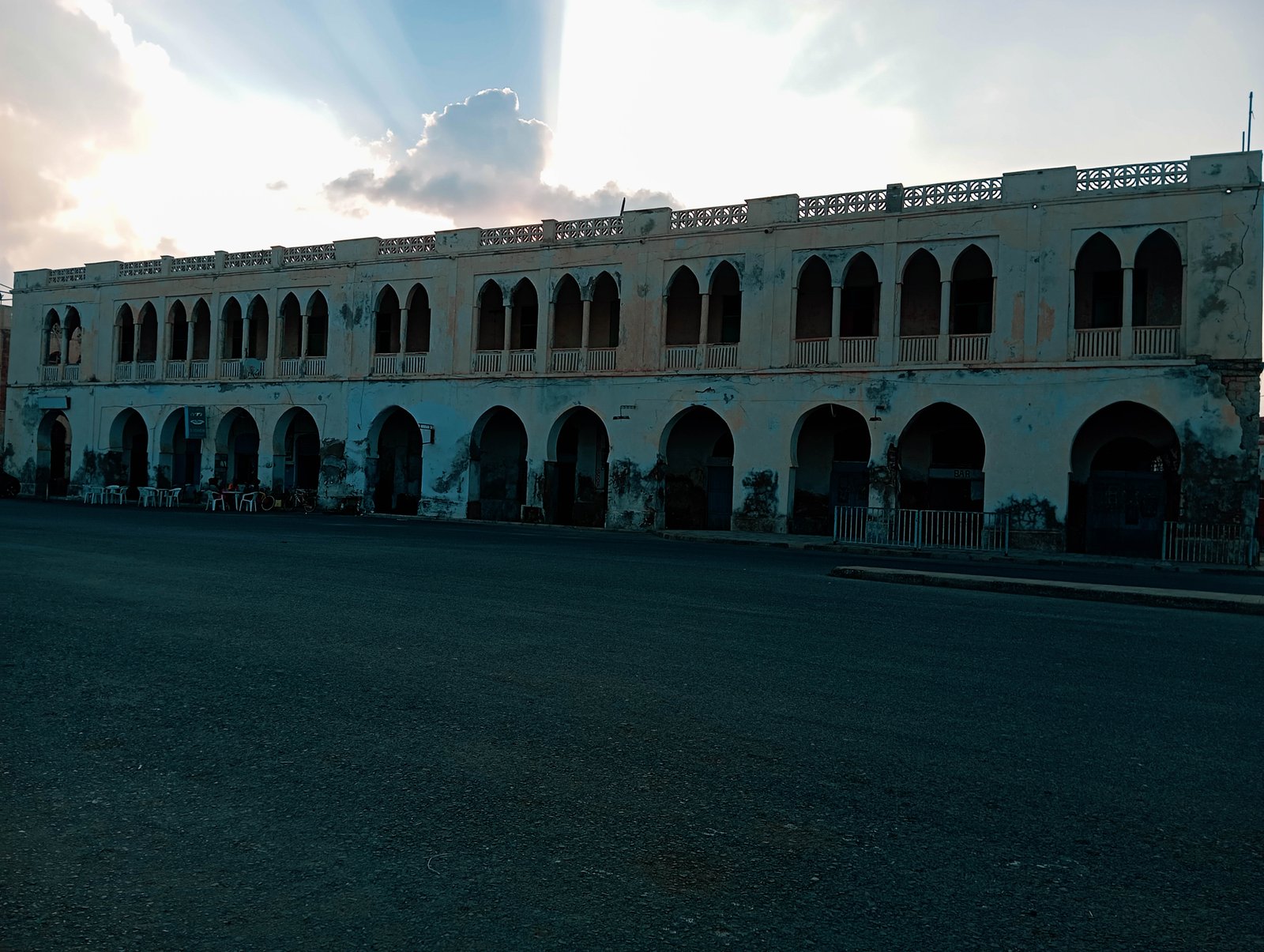
Explore the narrow alleyways and unique buildings constructed from coral stone, reflecting Ottoman, Egyptian, and Italian influences. Despite significant war damage, many historical structures remain, showcasing the city's multicultural heritage.
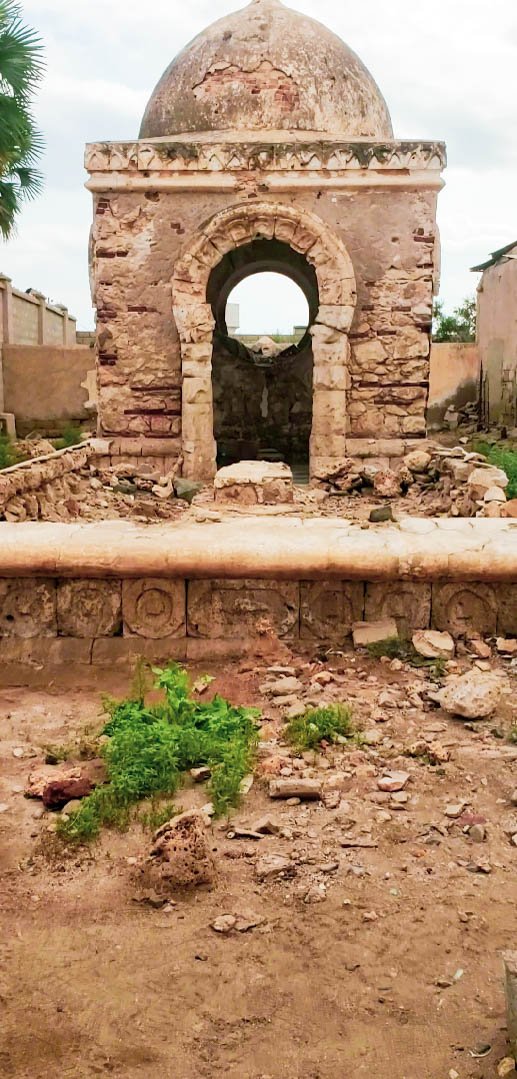
Believed to be one of the oldest mosques in Africa, dating back to the 7th century CE. A truly significant historical and religious site that represents the early spread of Islam to the Horn of Africa.
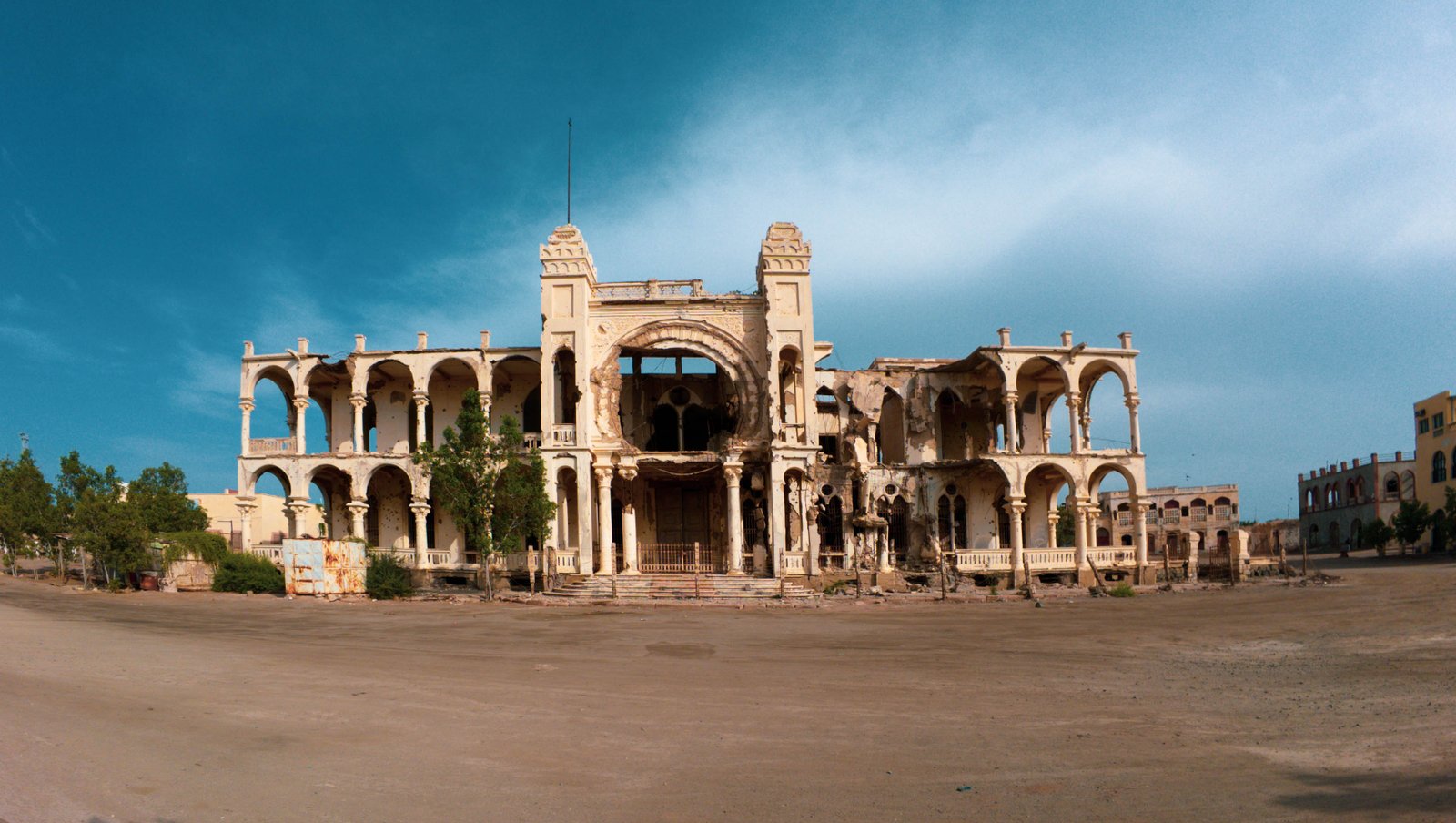
The remnants of the former Imperial Palace, offering a glimpse into its past grandeur despite the destruction it endured during various conflicts. Once served as residence for Ethiopian Emperor Yohannes IV and later Italian governors.
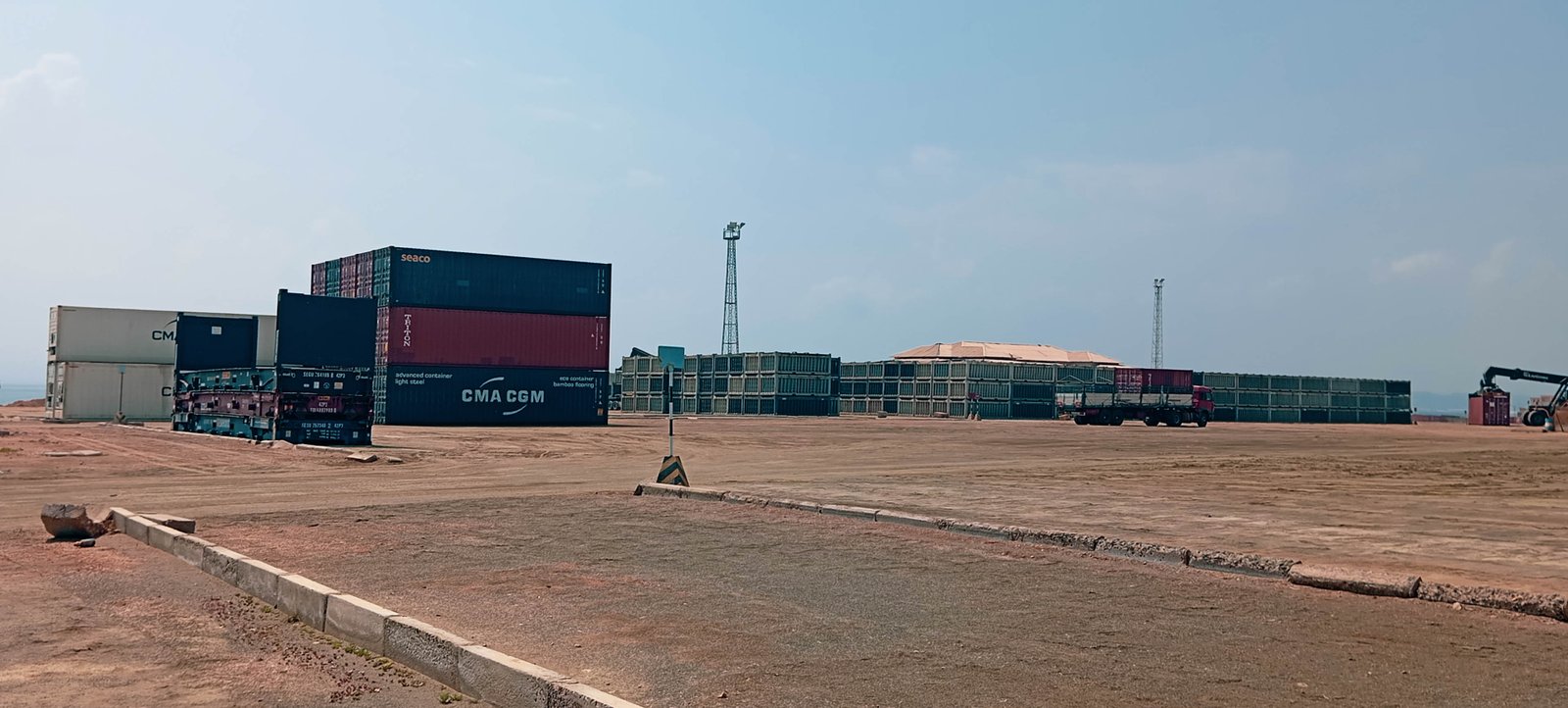
Witness the active port, which has been a trade hub for millennia, and imagine the ships and goods that passed through it throughout history - from ancient Aksumite trade to Italian colonial shipping.

Massawa was a crucial point during the East African Campaign of WWII. You can find remnants and memorials related to these battles, including fortifications and commemorative plaques throughout the city.
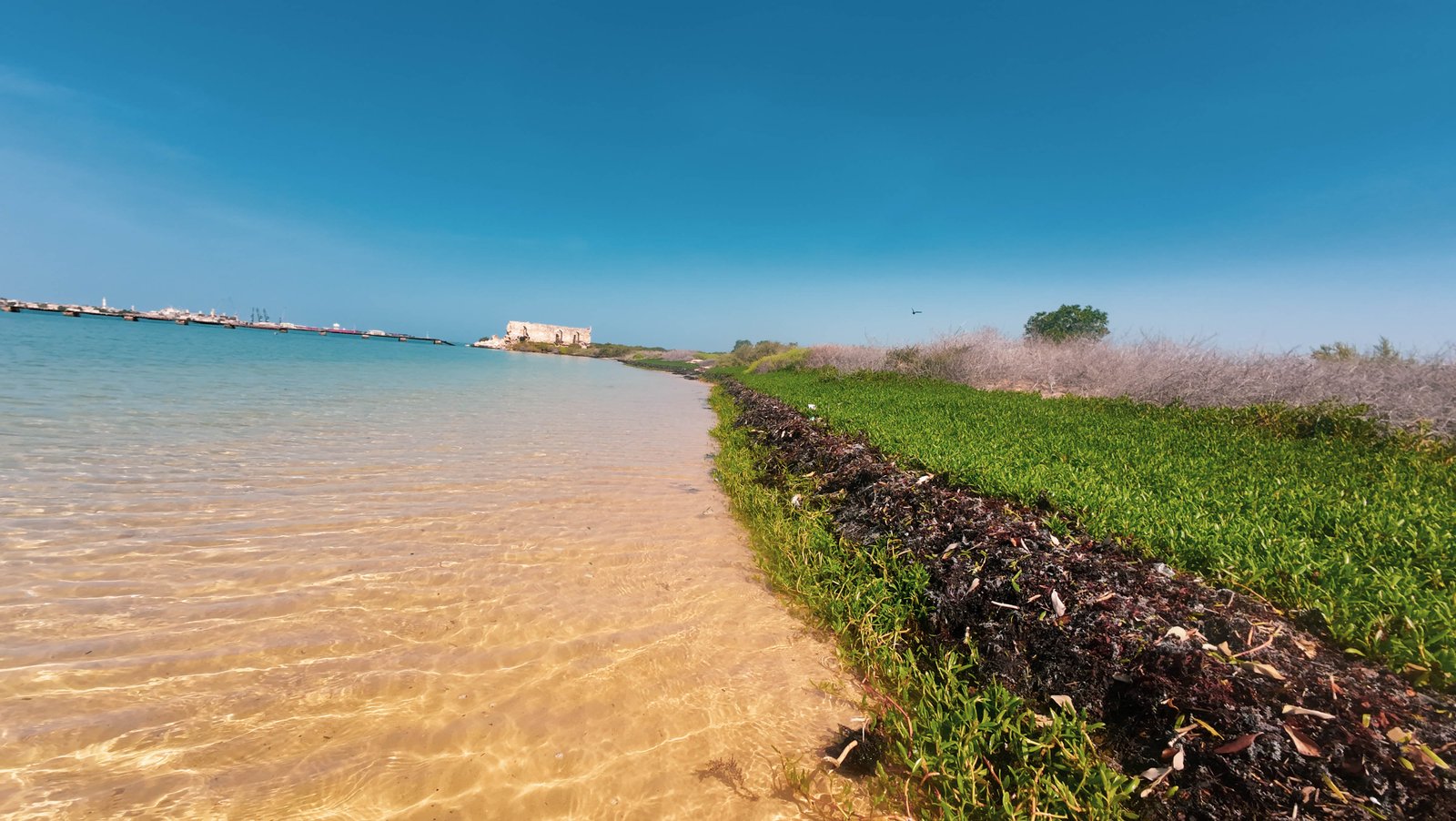
While primarily for beaches, the boat trip to Green Island can also be seen as part of exploring Massawa's coastal history and its strategic maritime importance throughout the centuries.
Nestled in the highlands with a distinct historical narrative, particularly related to battles
Keren has played a crucial role in Eritrea's history, being a site of significant battles and serving as an important cultural and commercial crossroads in the highlands.

Keren was the site of a pivotal battle in 1941, leading to the Allied victory over Italian forces. The battle lasted 53 days and was one of the hardest fought in the East African campaign.
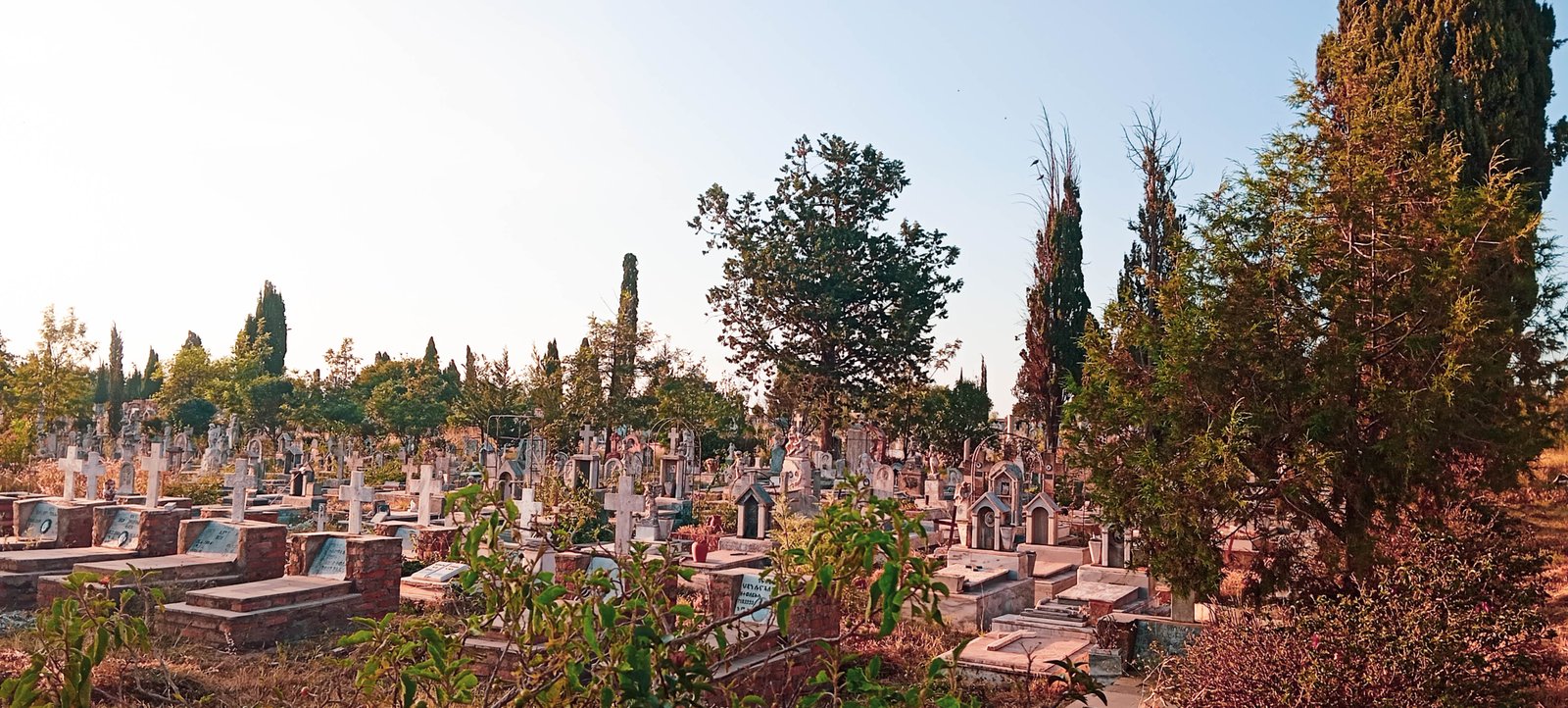
Solemn places that commemorate the soldiers who fell during the Battle of Keren. The Italian cemetery contains over 600 graves, while the British cemetery holds around 450.
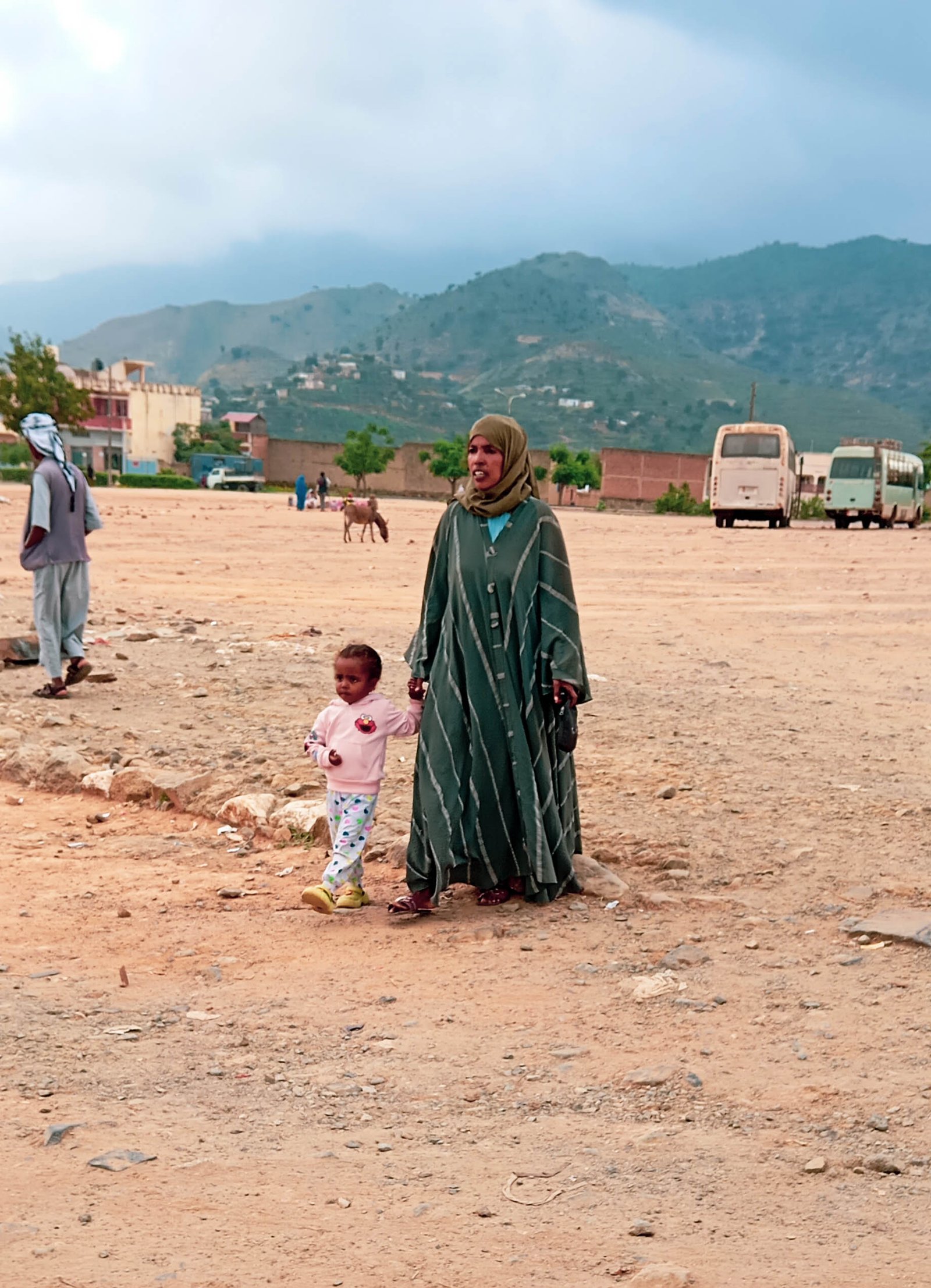
A 19th-century fort that played a role in the historical defenses of the area. Originally built by Egyptian forces during their occupation, it offers panoramic views of Keren and the surrounding mountains.
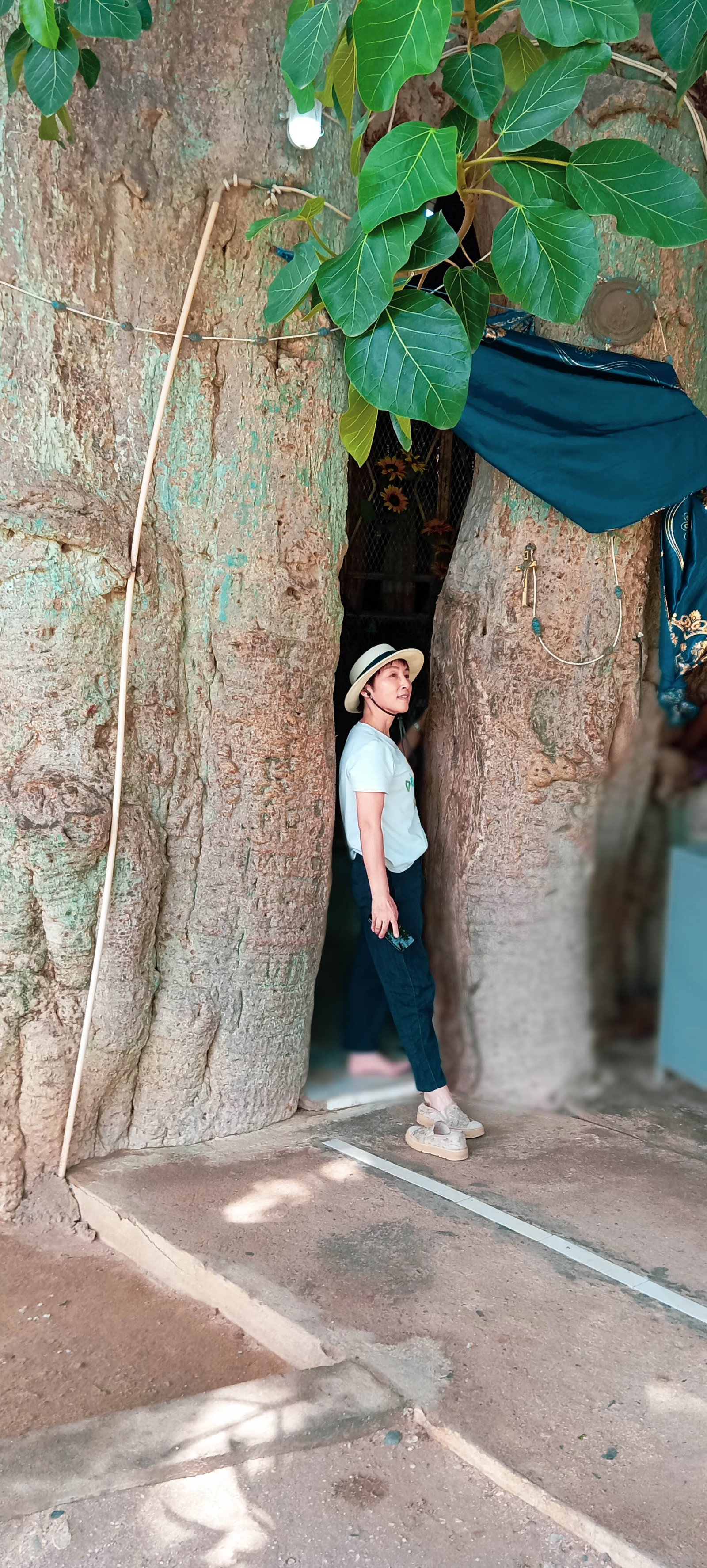
A unique chapel built inside a baobab tree, a fascinating blend of natural wonder and religious history. An important pilgrimage site that attracts both Christians and Muslims.
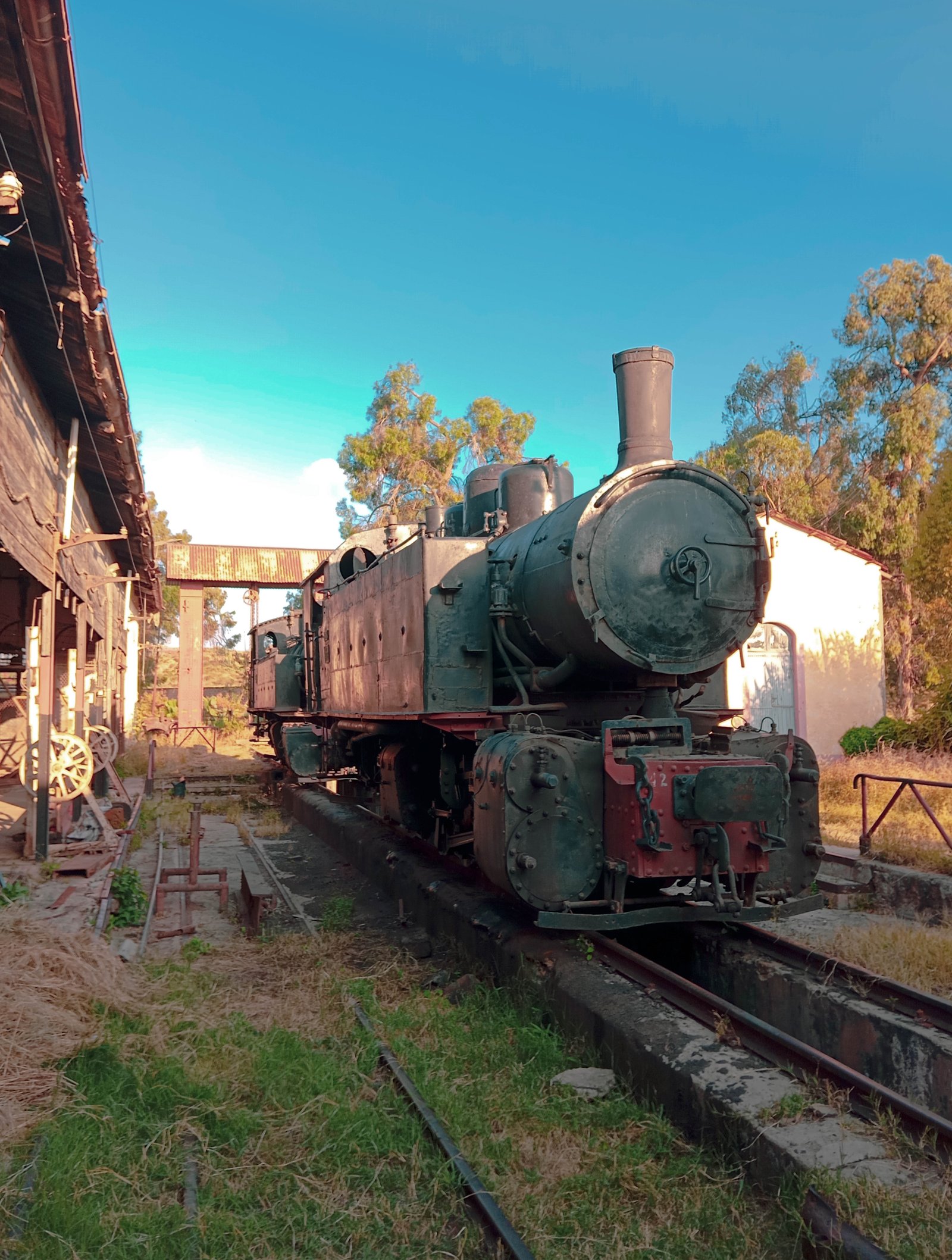
Similar to Asmara, Keren's old railway station provides a historical insight into the Italian-built railway network that once connected the highlands to the coast, a significant colonial engineering project.
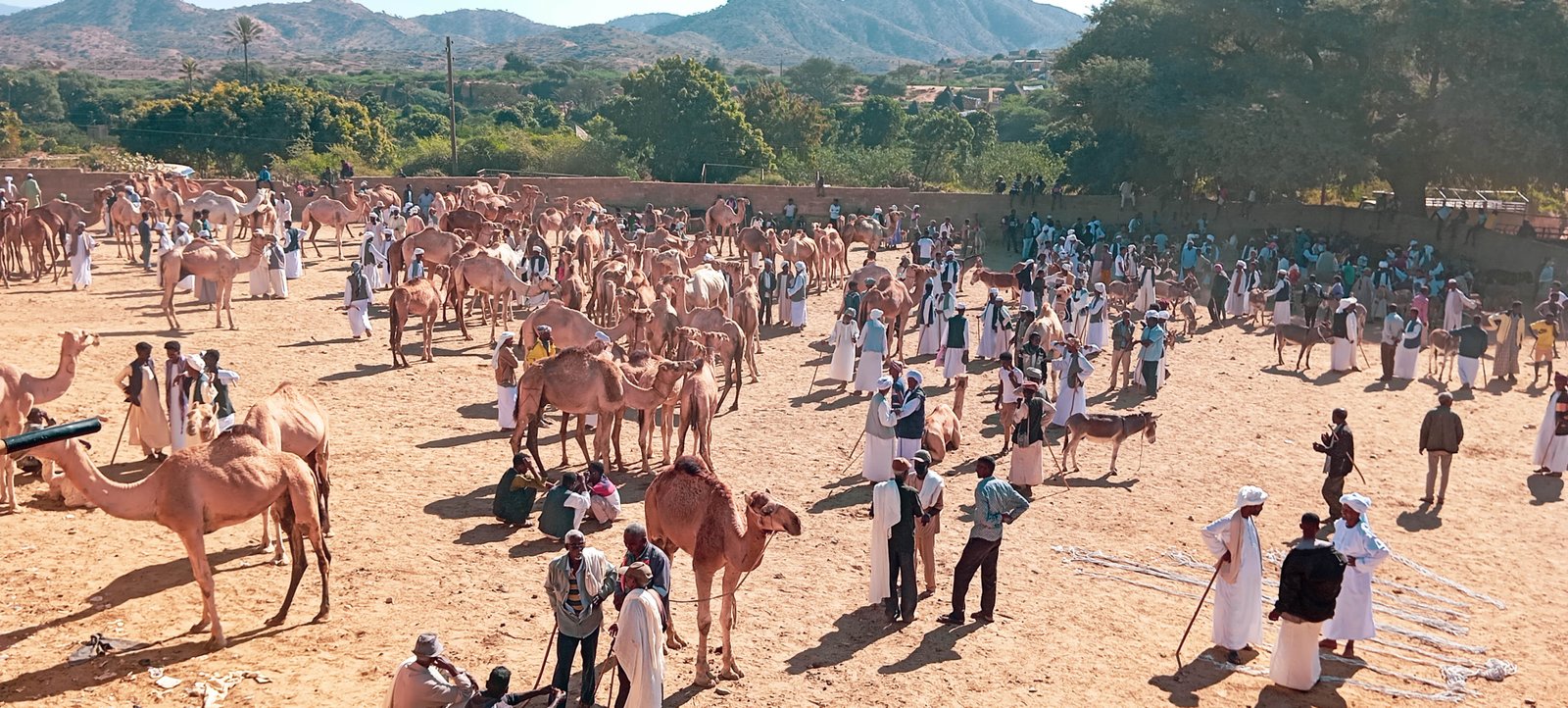
While not "ancient history," this vibrant market is a living historical tradition, showcasing centuries-old trading practices and a glimpse into the diverse highland cultures. One of Eritrea's most famous traditional markets.
Journey to Eritrea's ancient past through significant archaeological discoveries
Eritrea is home to several significant pre-Aksumite and Aksumite archaeological sites. These require specific permits and can be more challenging to access but offer deep historical insights into early urban civilizations in the Horn of Africa.
Location: Southern highlands, about 100 km south of Asmara
Significance: An important ancient city dating back to the pre-Aksumite period (circa 750 BCE), with evidence of occupation into the Aksumite era. Legends even link it to the Queen of Sheba.
Ruins: Explore the remains of temples (like Mariam Wakiro), ancient tombs, palaces, and rock-art paintings. The site provides a fascinating glimpse into early urban planning and advanced architectural techniques.
Location: Ancient port city on the Red Sea coast, south of Massawa
Significance: Once a major trading hub for the Aksumite Empire, connecting it to the Roman world, India, and other parts of Africa. Its strategic importance as a maritime gateway to the interior for centuries.
Ruins: Visitors can explore the ruins of ancient buildings, temples, and port structures, gaining a deeper understanding of its economic and cultural significance in ancient trade networks.
Location: Southern highlands, often visited in conjunction with Qohaito
Significance: Another significant archaeological site with ruins from the Aksumite period, including the famous obelisk. Provides important insights into Aksumite civilization and its expansion.
Features: Ancient stelae (obelisks), ruins of stone buildings, and archaeological evidence of a once-thriving Aksumite settlement that was part of the empire's hinterland.
These archaeological sites require specific travel permits and arrangements. Access can be challenging due to remote locations and necessary permissions. We strongly recommend arranging visits through licensed tour operators who can handle permits, provide knowledgeable guides, and arrange appropriate transportation.
Choose from our curated historical tours designed for different interests and durations
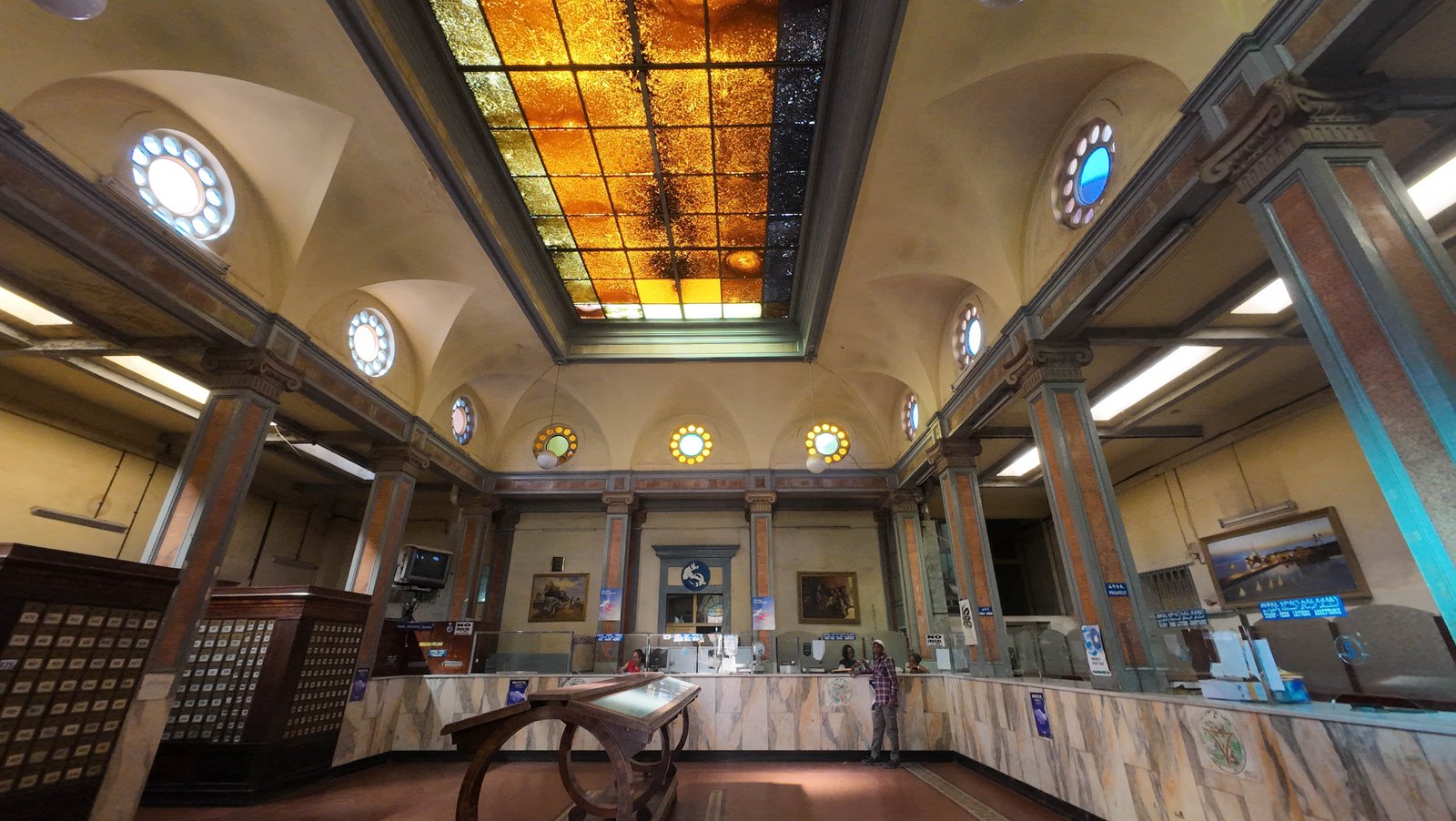
Comprehensive exploration of Asmara's UNESCO World Heritage modernist architecture with expert architectural historian guide.
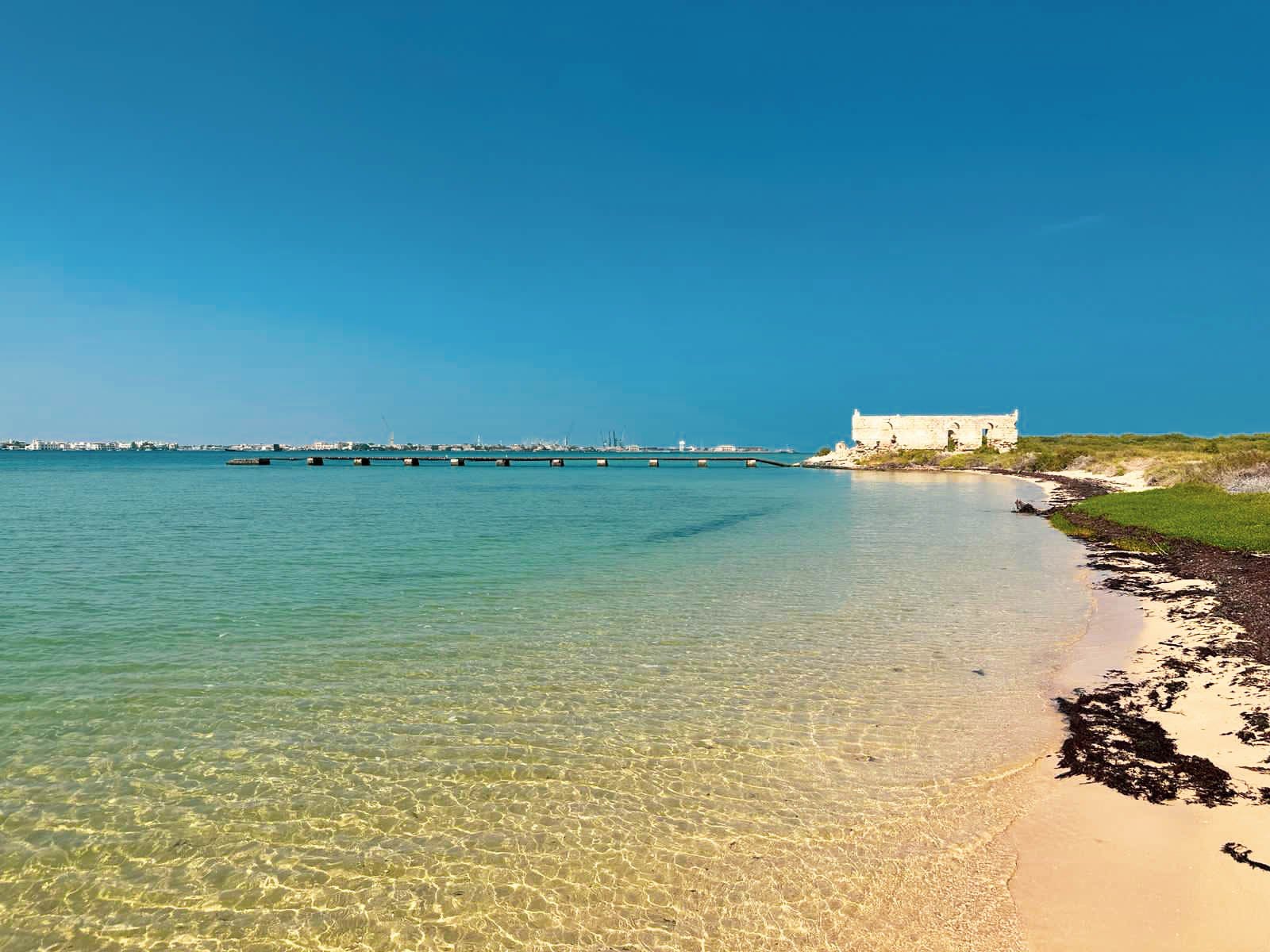
Journey from Asmara to Massawa exploring architectural heritage from Italian colonial to Ottoman influences.
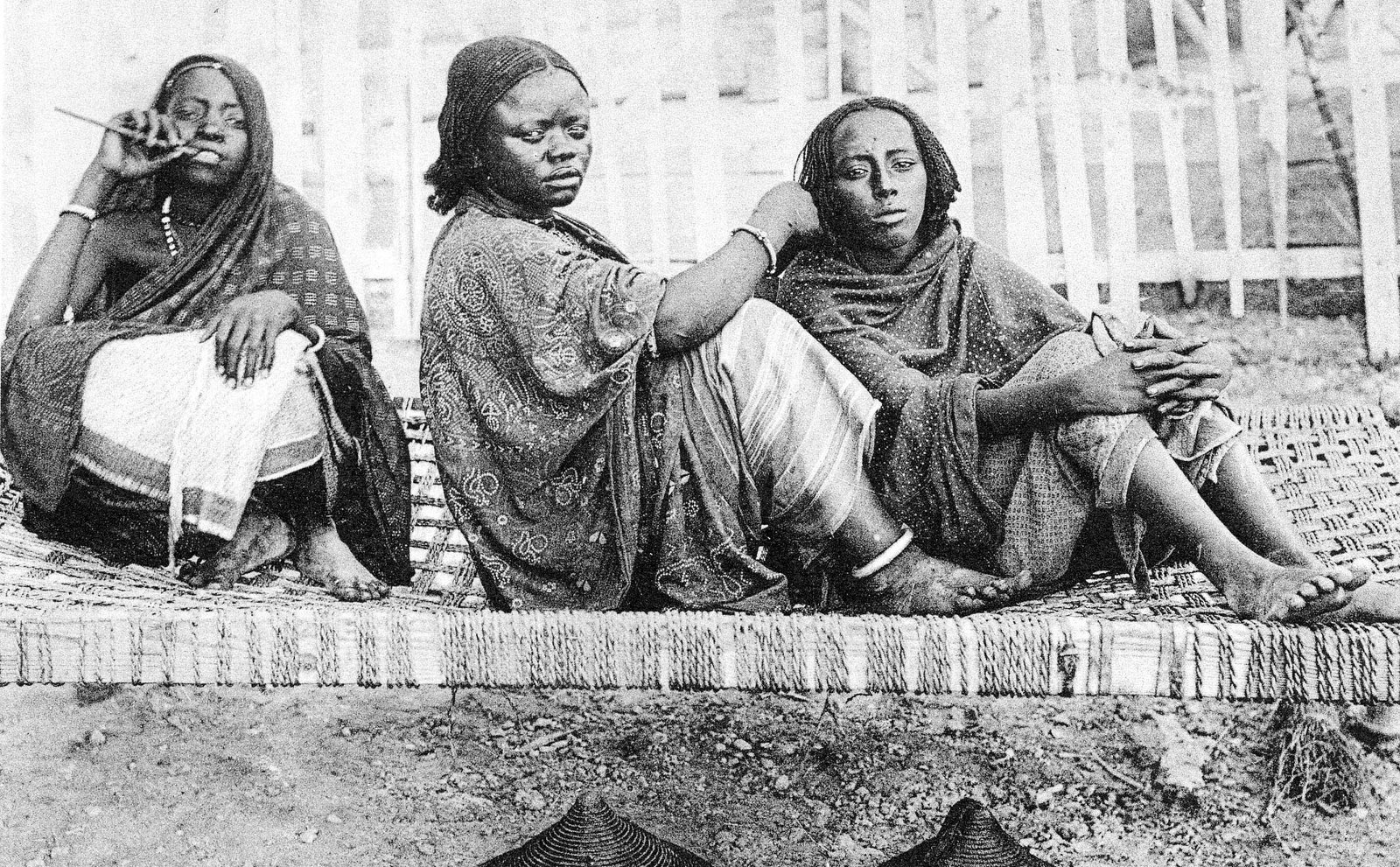
In-depth exploration of Eritrea's ancient archaeological sites with specialist guide and all permits arranged.
Essential information for organizing your historical journey through Eritrea
It is highly recommended to arrange your historical tours through a local, licensed Eritrean tour operator. They are essential for obtaining necessary travel permits for different regions and sites, which is crucial for historical tours.
Tour operators arrange reliable vehicles for travel, especially to remote archaeological sites. They provide knowledgeable guides who can offer in-depth historical context and insights that greatly enhance the experience.
Our tour operators offer flexible itineraries, allowing you to focus on specific historical periods or interests (e.g., Italian colonial architecture, ancient history, or war history). Tours can range from day trips to multi-day expeditions.
Optimal seasons for exploring Eritrea's historical sites
The cooler months from October to March are generally ideal for historical tours, especially for exploring outdoor archaeological sites, to avoid the intense heat. This period offers comfortable temperatures for walking tours and outdoor exploration.
October-March: Ideal for all historical tours, comfortable temperatures for extensive walking and outdoor exploration.
April-June: Still good for historical tours, though temperatures begin to rise, especially in lowland areas like Massawa.
July-September: Rainy season in the highlands; some archaeological sites may be more challenging to access due to weather conditions.
Visual journey through Eritrea's rich historical heritage
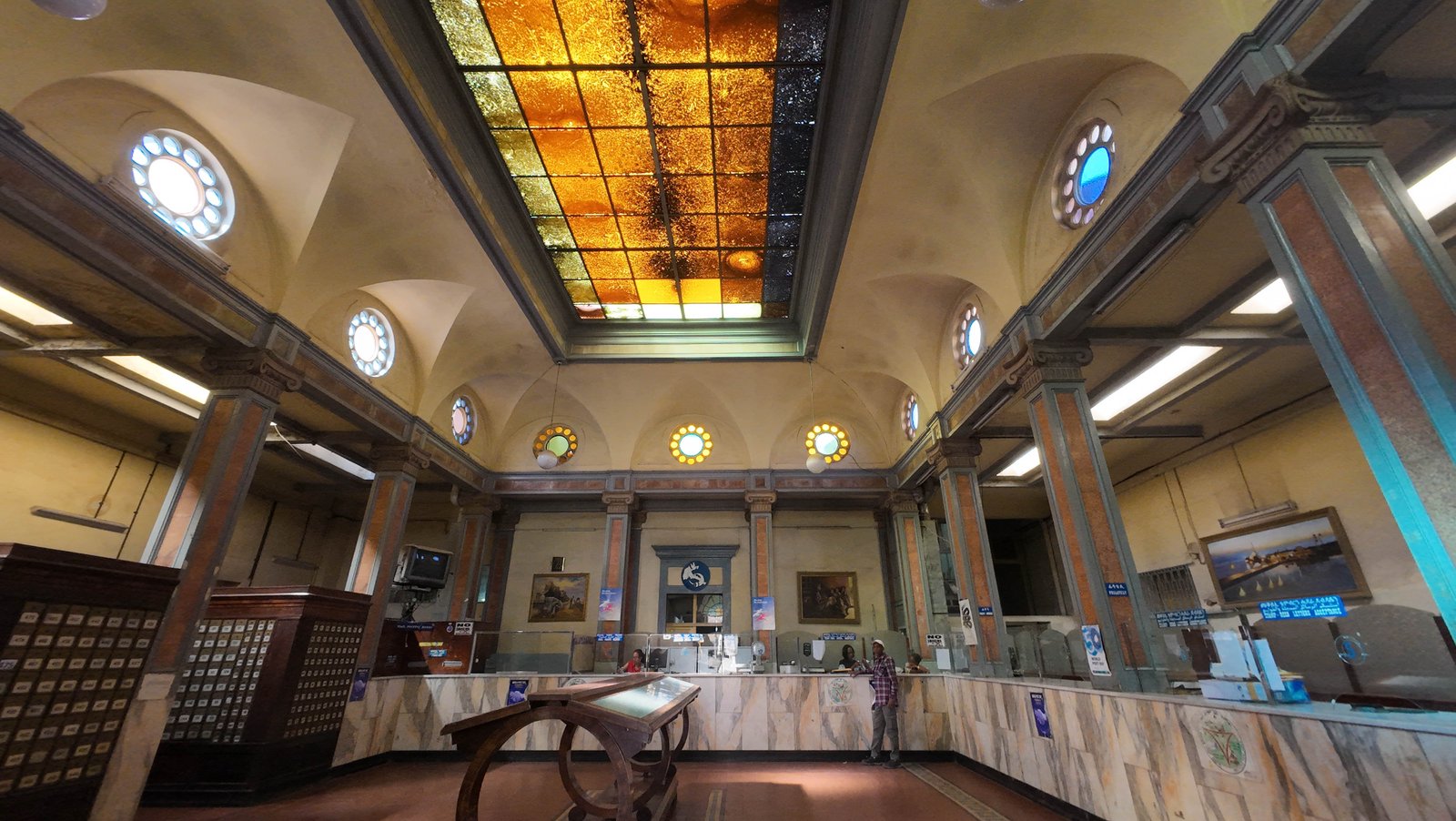
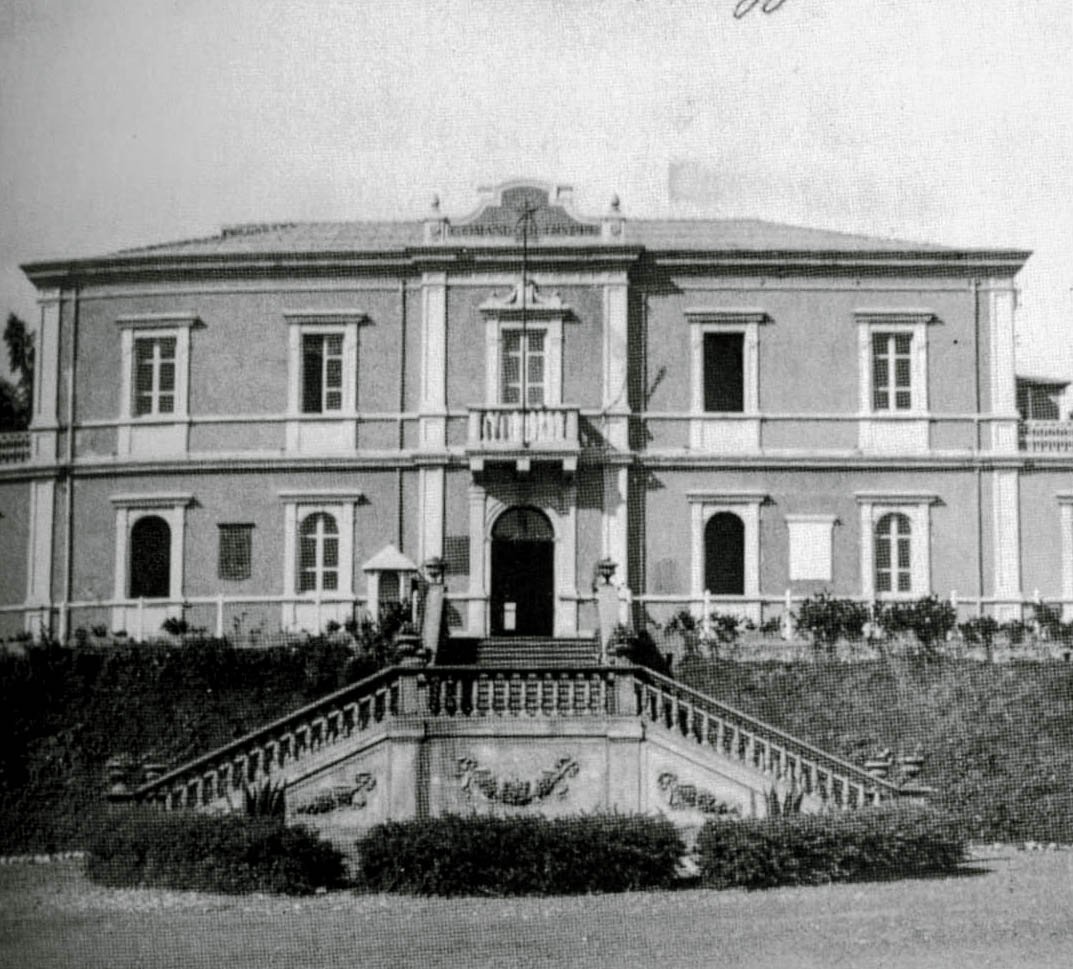
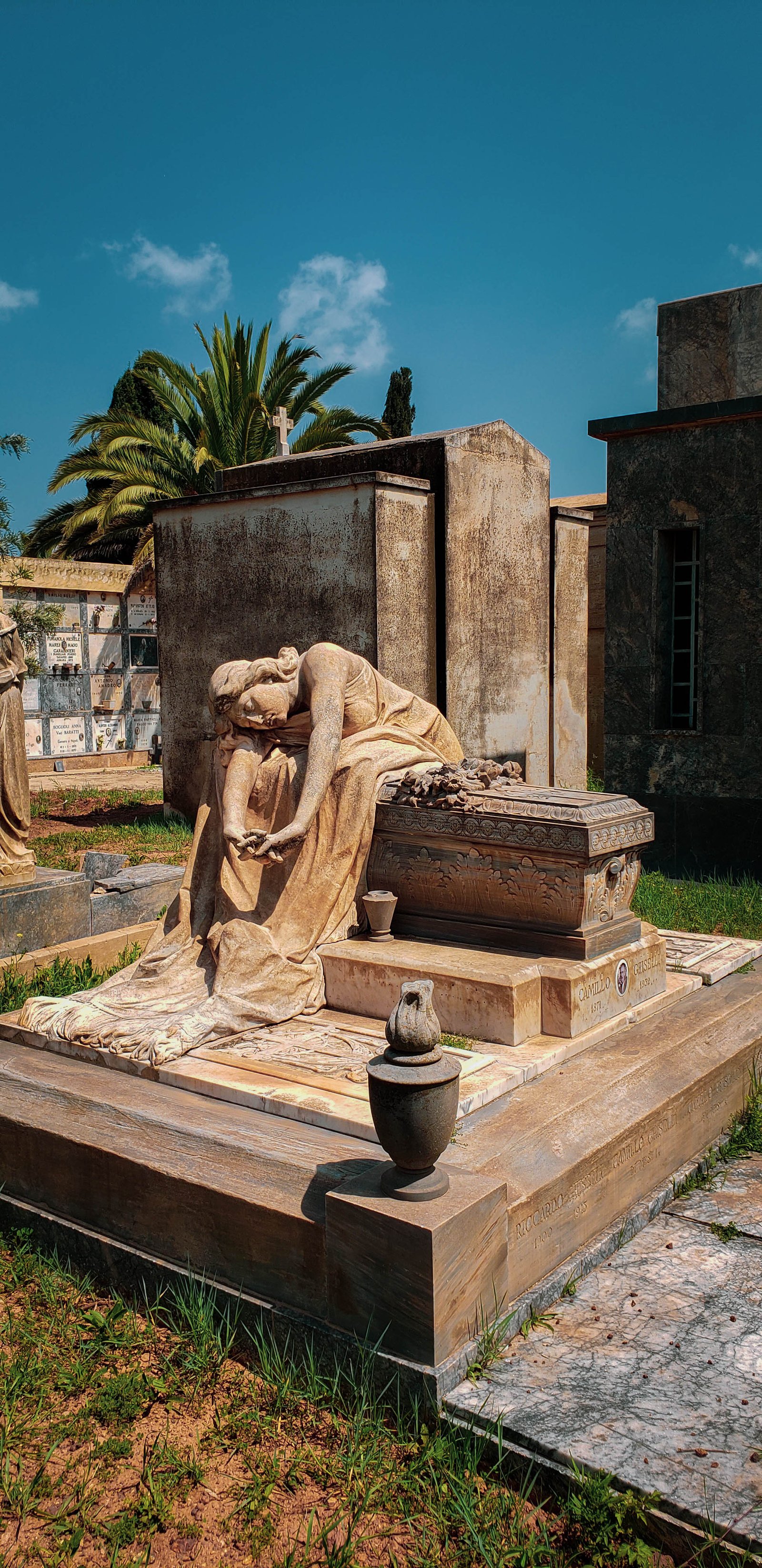

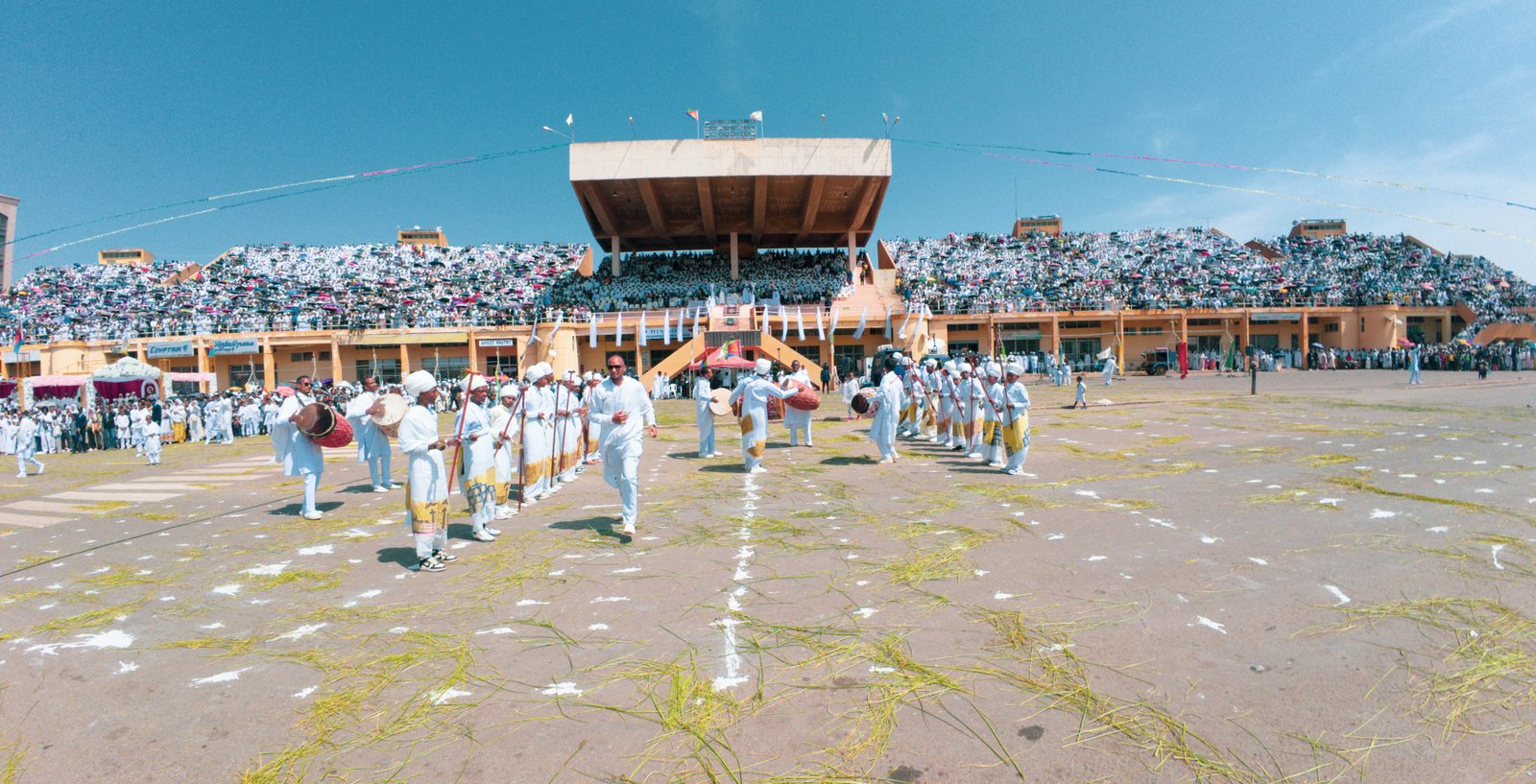

Eritrea's historical depth is truly captivating, offering a journey through millennia of human civilization and struggle, culminating in its unique present-day identity. Book your historical tour today and walk through the pages of Eritrea's rich past.