
Experience Eritrea's Rich Tapestry of Traditions, Cuisine, and Spiritual Heritage
Explore Cultural ExperiencesEritrea, a nation with a deep historical memory and a rich tapestry of cultures, offers incredible opportunities for cultural and pilgrimage tours. Its diverse ethnic groups, each with unique customs, and its strong religious traditions create a vibrant cultural landscape that welcomes respectful exploration.
Experience communal dining and the ritual of Eritrean hospitality through food
Eritrean cuisine is a delicious blend of indigenous flavors, influenced by its history of trade and colonial rule (particularly Italian). The communal dining experience is a key cultural aspect, bringing people together around shared platters.

The cornerstone of Eritrean meals. This spongy, sourdough flatbread (often made from teff, a tiny, nutritious grain) serves as both the plate and the utensil. It's used to scoop up stews and other dishes, creating a truly communal dining experience.
Staple Food Communal Dining
The main accompaniment to injera. These flavorful stews are typically slow-cooked and can be made from various ingredients:
Zigni (Tsebhi Siga): A spicy meat stew (beef, lamb, or goat) made with berbere, a quintessential Eritrean spice blend.
Dorho Tsebhi: A rich and spicy chicken stew, often prepared with hard-boiled eggs.
Spicy Stews Main Dishes
Shiro: A vegetarian stew made from powdered chickpeas or broad beans, often with berbere.
Alicha: A milder stew, often vegetarian, with vegetables like potatoes, carrots, and green beans, typically without berbere but with turmeric.
Timtimo: A spicy red lentil stew.
Kilwa/Tibsi: Sautéed pieces of meat (lamb, beef) with onions, peppers, and berbere, often served on a hot plate.
Vegetarian Options Lentil Dishes
Kitcha Fit-fit: A popular breakfast dish made from shredded pieces of a hearty pancake (kitcha) tossed in clarified butter (niter kibbeh) and spices, often served with yogurt.
Ful Medames: A common breakfast of stewed fava beans, served with chopped fresh vegetables and often a drizzle of olive oil.
Himbasha: A slightly sweet, wheel-shaped bread, often flavored with raisins or cardamom, commonly baked for special occasions.
Breakfast Special Occasions
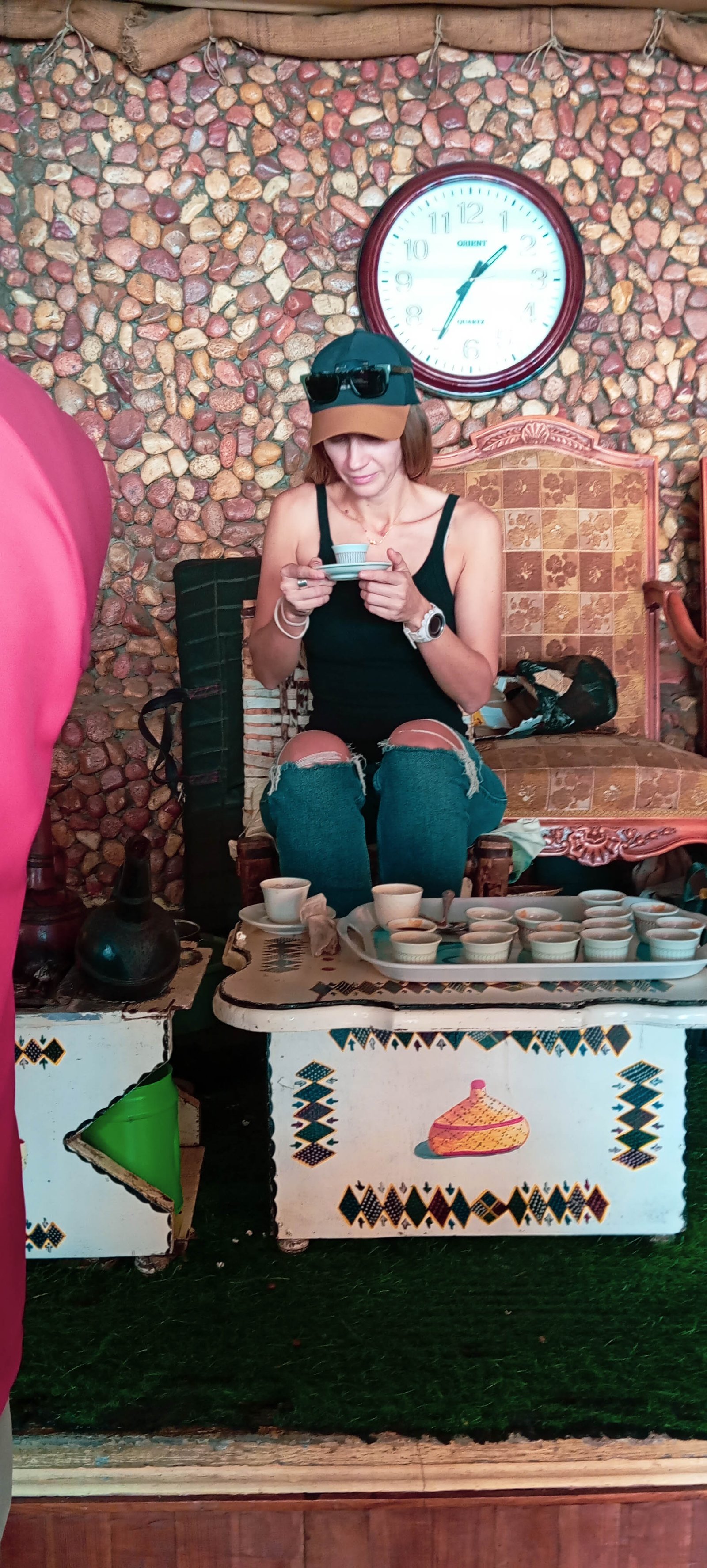
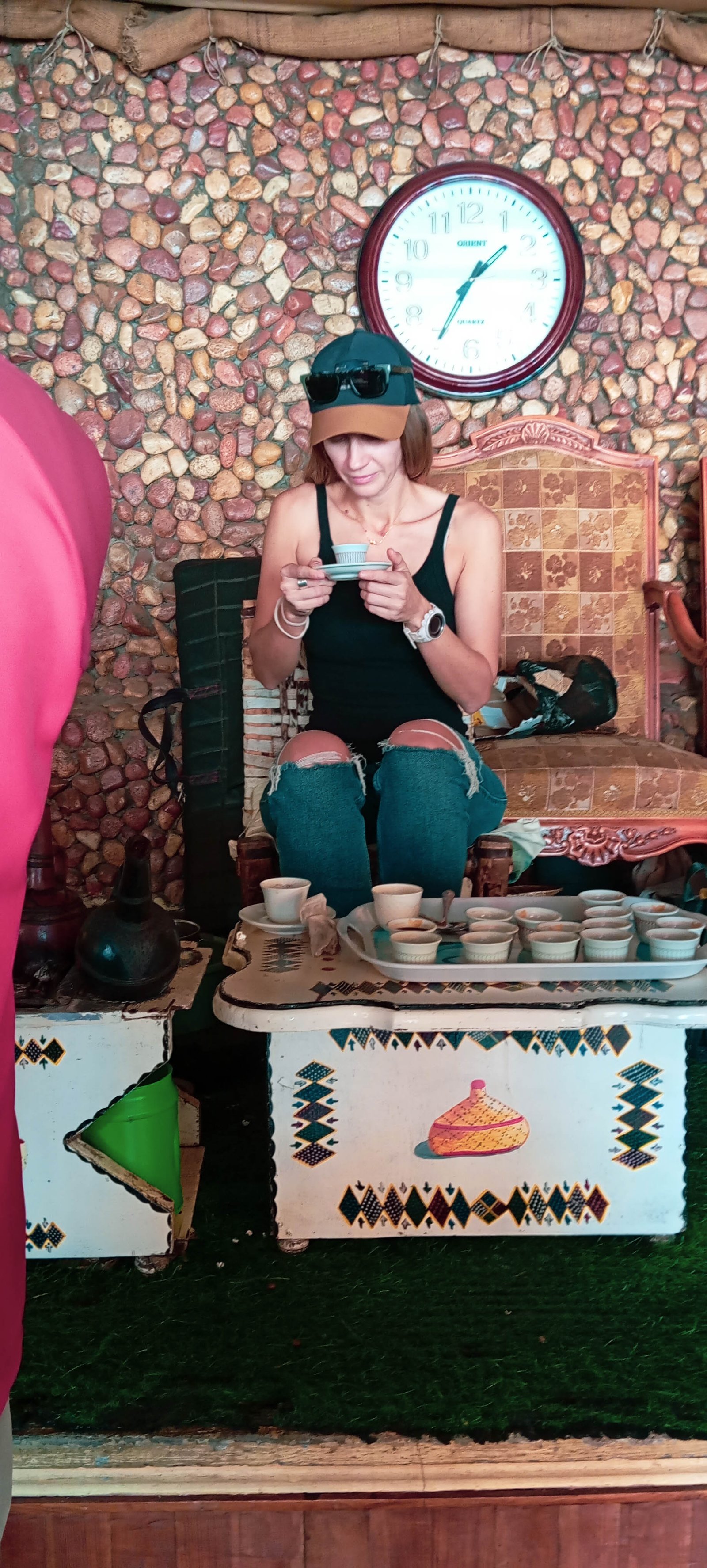
Coffee (Bun): The Eritrean Coffee Ceremony is a cultural highlight. It's an elaborate, hour-long ritual involving roasting green coffee beans, grinding them, brewing in a traditional clay pot (jebena), and serving in small cups (si'ini), often with popcorn as a snack.
Shahi: Plain tea, often served sweetened.
Suwa: A traditional homemade beer, typically brewed from fermented barley or sorghum.
Mies: A traditional honey wine or mead.
Traditional Drinks Cultural Ritual
The heart of Eritrean cuisine, berbere is a complex spice blend typically containing chili powder, fenugreek, ginger, garlic, cardamom, cinnamon, and other spices. Each family may have their own recipe passed down through generations. It gives Eritrean dishes their characteristic warmth, depth, and vibrant red color.
Signature Spice Family RecipesCommunal Dining: Meals are typically served on a large platter of injera with various stews arranged on top. Everyone eats from the same platter, using pieces of injera to scoop up the food.
Right Hand Only: Traditionally, food is eaten with the right hand only, as the left hand is considered unclean.
Feeding Others (Gursha): A sign of affection and respect is to feed someone else by placing food in their mouth. Accepting a gursha is considered polite and builds social bonds.
Coffee Ceremony: When invited to a coffee ceremony, it's customary to accept at least three cups (abol, tona, and baraka), as each has symbolic meaning.
From coffee ceremonies to traditional markets and ethnic diversity
Eritrea offers rich opportunities for cultural immersion, allowing visitors to experience traditional rituals, markets, and the diversity of its nine ethnic groups through respectful and meaningful interactions.
Participate in this must-experience cultural event. It's not just about the coffee; it's a social ritual of hospitality, conversation, and community that can last an hour or more. Many hotels and traditional restaurants will perform a ceremony for guests, complete with incense, popcorn, and traditional seating.
Asmara's Medeber Market: A fascinating place where artisans recycle scrap metal into everyday items, showcasing incredible resourcefulness and traditional craftsmanship.
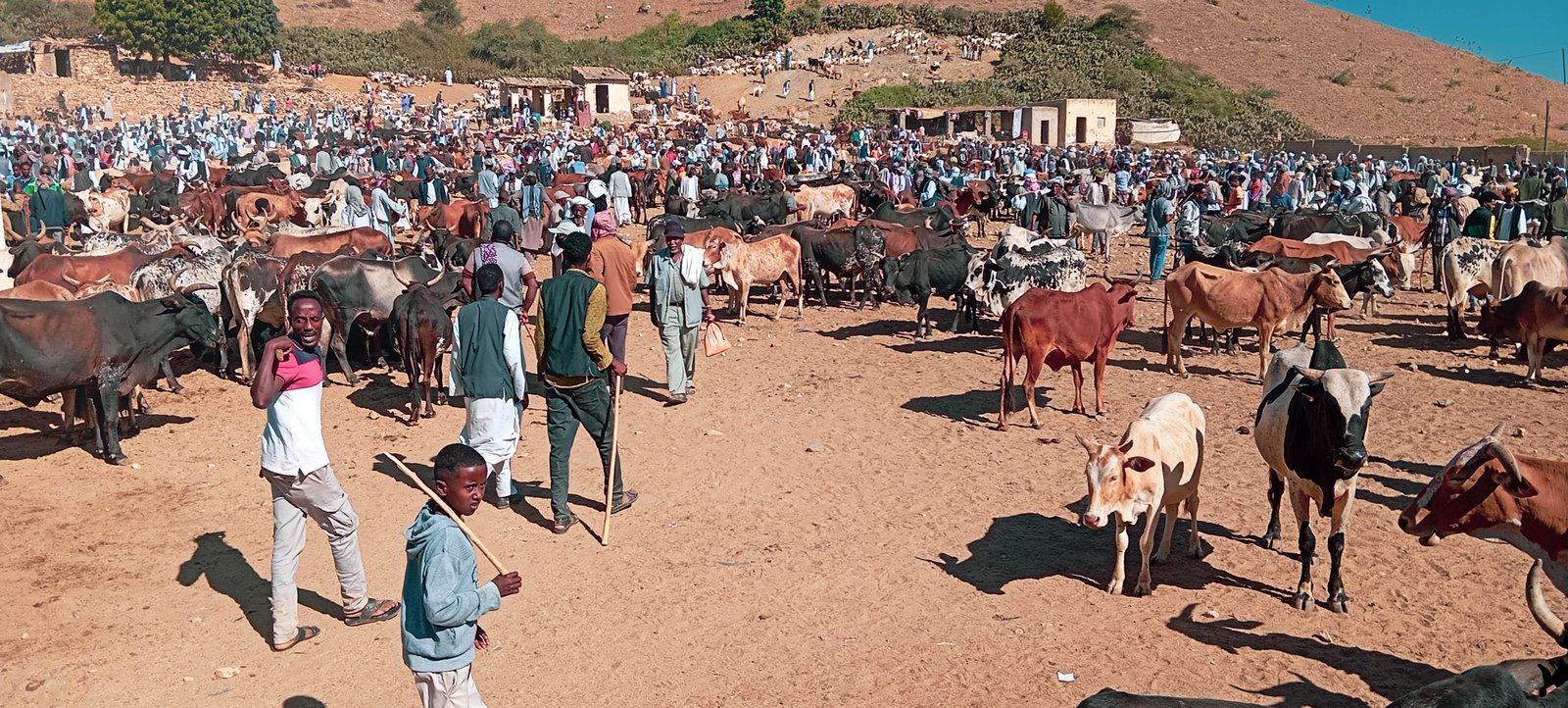
Keren's Monday Camel Market: A vibrant and traditional livestock market, especially for camels, offering a glimpse into the traditional rural economy and nomadic life.
Eritrea is home to nine officially recognized ethnic groups (Tigrinya, Tigre, Afar, Saho, Kunama, Nara, Bilen, Rashaida, and Hedareb), each with its own language, customs, music, dance, and traditional attire. Tours can sometimes be arranged to visit specific villages or areas to learn about their unique cultures, though this requires careful planning and local guidance.
Look for opportunities to experience traditional Eritrean music and dance performances, which are often energetic and colorful, reflecting the different ethnic groups' styles. The Tigrinya eskesta dance (shoulder dancing) is particularly famous. During festivals or special occasions, you may witness traditional performances.
Explore local shops for traditional handicrafts, including woven baskets (particularly from the Kunama people), pottery, leather goods, silver jewelry, and traditional textiles. Visiting artisan workshops provides insight into traditional techniques passed down through generations.
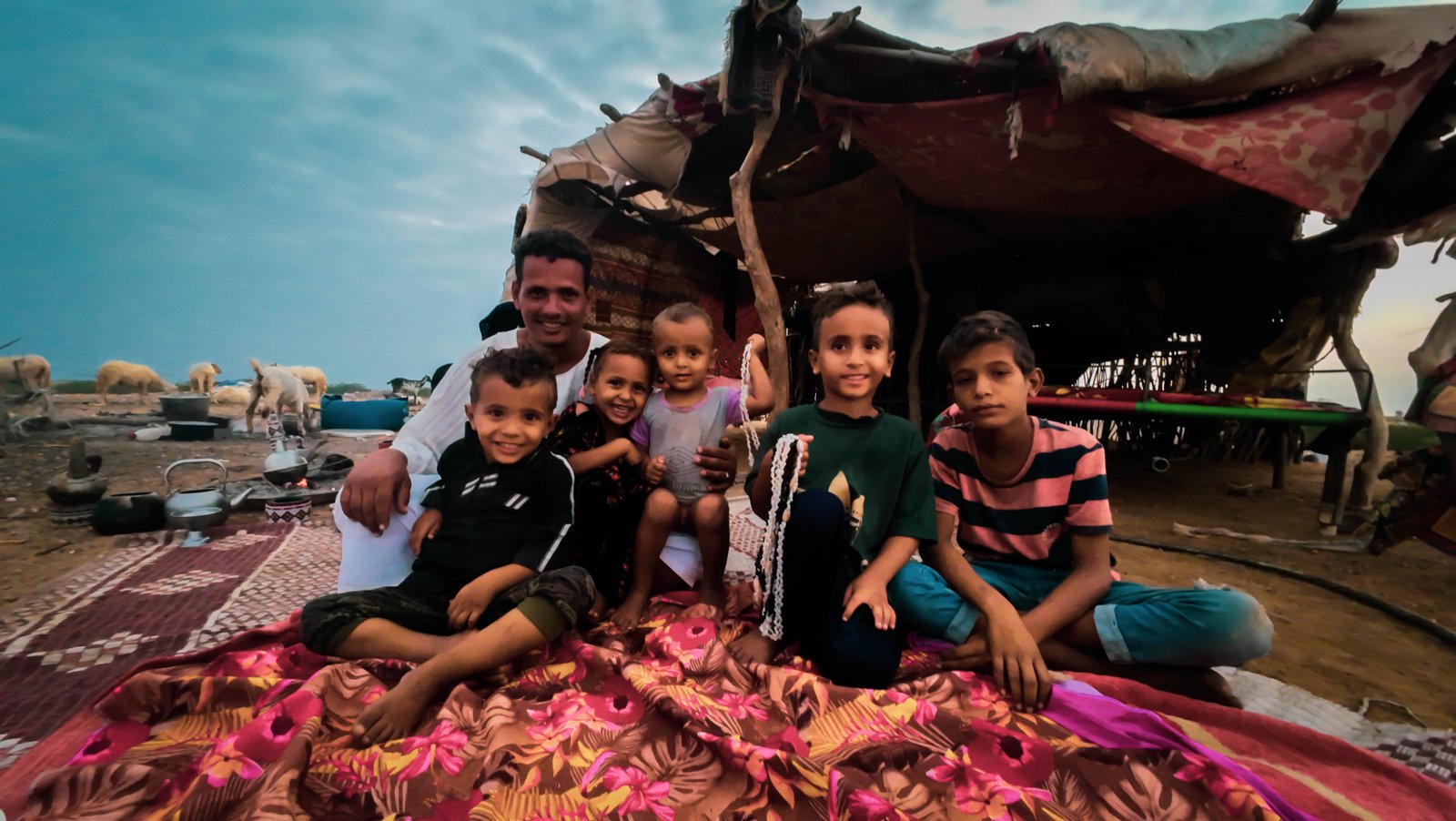
For deeper cultural immersion, some tours offer opportunities for village homestays, allowing you to experience daily life, participate in traditional activities, and build meaningful connections with local families. These experiences require sensitivity and respect for local customs.
Photography: Always ask permission before photographing people. Some communities may have restrictions or preferences regarding photography, especially of religious sites or ceremonies.
Dress Modestly: Especially when visiting religious sites or rural areas. Cover shoulders and knees as a sign of respect.
Respect Religious Practices: When visiting churches or mosques, follow local customs regarding dress, removal of shoes, and behavior.
Learn Basic Greetings: Learning a few words in Tigrinya or other local languages (like "Selam" for hello) is greatly appreciated.
Follow Local Guidance: Your guide will provide specific advice for each community you visit. Follow their lead regarding appropriate behavior and interactions.
Eritrea's unique balance of Christian and Muslim traditions
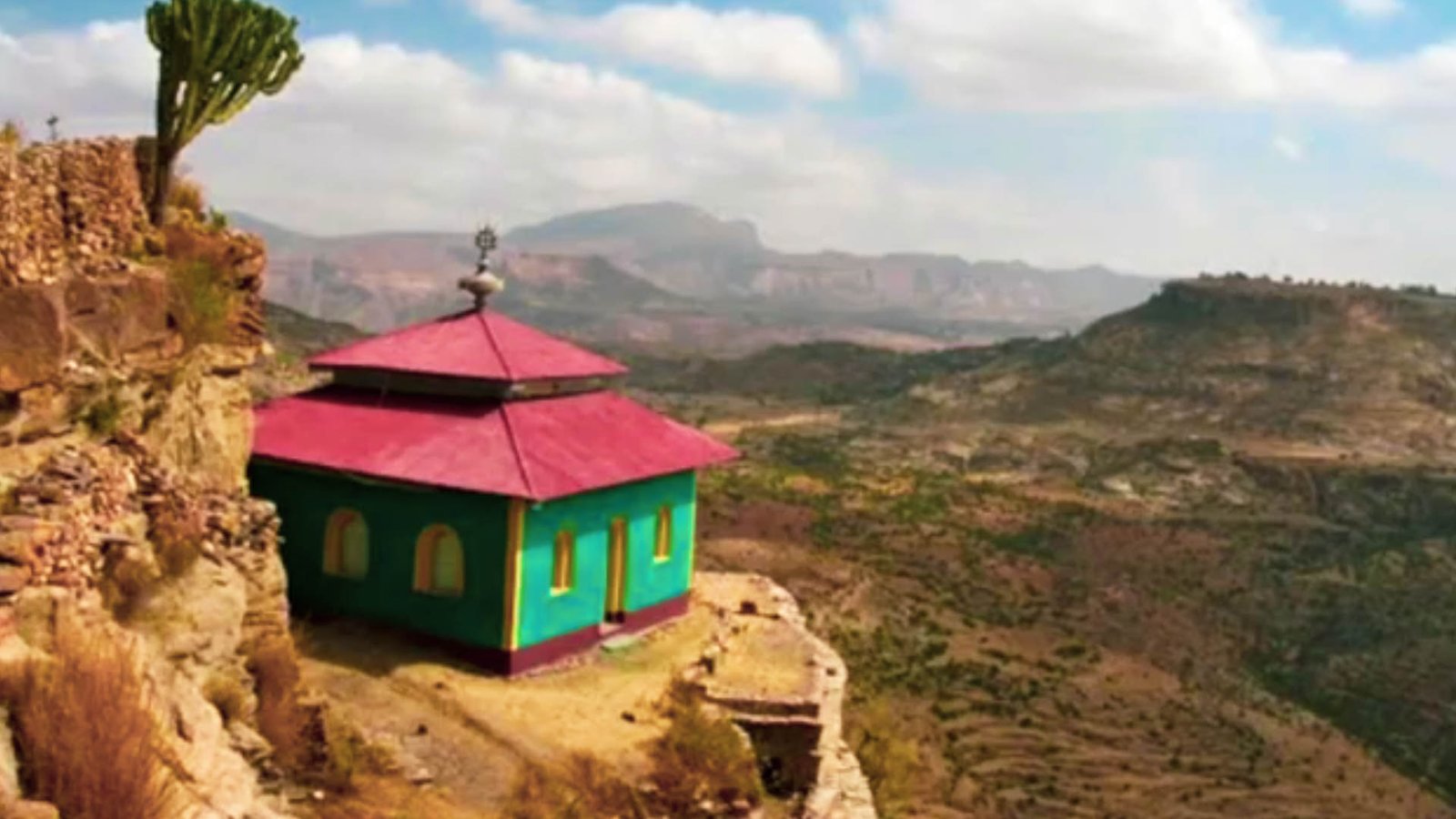
Eritrea has a unique balance of Christian (predominantly Orthodox Tewahedo) and Muslim populations, and religious sites are highly significant for both spiritual pilgrims and cultural visitors seeking to understand the country's religious heritage.

Location: Near Nefasit (accessible from Asmara)
Significance: This 15th-century Orthodox monastery is a major pilgrimage site, perched atop a mountain. It's accessible only by a challenging hike (traditionally, women are not allowed inside the monastery itself, but can visit the grounds). The pilgrimage offers spiritual reflection and incredible views.
Experience: The hike itself is part of the spiritual journey, with stunning views and a sense of accomplishment upon reaching the monastery.
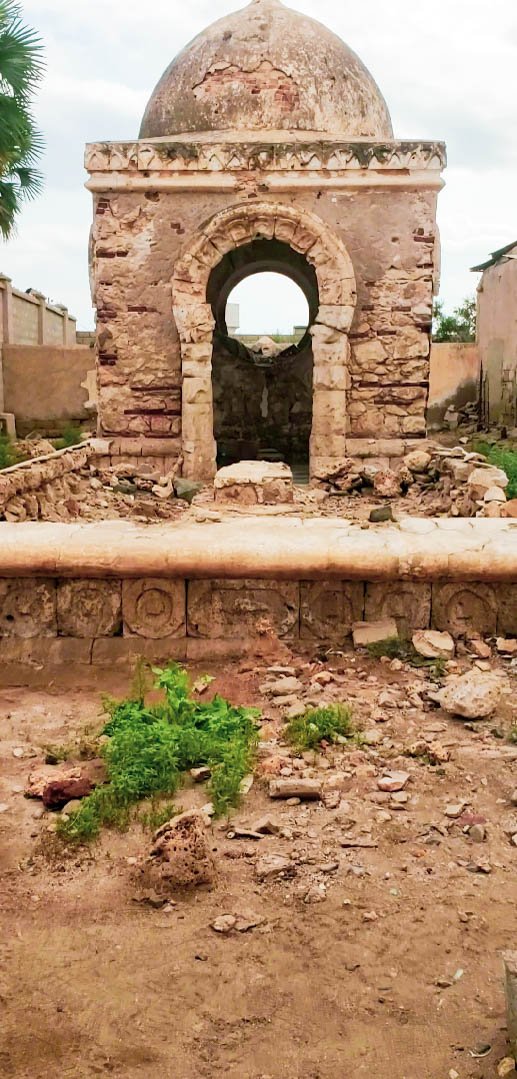
Location: Massawa
Significance: Believed to be one of the oldest mosques in Africa (7th century CE), it is a profound pilgrimage site for Muslims and a testament to the early spread of Islam. The mosque represents the deep historical roots of Islam in the Horn of Africa.
Experience: Visitors can appreciate the simple, ancient architecture and feel the weight of centuries of prayer in this sacred space.
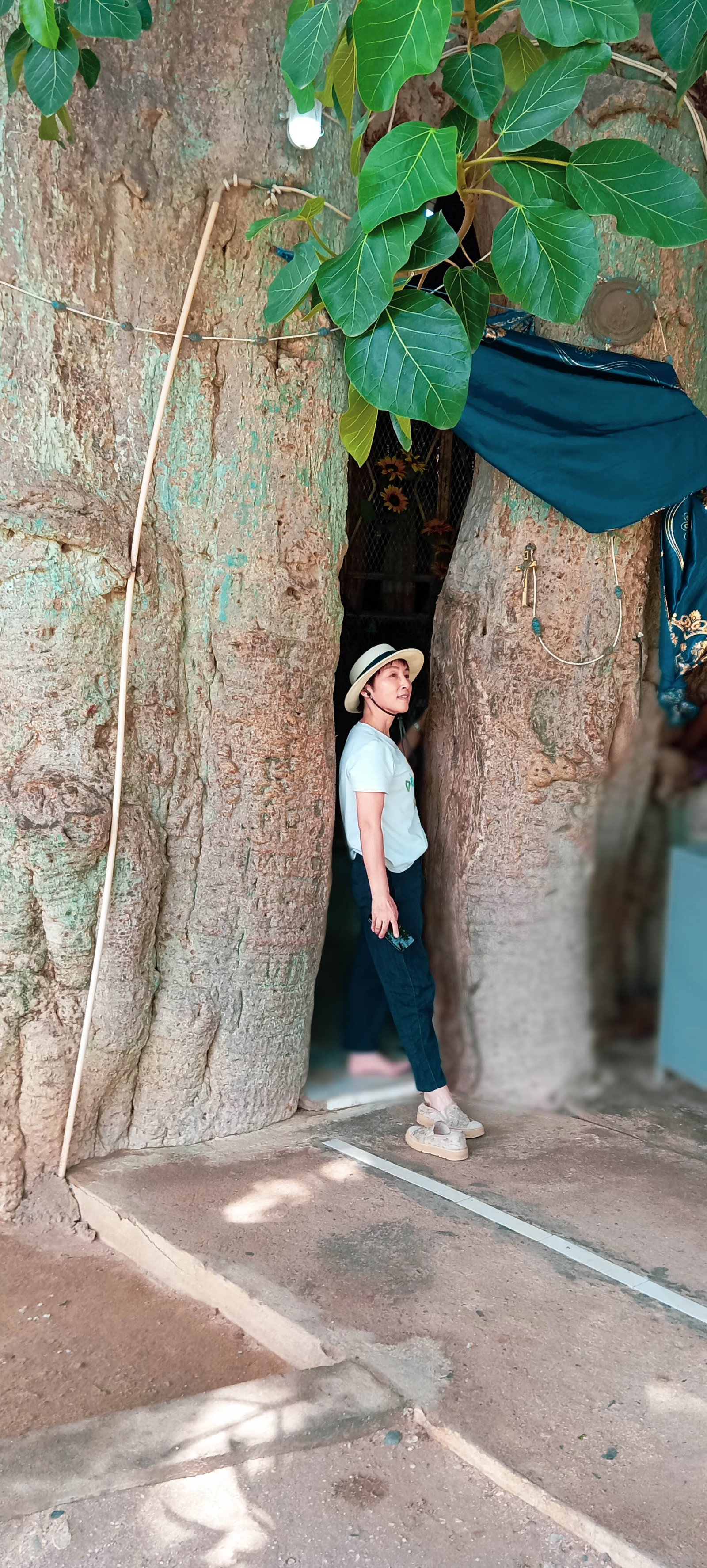
Location: Keren
Significance: A unique Christian chapel built inside a massive baobab tree, offering a blend of natural wonder and religious devotion. An important pilgrimage site that attracts both Christians and Muslims, showcasing Eritrea's interfaith harmony.
Experience: The natural setting combined with religious devotion creates a truly unique spiritual atmosphere. The shrine is particularly busy during religious festivals.

Cathedral of Our Lady of the Rosary: A prominent Catholic landmark and active place of worship with beautiful architecture.
Enda Mariam Orthodox Cathedral: The main Ethiopian Orthodox Tewahedo church in Asmara, a significant religious center with traditional Orthodox architecture.
Grand Mosque (Khulafa al-Rashidun Mosque): A beautiful and important mosque for the Muslim community, showcasing Islamic architecture.

Qohaito: While primarily an archaeological site, Qohaito's ancient temples and ruins, such as Mariam Wakiro, hold deep historical and perhaps spiritual significance, reflecting early religious practices in the region.
Adulis: Another archaeological site with a long history of human settlement, including early Christian and Islamic influences, showing the historical layers of religious practice.
Dress Code: Modest dress is required for all religious sites. Cover shoulders and knees. Women may need to cover their hair in some mosques (scarves are often available at the entrance).
Shoes: Remove shoes before entering mosques and some Orthodox churches.
Photography: Always ask permission before taking photos inside religious buildings or of people praying. Some sites may prohibit photography altogether.Silence & Respect: Maintain a quiet, respectful demeanor. Avoid disturbing worshipers.
Women at Debre Bizen: Traditionally, women are not permitted inside Debre Bizen Monastery itself but can visit the grounds and enjoy the hike. This rule is strictly enforced.
Timing: Avoid visiting during prayer times, especially in mosques. Friday midday prayers are particularly busy.
Experience the country's cultural diversity through its festivals and celebrations
Attending a festival is the best way to experience Eritrea's vibrant culture and deep-rooted traditions. Dates for religious festivals follow the Eritrean Orthodox Tewahedo calendar or Islamic lunar calendar, so they vary each year relative to the Gregorian calendar.
When: August (Asmara Expo grounds)
The largest cultural event celebrating national unity and diversity of all nine ethnic groups with exhibitions, performances, and traditional displays.
When: May 24 (Nationwide)
Celebrating Eritrea's independence from Ethiopia in 1991 with parades, cultural shows, speeches, and patriotic events across the country.
When: June 20 (Nationwide)
A solemn day of remembrance for those who lost their lives during Eritrea's 30-year War of Independence, with ceremonies and vigils.
When: February 10 (Massawa)
Commemorates "Operation Fenkil," the pivotal 1990 battle that liberated Massawa, with pilgrimages and cultural displays.
When: January 7
Celebrated with church services, family gatherings, and traditional feasts after a long fasting period. Midnight masses and processions are common.
When: January 19
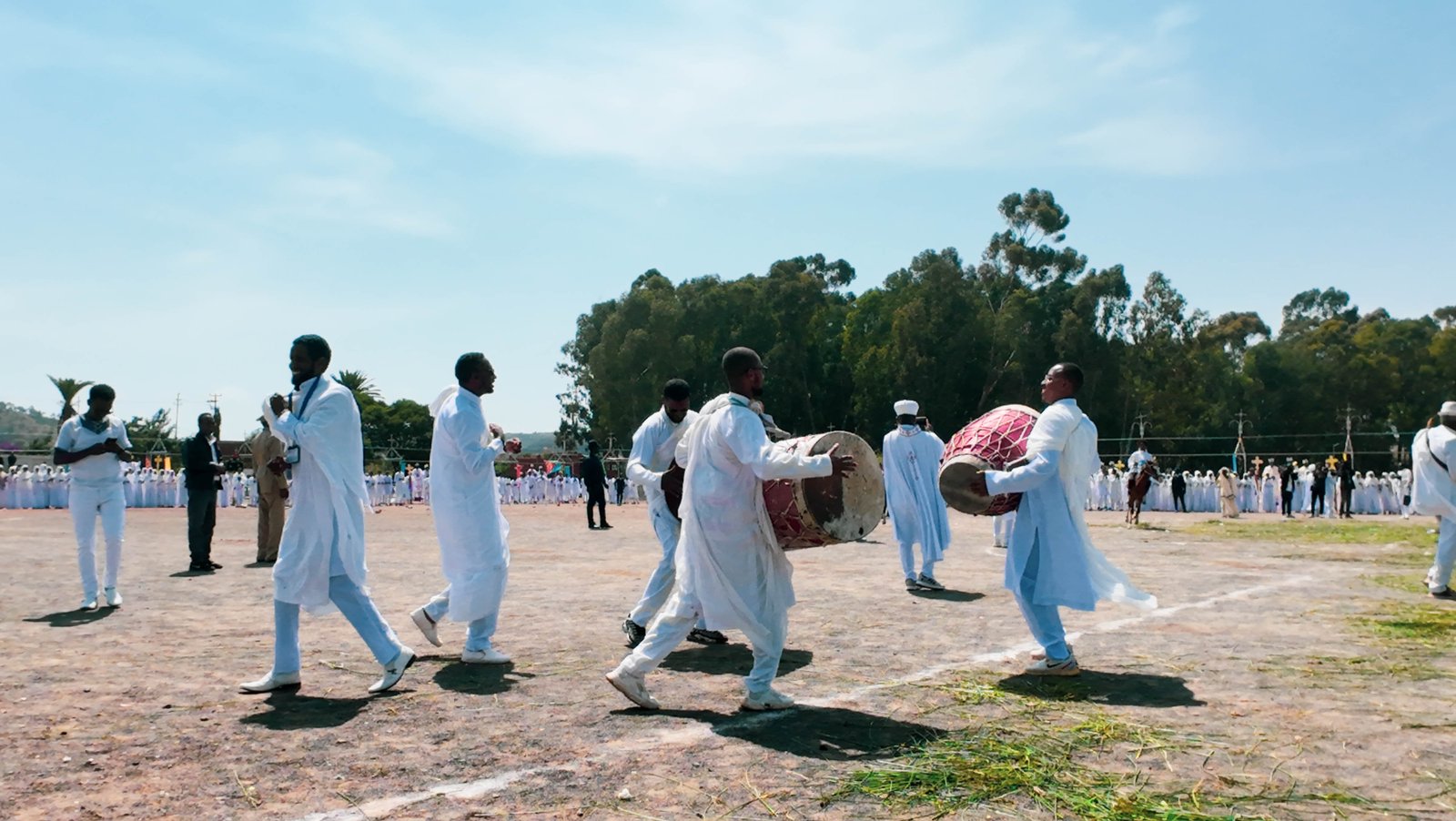
Celebrates the baptism of Jesus with colorful processions where priests carry replicas of the Ark of the Covenant (tabots) to water for blessings.
When: Variable (April/May)
The most important religious holiday, celebrated after a 55-day Lenten fast with midnight church services, joyous celebrations, and feasts.
When: September 27
Commemorates the discovery of the True Cross with large bonfires (Demera) in public squares, symbolizing the smoke guiding Queen Eleni to the cross.
When: Variable (End of Ramadan)
Marks the end of the holy month of Ramadan (fasting) with communal prayers, festive meals, giving to charity, and wearing new clothes.
When: Variable
Commemorates Prophet Ibrahim's willingness to sacrifice his son with special prayers, animal sacrifices, and sharing meat with family and needy.
When: Variable
Celebrates the birth of Prophet Muhammad with prayers, gatherings, recitations of poetry about the Prophet's life, and charitable acts.
When: Variable
Marks the beginning of the new Islamic year with prayers and reflection. A more solemn observance compared to other festivals.
Plan Ahead: Accommodation fills quickly during major festivals, especially Festival Eritrea in August. Book well in advance.
Respectful Observation: While visitors are generally welcome at public festival events, maintain respectful distance during religious ceremonies unless specifically invited to participate.
Photography: Ask permission before photographing people at festivals. Some religious ceremonies may restrict photography.
Dress Appropriately: Festival Eritrea is colorful and casual, but religious festivals require modest dress.
Try Festival Foods: Special foods are prepared for different festivals. Don't miss the opportunity to try traditional festival dishes.
Local Guides: Having a local guide during festivals helps navigate crowds and understand the significance of different rituals and customs.
Curated experiences for cultural immersion and spiritual exploration
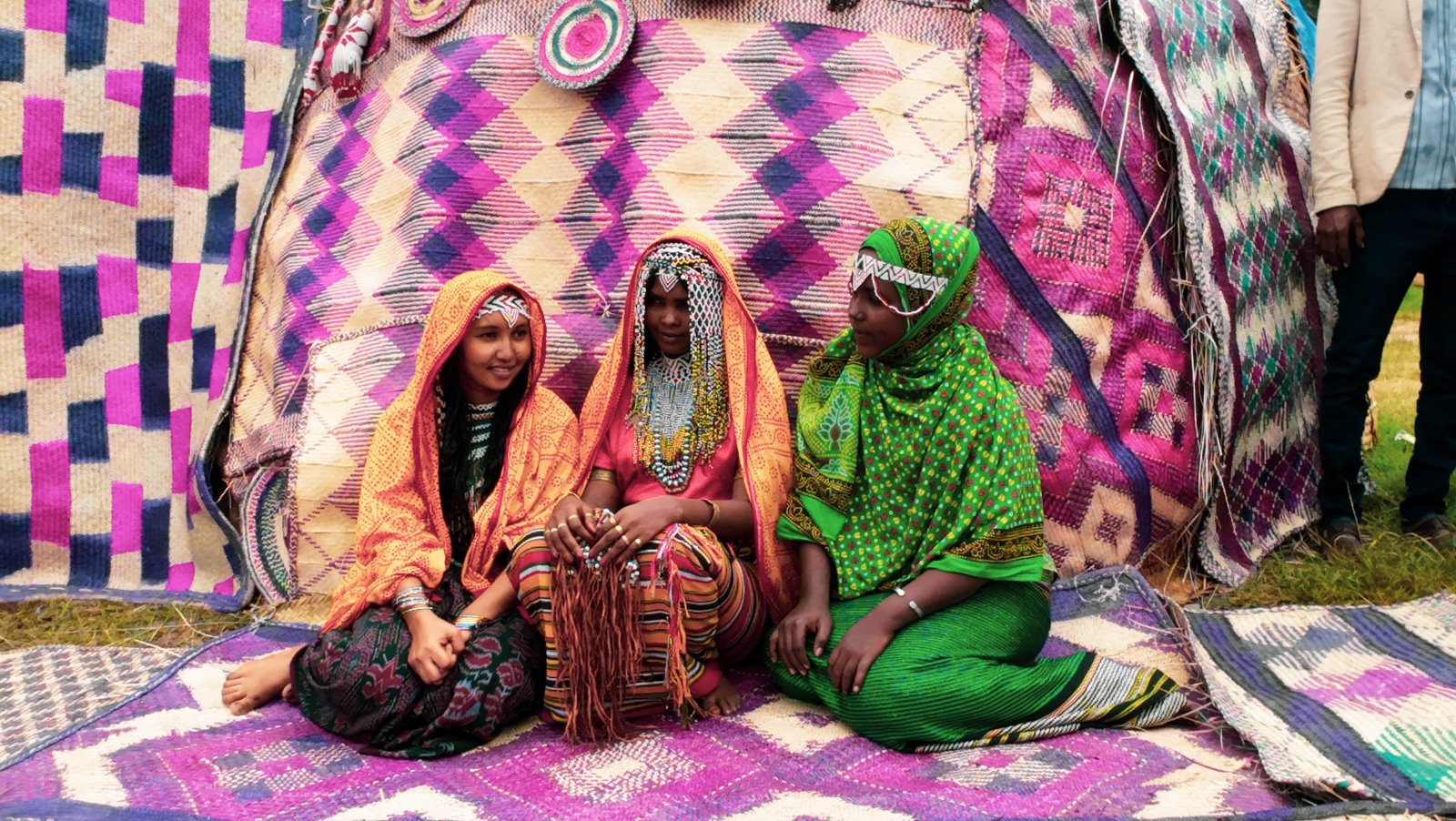
Deep dive into Eritrean culture through food, traditional markets, artisan visits, and ethnic community interactions with cultural expert guide.
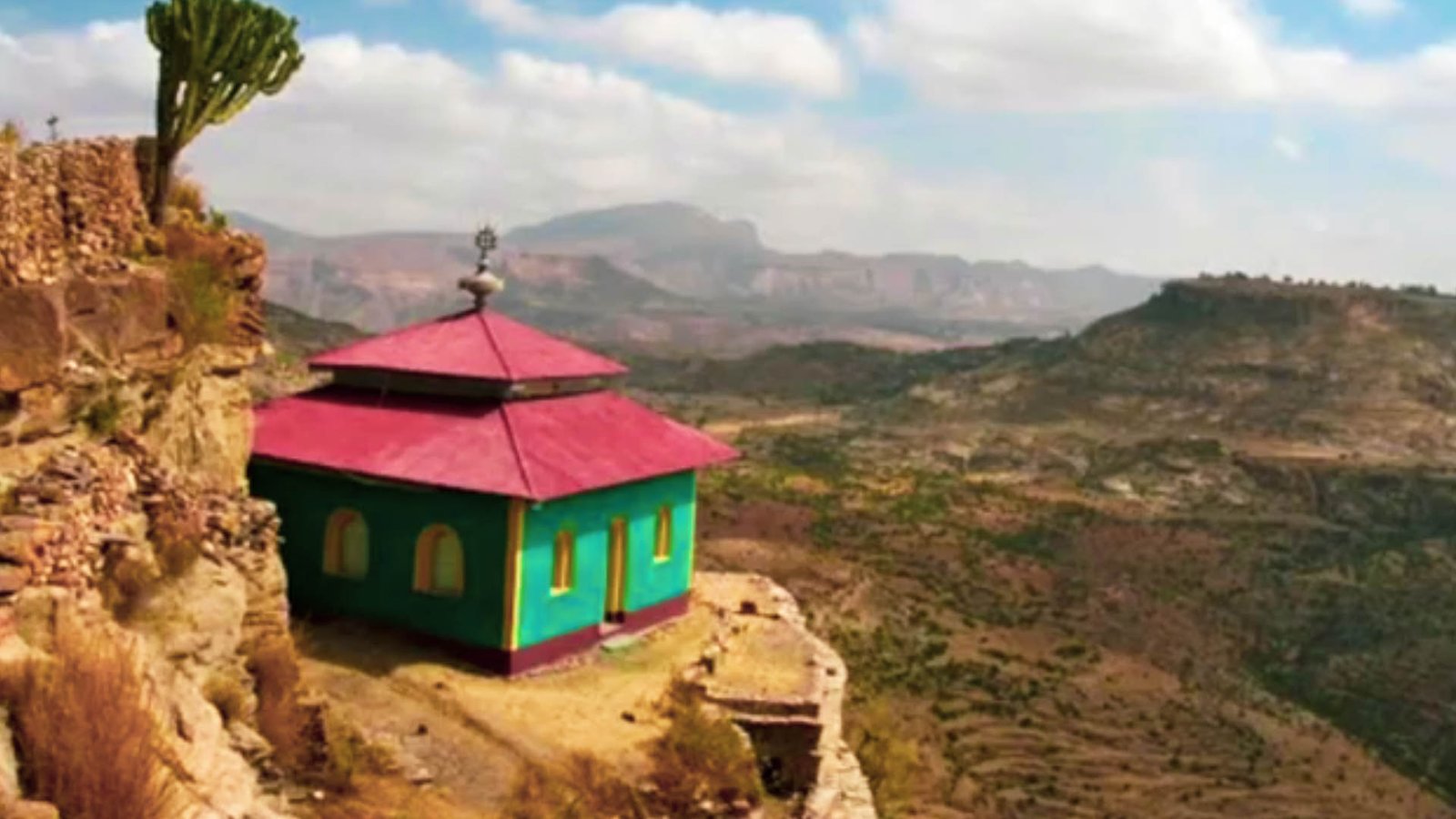
Comprehensive pilgrimage experience visiting major Christian and Muslim holy sites with focus on spiritual significance and interfaith understanding.
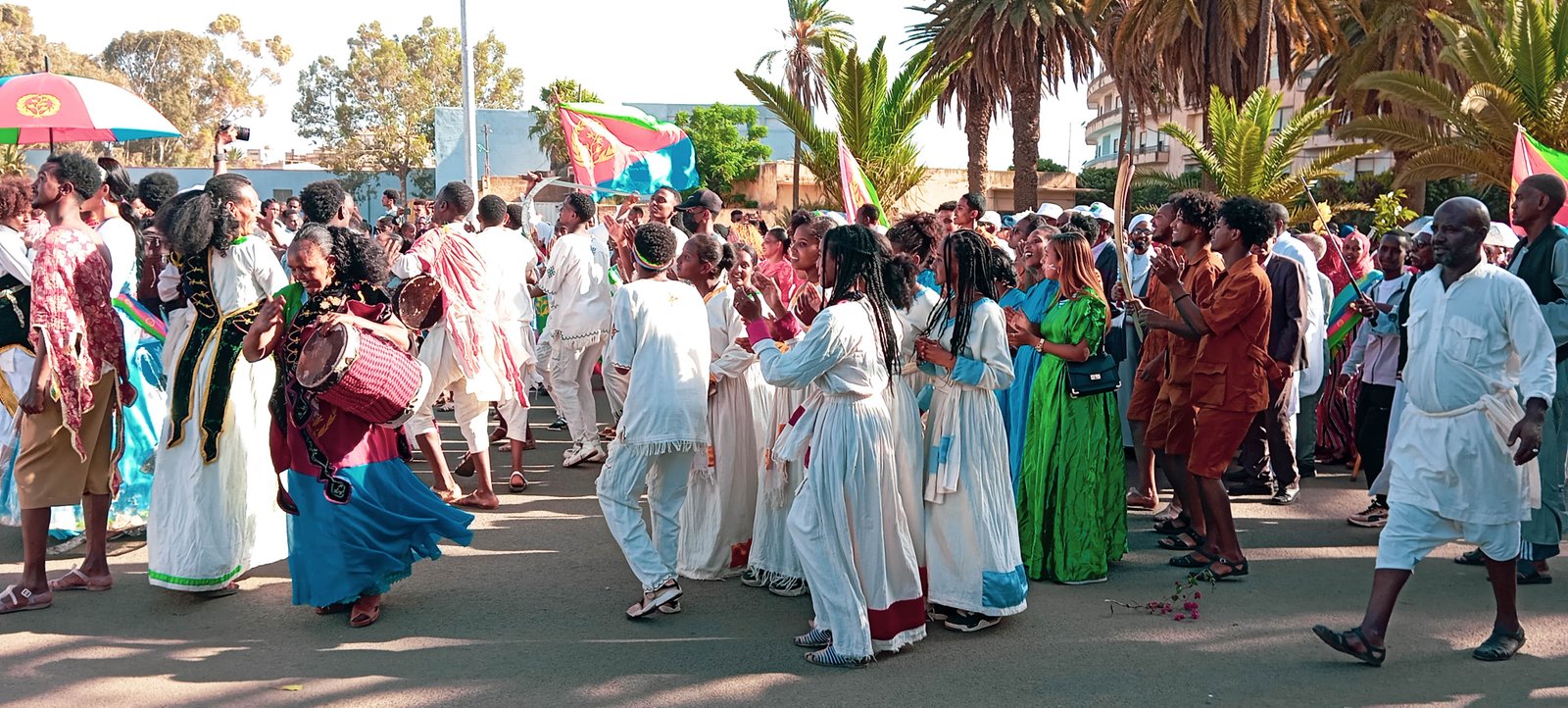
Immersive experience during Eritrea's largest cultural festival with guided access to performances, exhibitions, and ethnic group showcases.
Essential information for respectful cultural engagement in Eritrea
Greetings: Handshakes are common. Use right hand only. A light touch of right hand to heart after shaking shows respect.
Names: Eritreans typically use first names. Titles (Mr., Mrs.) with first names show respect.
Eye Contact: Moderate eye contact is respectful. Staring is considered rude.
Personal Space: Standing closer than Western norms is common and not intrusive.
Right Hand Only: Eat with right hand only (left is considered unclean).
Gursha: Accept if offered food directly to your mouth—it's a sign of friendship.
Sharing: Food is communal. Take only what's directly in front of you unless invited to more.
Coffee Ceremony: Accept at least three cups when invited. The third cup (baraka) brings a blessing.
Dress Modestly: Cover shoulders and knees at religious sites. Women cover hair in mosques.
Shoes: Remove before entering religious buildings.
Behavior: Quiet, respectful demeanor. Don't interrupt prayers.
Photography: Always ask permission. Some sites prohibit photography entirely.
Public Behavior: Public displays of affection are frowned upon. Holding hands is generally acceptable for married couples.
Photography of People: Always ask permission. Some people, especially in rural areas, may believe photography captures part of their soul or may simply prefer privacy.
Political Discussions: Avoid political discussions unless initiated by your Eritrean companions. Listen more than speak on such topics.
Gift Giving: Small gifts are appreciated but not expected. If invited to a home, bringing sweets, fruit, or flowers is appropriate.
Patience: Things may not happen on Western schedules. "Africa time" is real—be patient and flexible.
Language: Learning a few words of Tigrinya (hello = "Selam", thank you = "Yekenyeley") is greatly appreciated and shows respect for the culture.
Planning your visit around festivals and optimal seasons
Cultural and pilgrim tours can be enjoyed year-round, but timing your visit around specific festivals or seasons can enhance your experience significantly.
Festival Season (August): Festival Eritrea in August is the peak cultural experience but requires advance booking for accommodations.
Religious Festivals (Variable): January for Orthodox Christmas and Epiphany, spring for Easter, September for Meskel. Islamic festivals follow lunar calendar.
Weather Considerations: October-March offers comfortable temperatures for outdoor activities and site visits. April-June is warmer but still good for cultural tours.
Pilgrimage Considerations: Some pilgrimage sites (like Debre Bizen) are best visited in cooler months (October-March) due to the physical hiking required.
Book Early: For Festival Eritrea (August), book accommodations 3-6 months in advance.
Religious Festivals: Accommodation may be busy in cities during major religious festivals. Plan accordingly.
Local Guides: Essential during festivals to navigate crowds and understand rituals.
Flexibility: Festival dates (especially Islamic ones) may shift slightly based on moon sightings.
Visual journey through Eritrea's rich cultural traditions and spiritual heritage
Eritrea's cultural and pilgrim tours offer profound journeys into the heart of the nation's traditions, spirituality, and daily life. Whether you're participating in a coffee ceremony, visiting ancient pilgrimage sites, or celebrating at Festival Eritrea, you'll gain deep insights into what makes this country truly unique. Our culturally-sensitive tours ensure respectful engagement and authentic experiences.