
Discover Eritrea's Unique Urban Treasures - From Modernist Architecture to Historic Port Cities
Explore CitiesEritrea's cities offer a fascinating journey through time, showcasing unique architectural styles, rich cultural heritage, and diverse geographical landscapes. Each city tells a different story of Eritrea's complex history and vibrant present.
Capital and largest city of Eritrea, situated at 2,325 meters elevation
Asmara is the capital and most populous city of Eritrea, situated in the Central Region. It sits at an elevation of 2,325 meters (7,628 feet), making it one of the highest capital cities in the world. This altitude contributes to its relatively mild climate compared to the coastal areas.
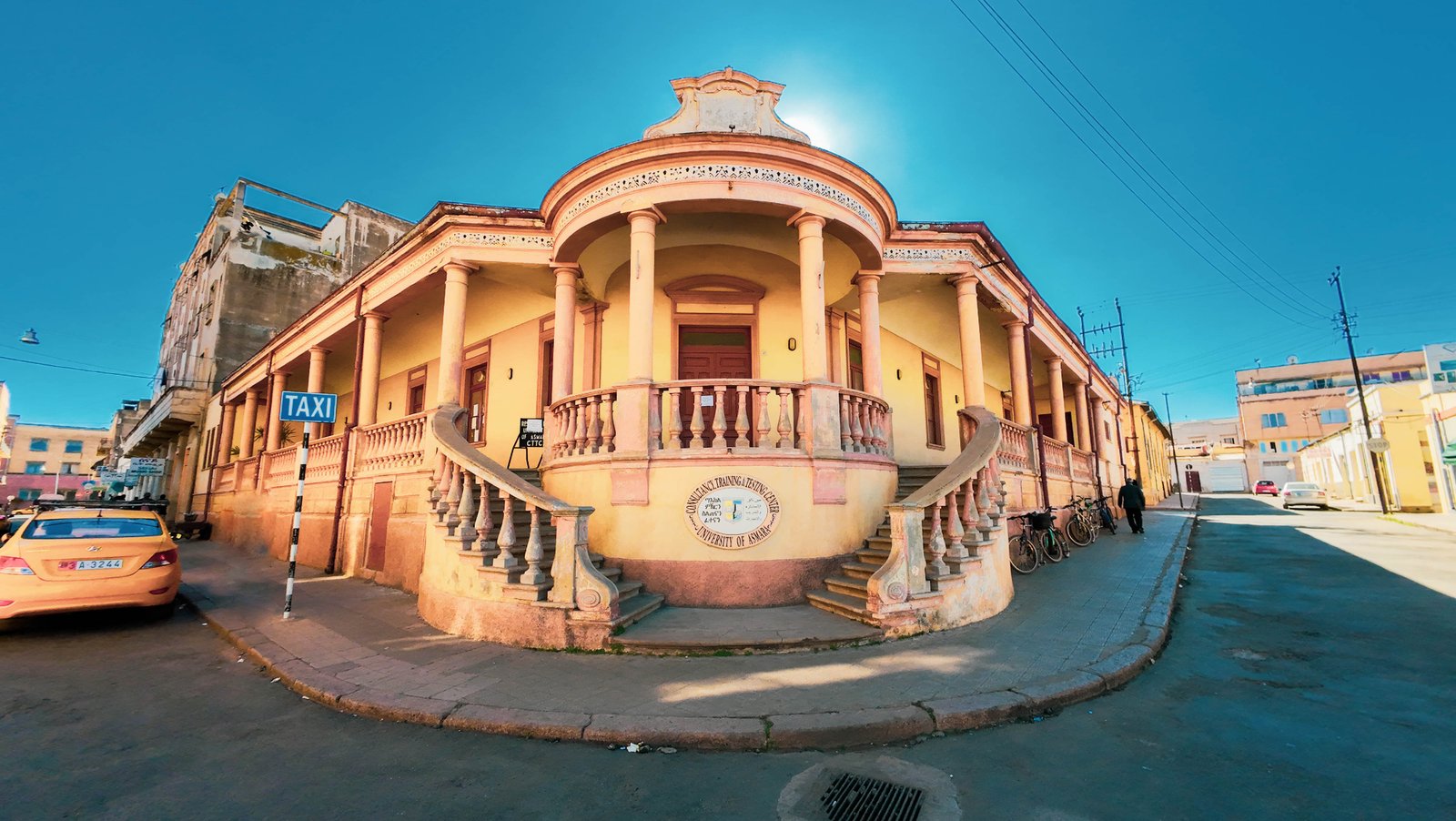
Asmara is renowned for its exceptional early modernist urbanism and architecture, primarily developed during the Italian colonial period from the 1890s to 1941. The city's grid-based urban plan and numerous buildings designed in modernist and rationalist styles earned it UNESCO World Heritage status in 2017.
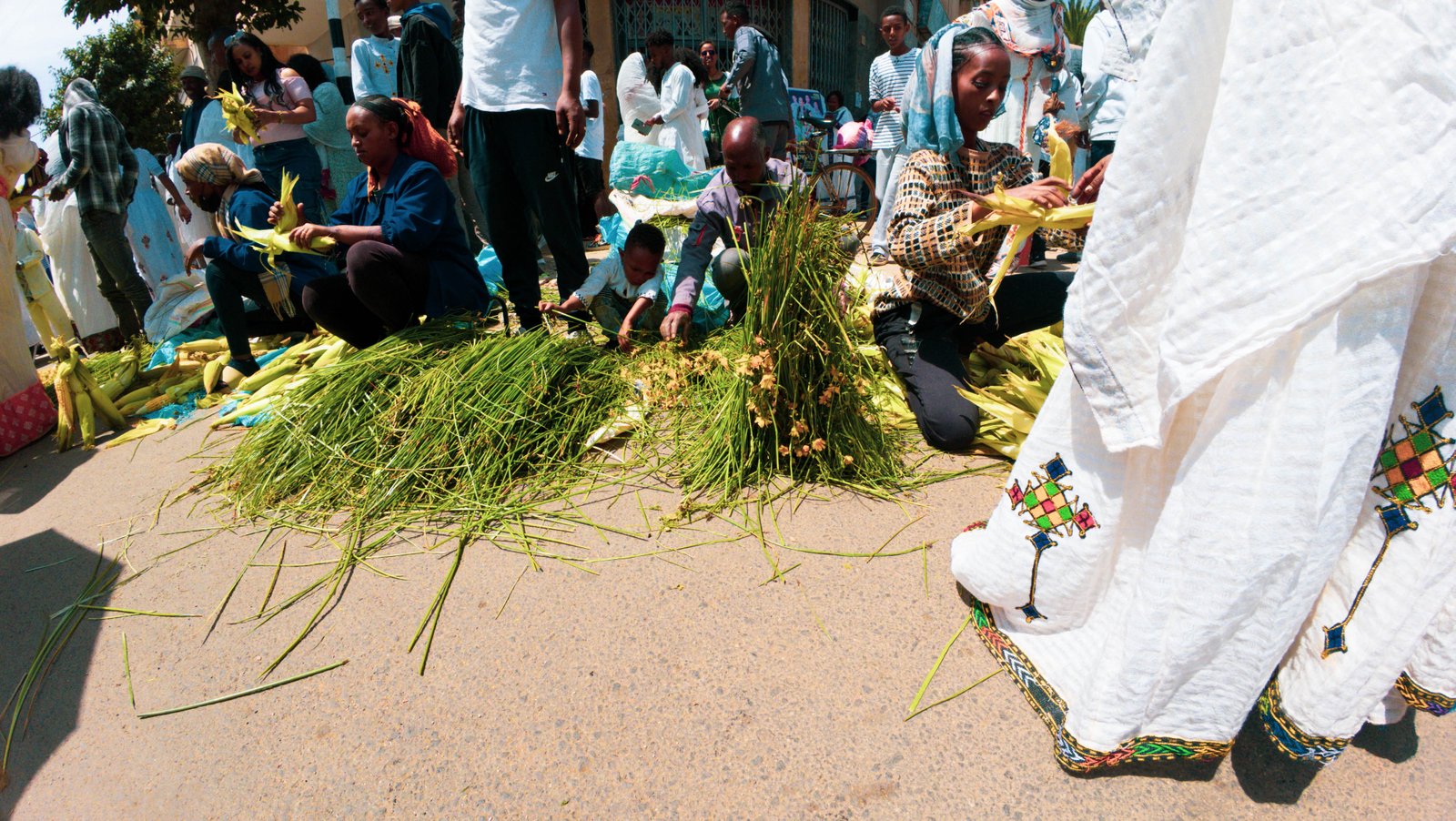
The city reflects a unique blend of Italian, Middle Eastern, and African cultural elements in its cuisine, language, and religious practices. This cultural fusion makes Asmara a truly unique destination in Africa.
Discover the iconic modernist buildings that define Asmara's unique character
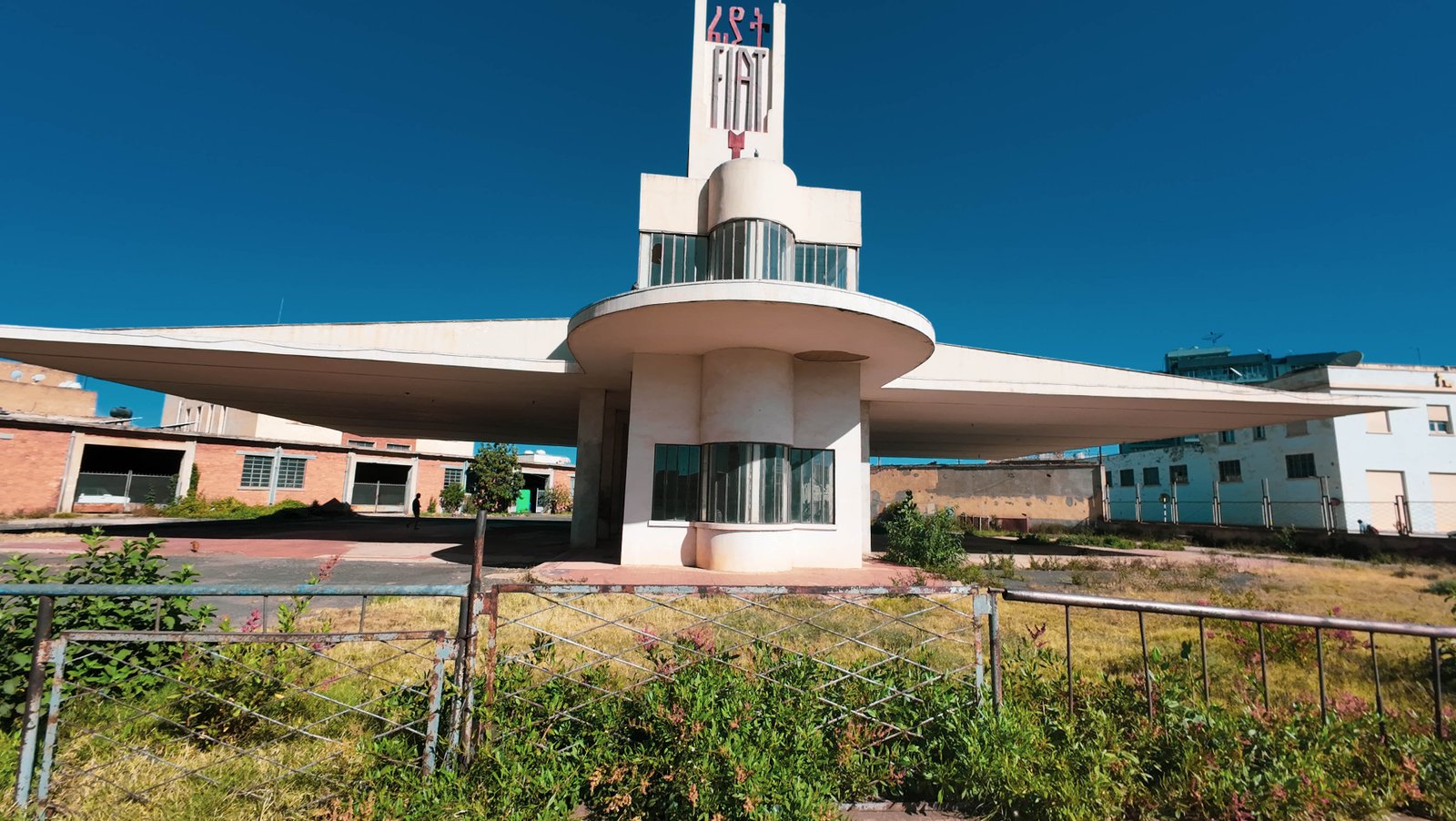
Iconic futurist-style service station built in 1938, featuring dramatic cantilevered concrete wings resembling an airplane.
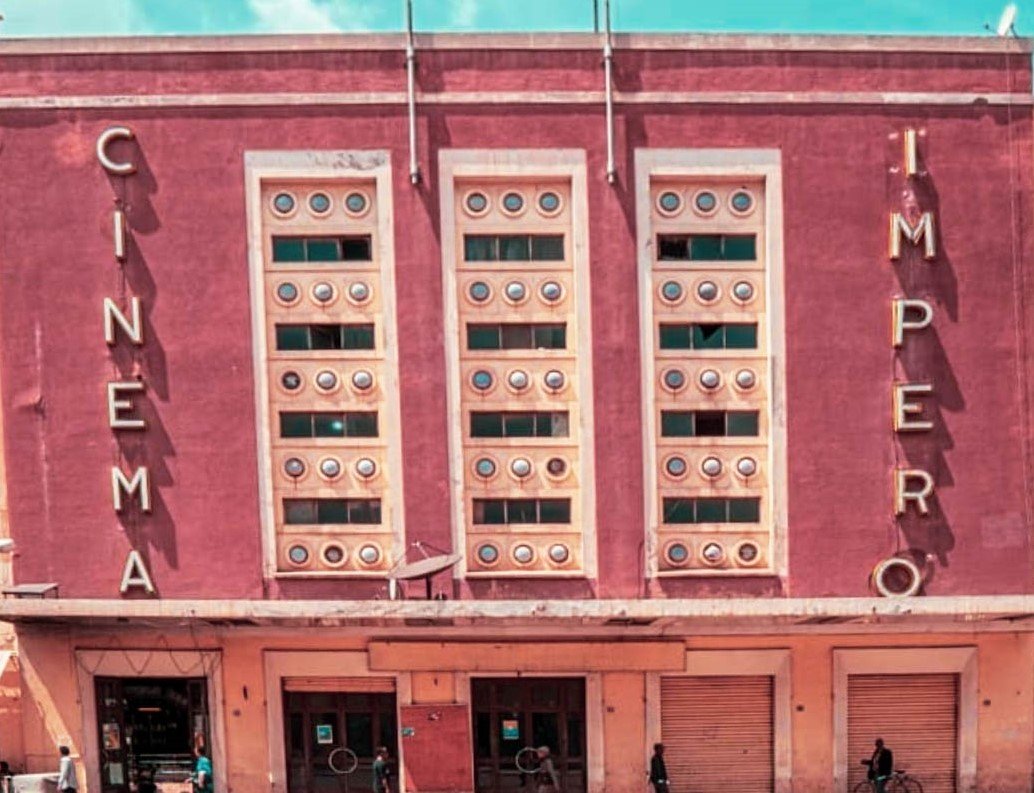
Art Deco cinema built in 1937, one of the finest examples of modernist architecture in Africa, still operational today.
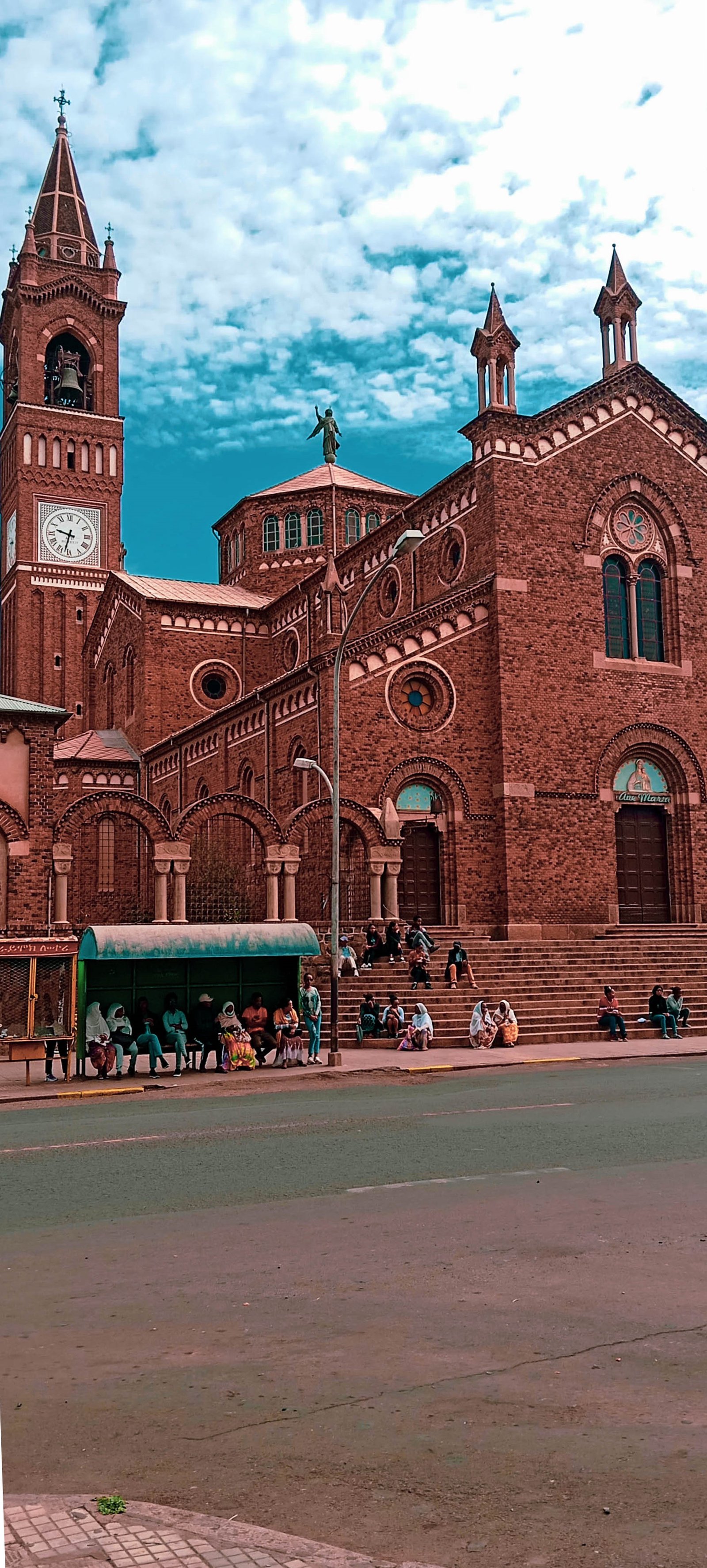
Lombard Romanesque style cathedral with a distinctive bell tower, completed in 1922 and dominating Asmara's skyline.
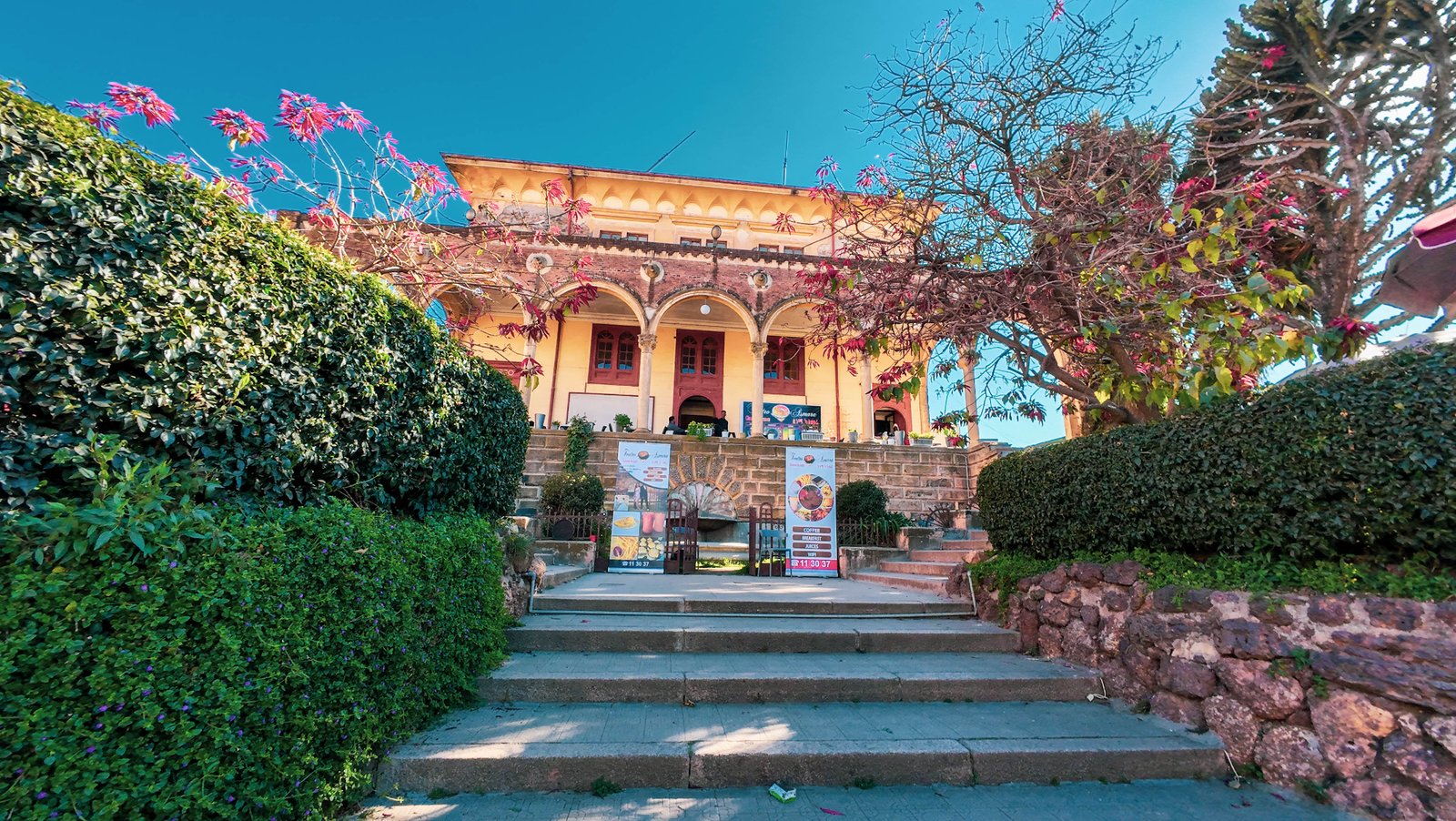
Beautiful example of Italian Rationalist architecture, serving as a cultural centerpiece since its construction in the 1920s.
Asmara is a vital center for the country's political, socio-economic, and cultural development. It's a busy agricultural marketplace and a major hide-tanning center. The city serves as a major road junction and has an international airport. It's also connected to the port city of Massawa by road.
Explore Asmara's architectural wonders with our guided tours
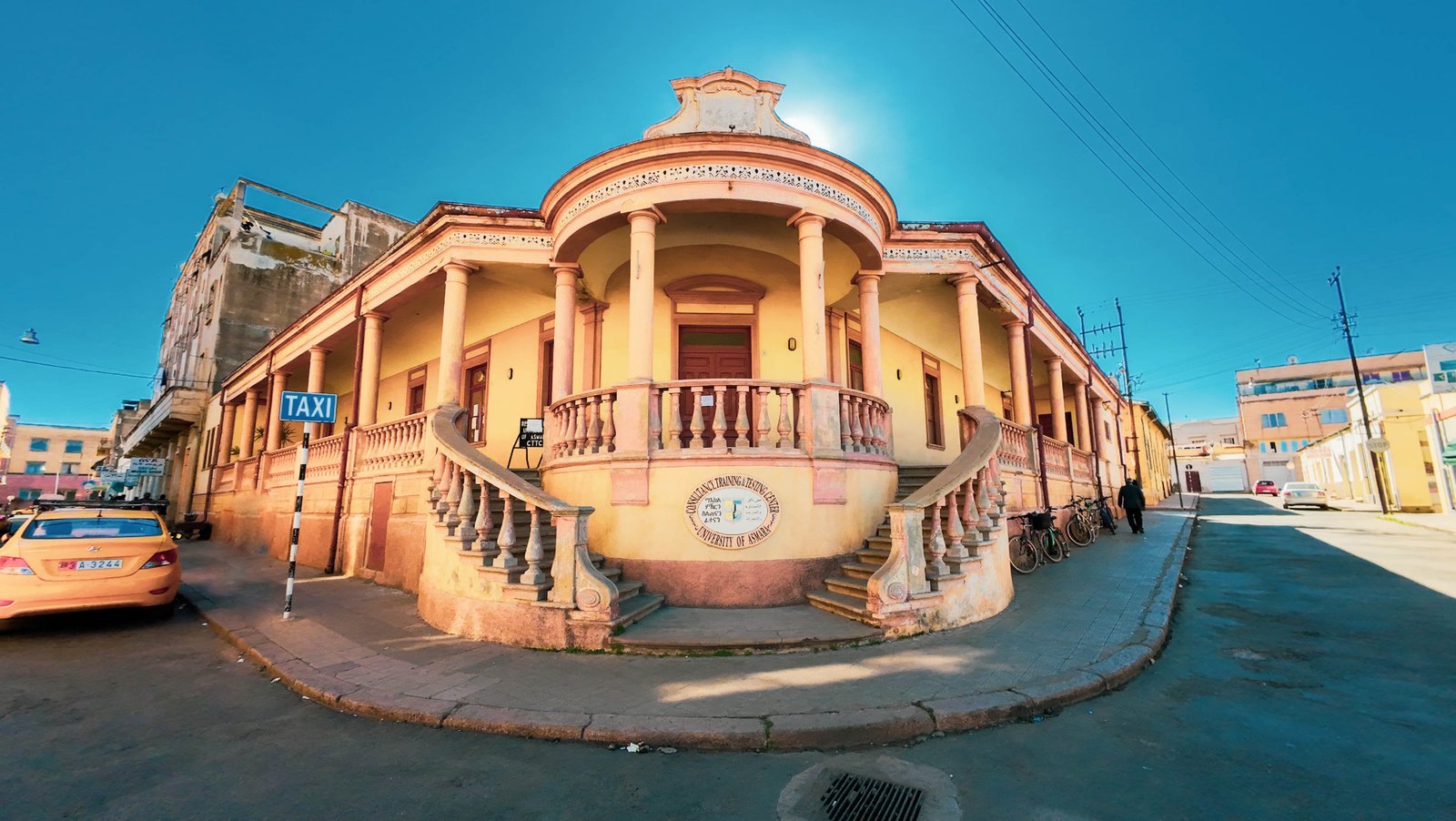
Comprehensive guided tour of Asmara's UNESCO World Heritage modernist buildings and urban planning.
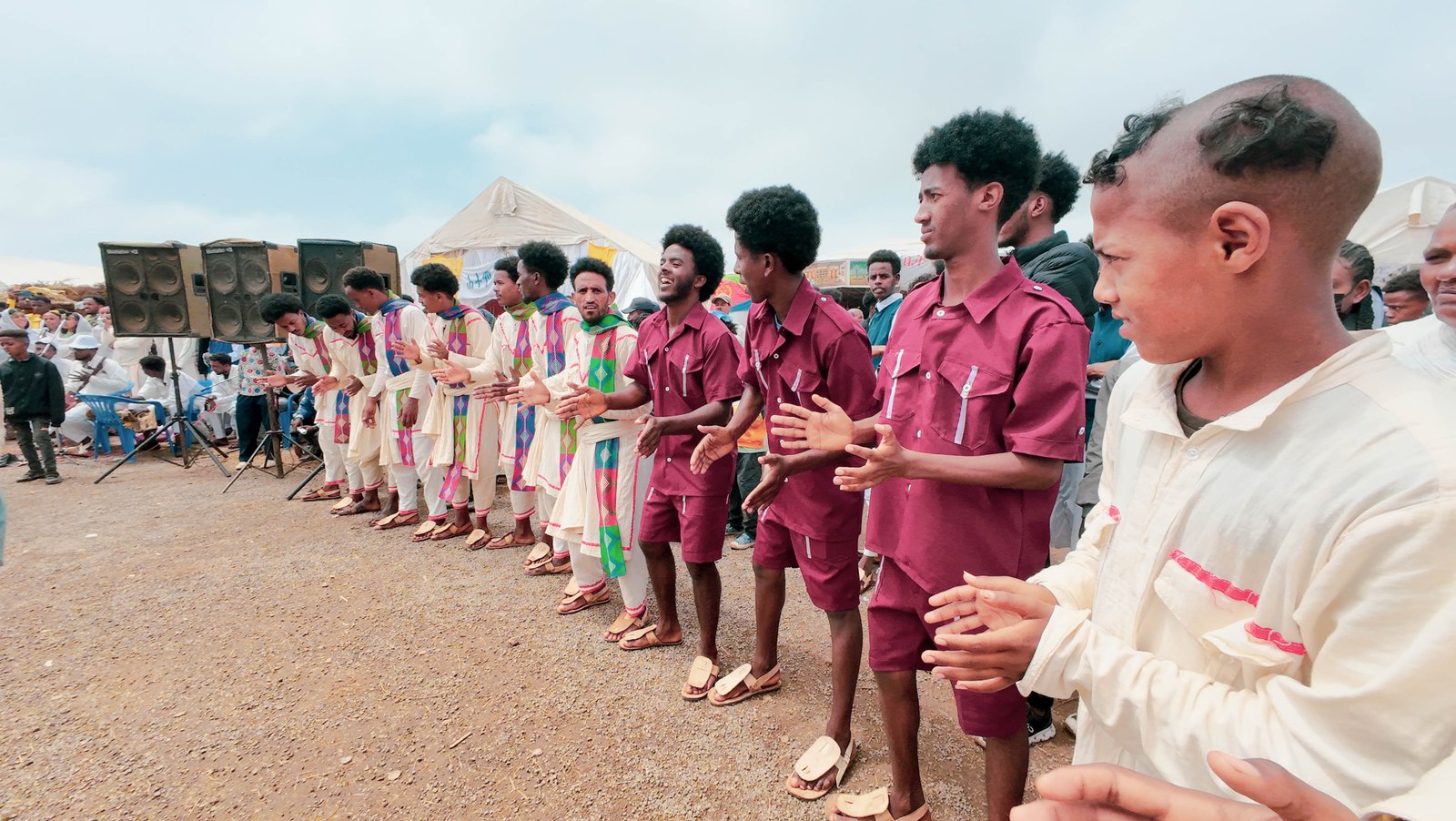
Experience Asmara's unique blend of cultures through markets, cafes, and traditional experiences.
Visual journey through Africa's modernist masterpiece
Strategically important port city on the Red Sea, known for its extreme heat and rich history
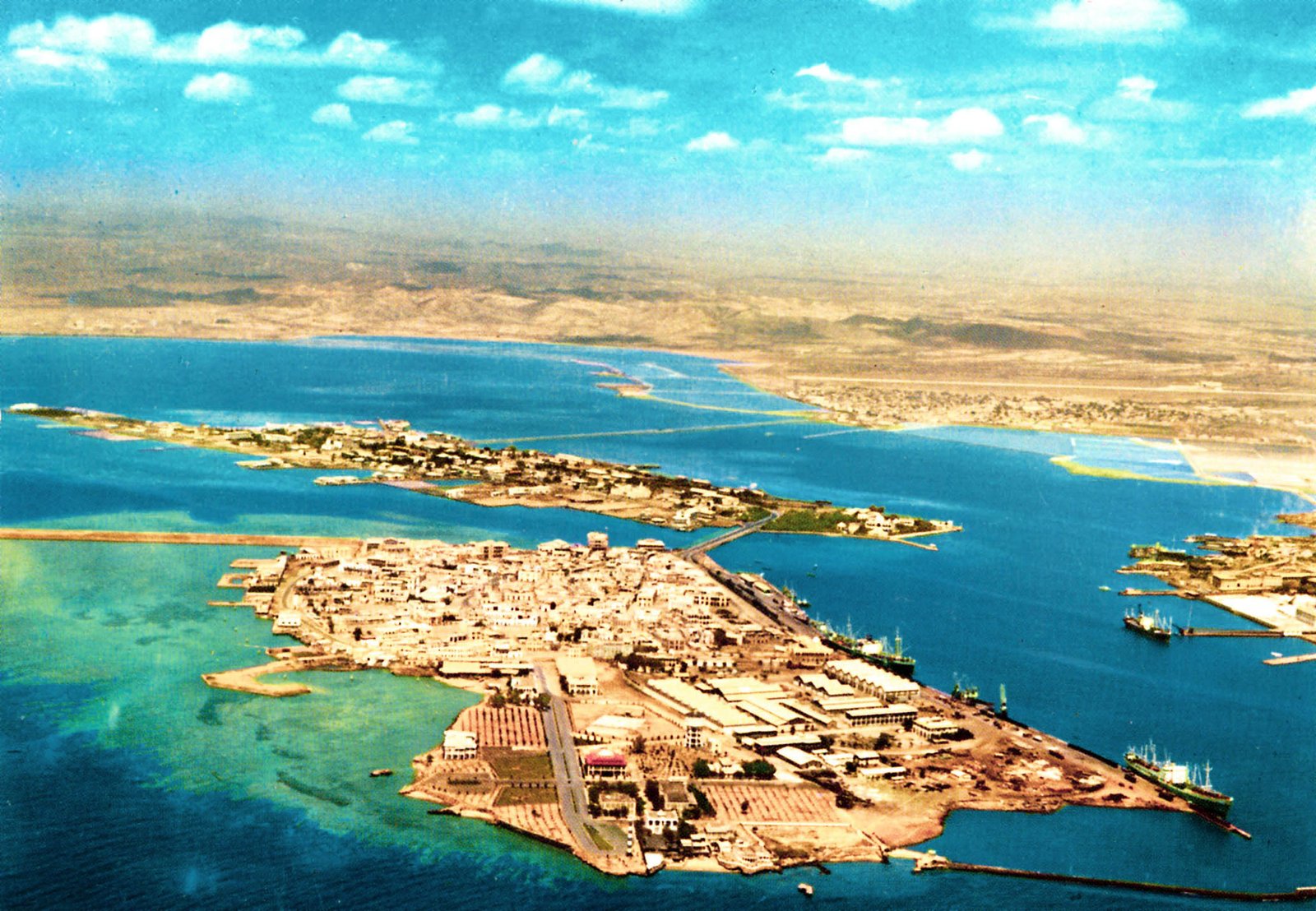
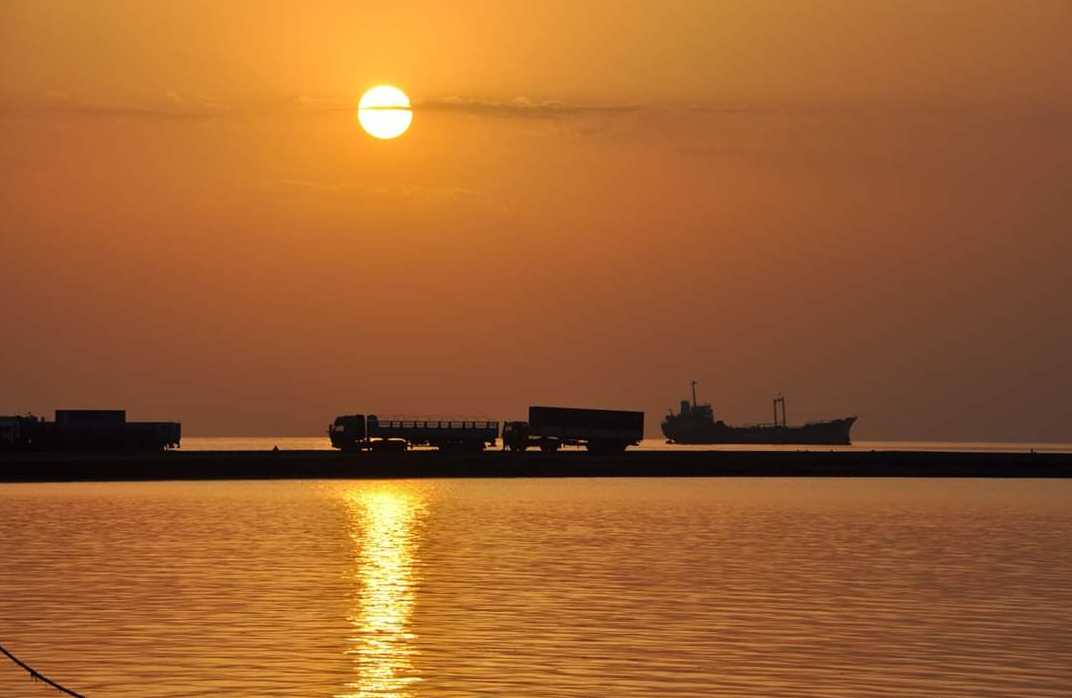
Massawa is a strategically important port city located on the Red Sea in the Northern Red Sea region. It has served as a vital maritime hub for centuries, connecting Eritrea to the wider world through trade and cultural exchange.
The historical Massawa is spread across two islands, Basé (with the historical center) and Tuwalet, which are connected to each other and the mainland by causeways. The city is known for being one of the hottest places on Earth, with an average temperature of nearly 30°C (86°F).
Massawa has a long and complex history, having been ruled or occupied by various powers including the Ottoman Empire, Egyptians, and the Italians. It served as the capital of the Italian Colony of Eritrea until 1897, when the seat of government was moved to Asmara.
Massawa's architecture showcases both Italian and Arab influences, reflecting its diverse history
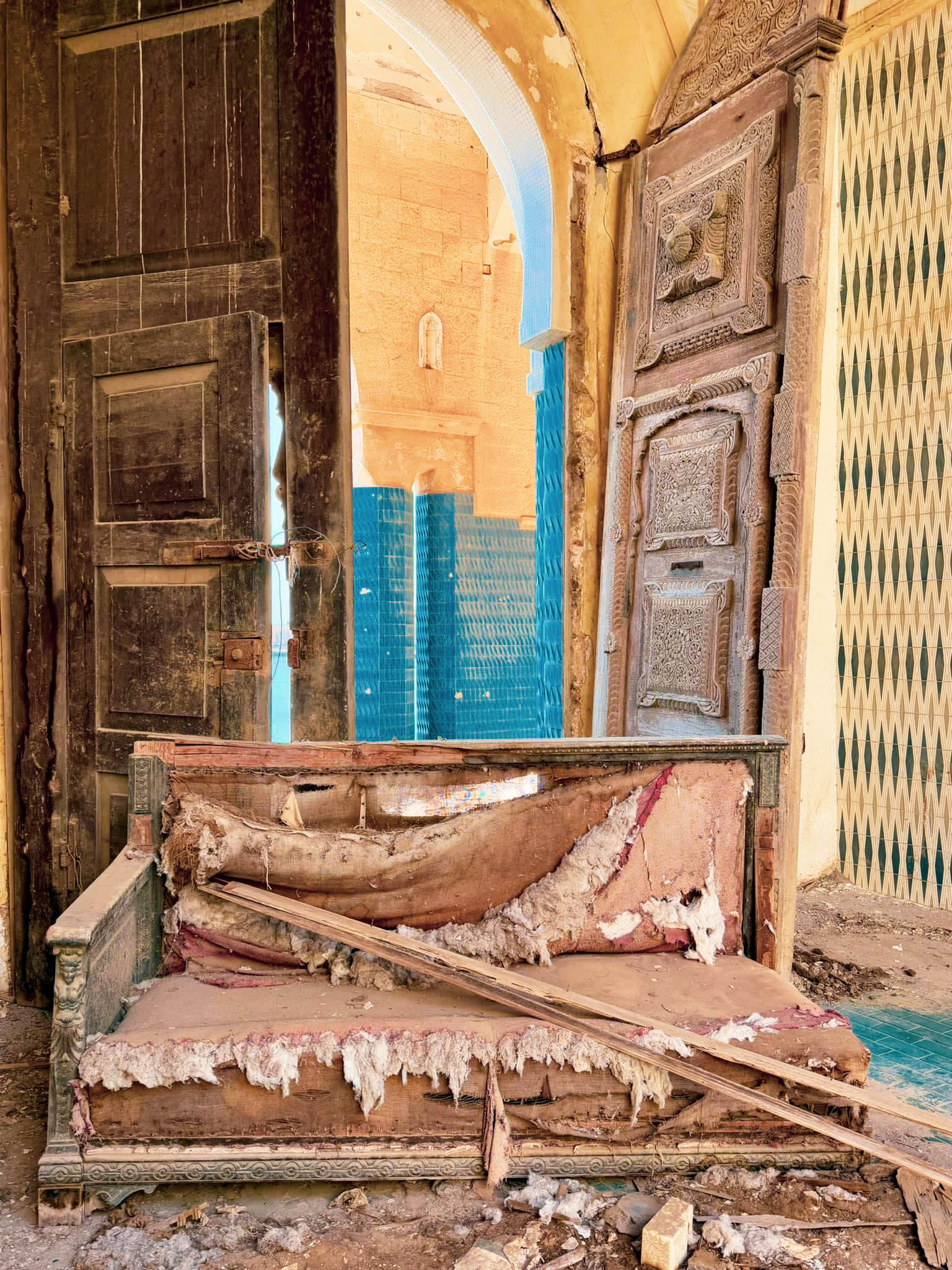
Ottoman-era buildings with distinctive mashrabiya (wooden lattice) windows and coral stone construction, creating a unique Arabian Nights atmosphere.
Once the residence of Ethiopian Emperor Yohannes IV and later Italian governors, this palace showcases Italian colonial architecture adapted to the coastal climate.
One of the oldest mosques in Africa, dating back to the 15th century, featuring beautiful Islamic architecture and historical significance.
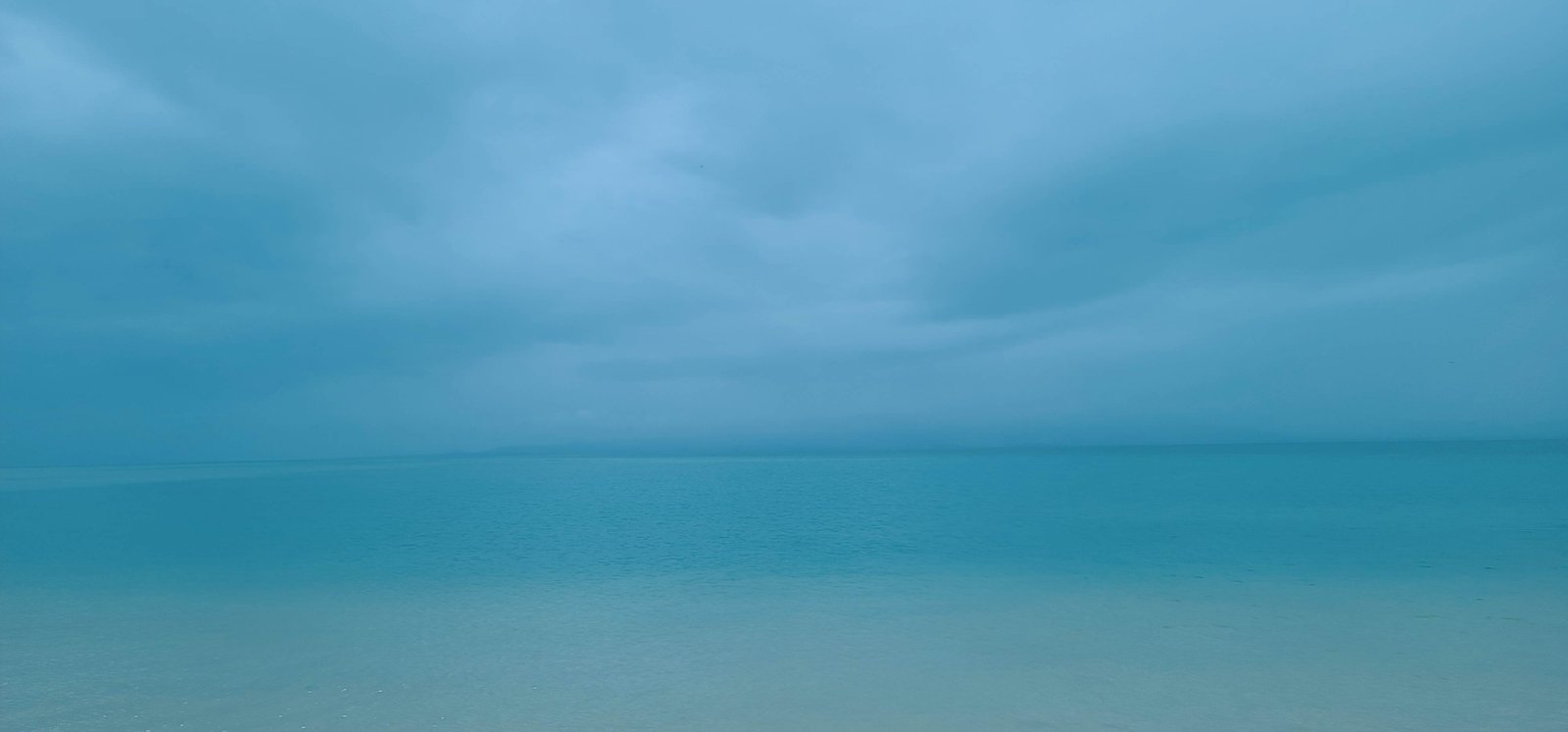
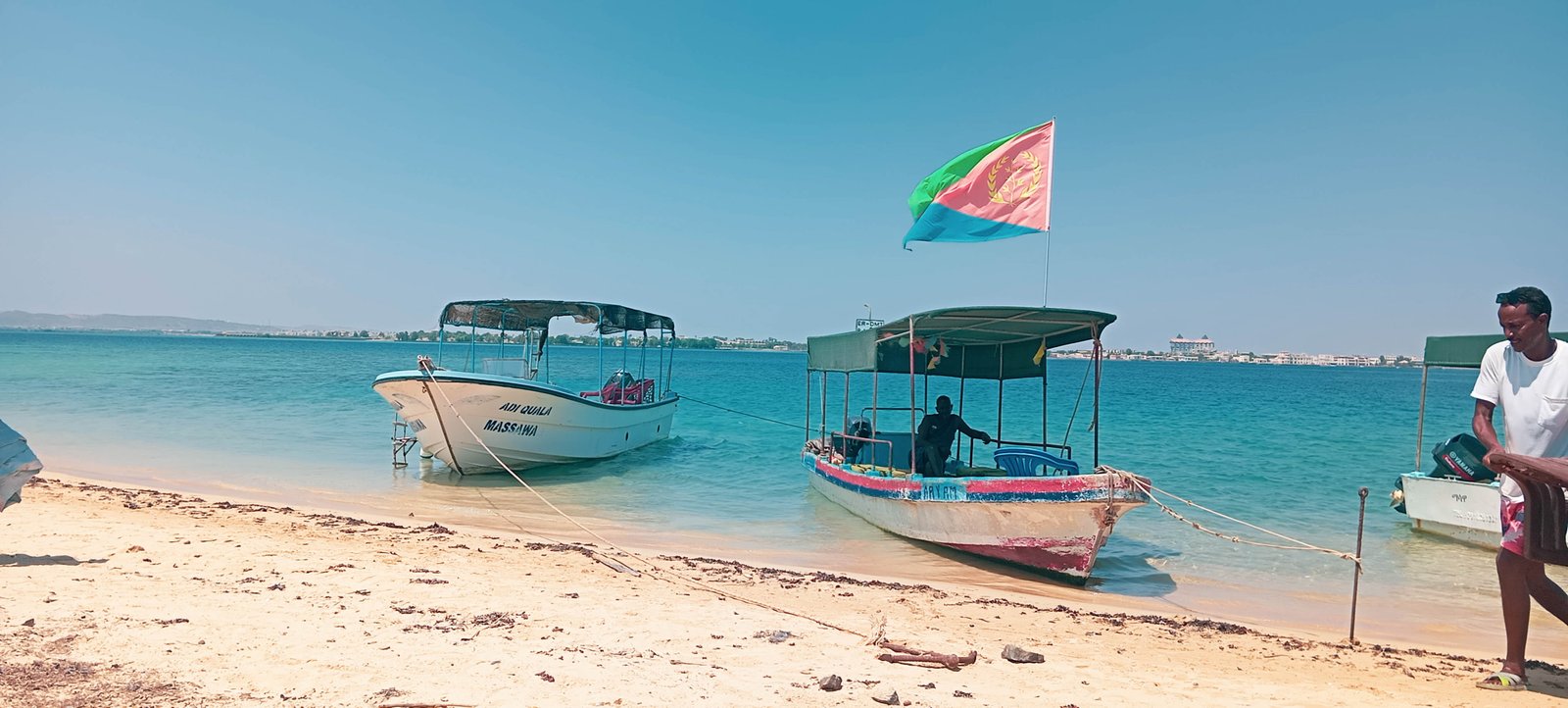
Gateway to the stunning Dahlak Islands, known for pristine beaches, coral reefs, and rich marine life - a paradise for snorkeling and diving.
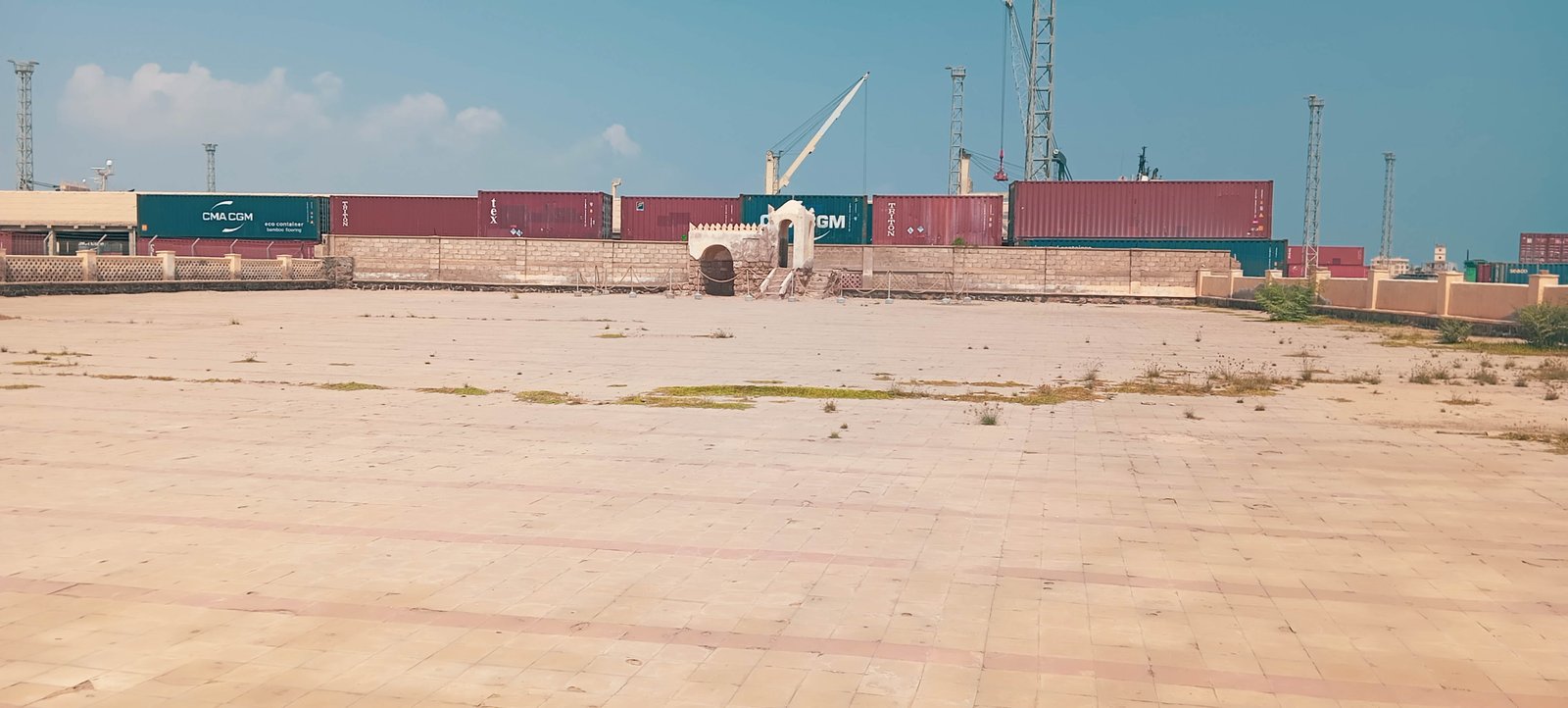
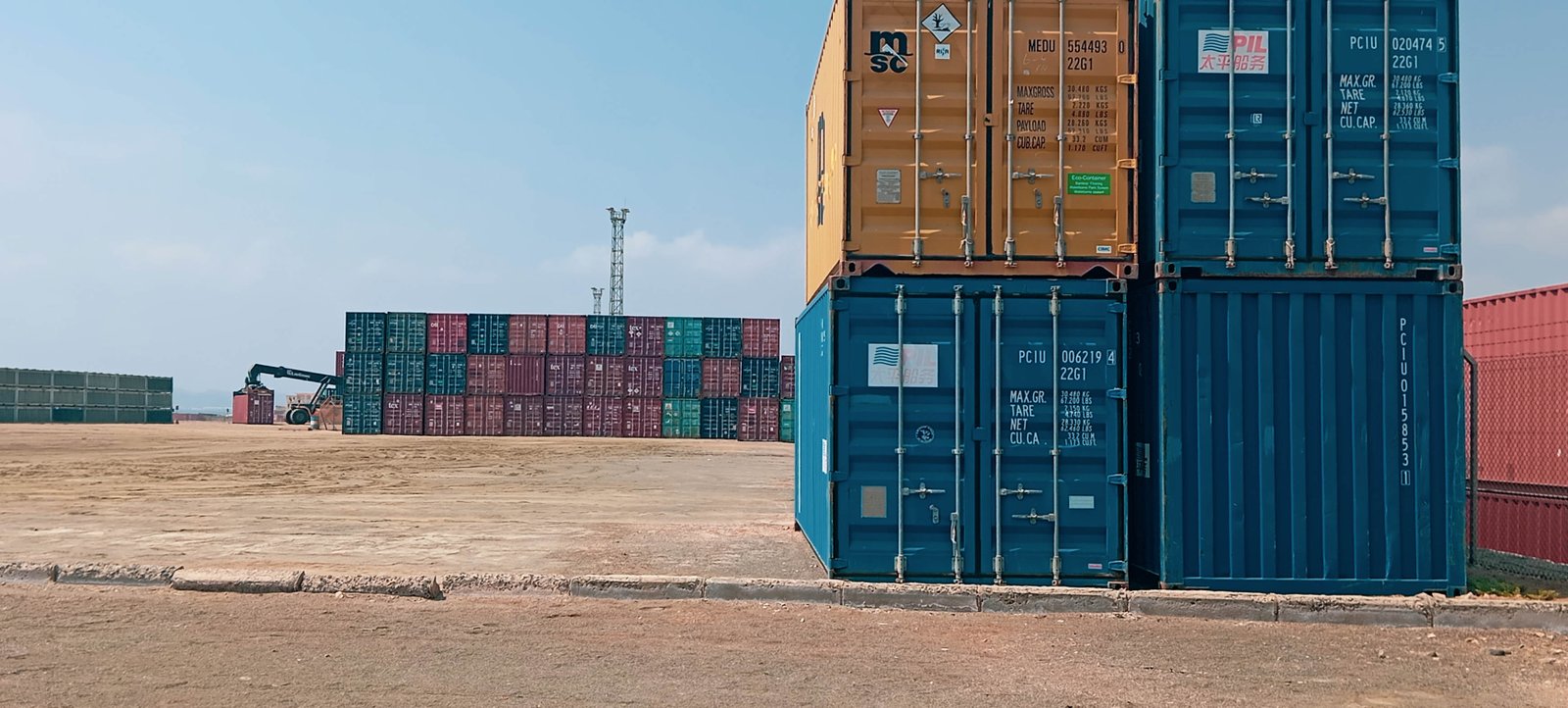
The port handles exports of agricultural products (oilseeds, nuts, hides, coffee), salt, fish, and pearls, and imports industrial goods. Local industries include saltworks, fish and meat processing, a cement plant, and an ice factory. Despite severe damage during the Eritrean War of Independence, particularly in 1990, Massawa remains a significant tourist center, serving as a gateway to the Dahlak Archipelago, known for its islands and marine life.
Explore the Pearl of the Red Sea with our guided experiences
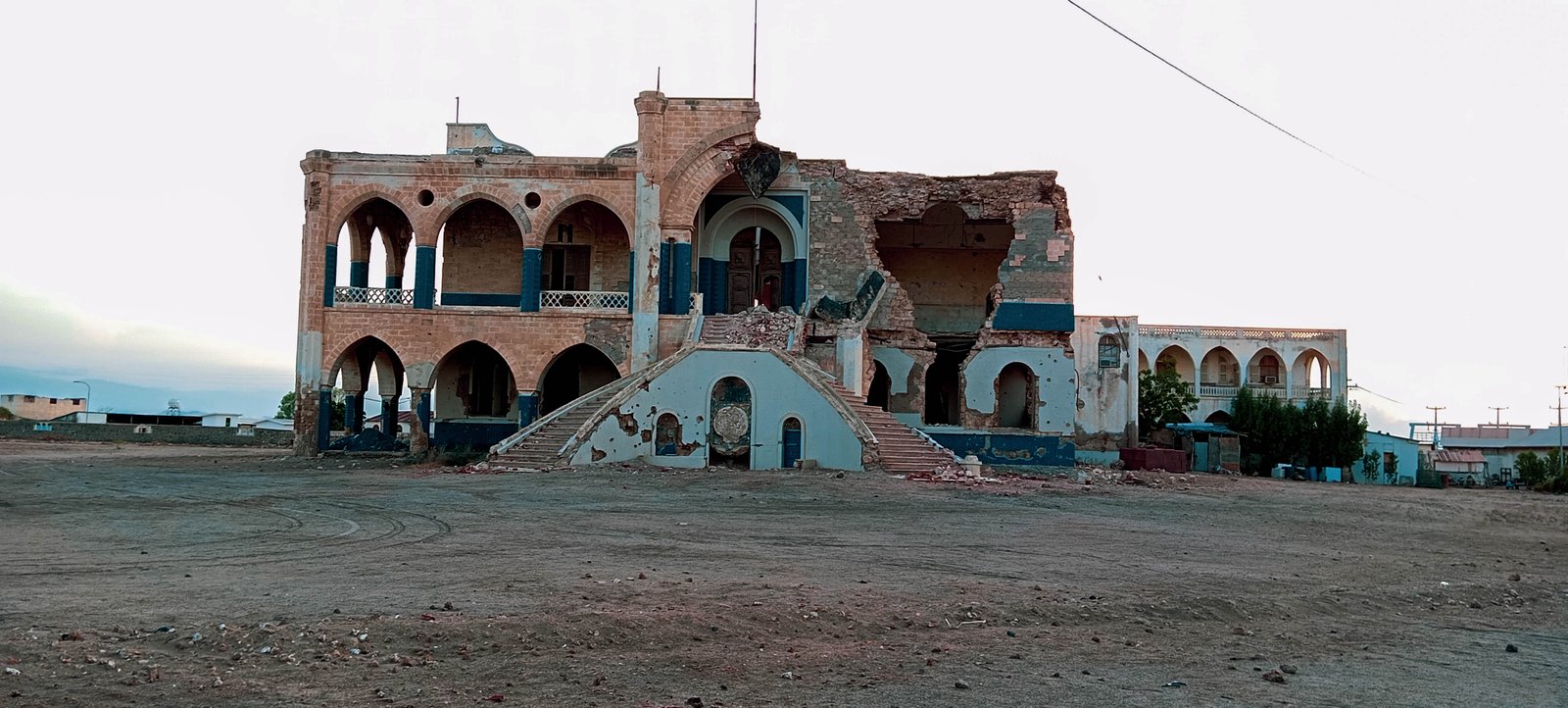
Explore Massawa's rich history through its Ottoman, Egyptian, and Italian architectural heritage.
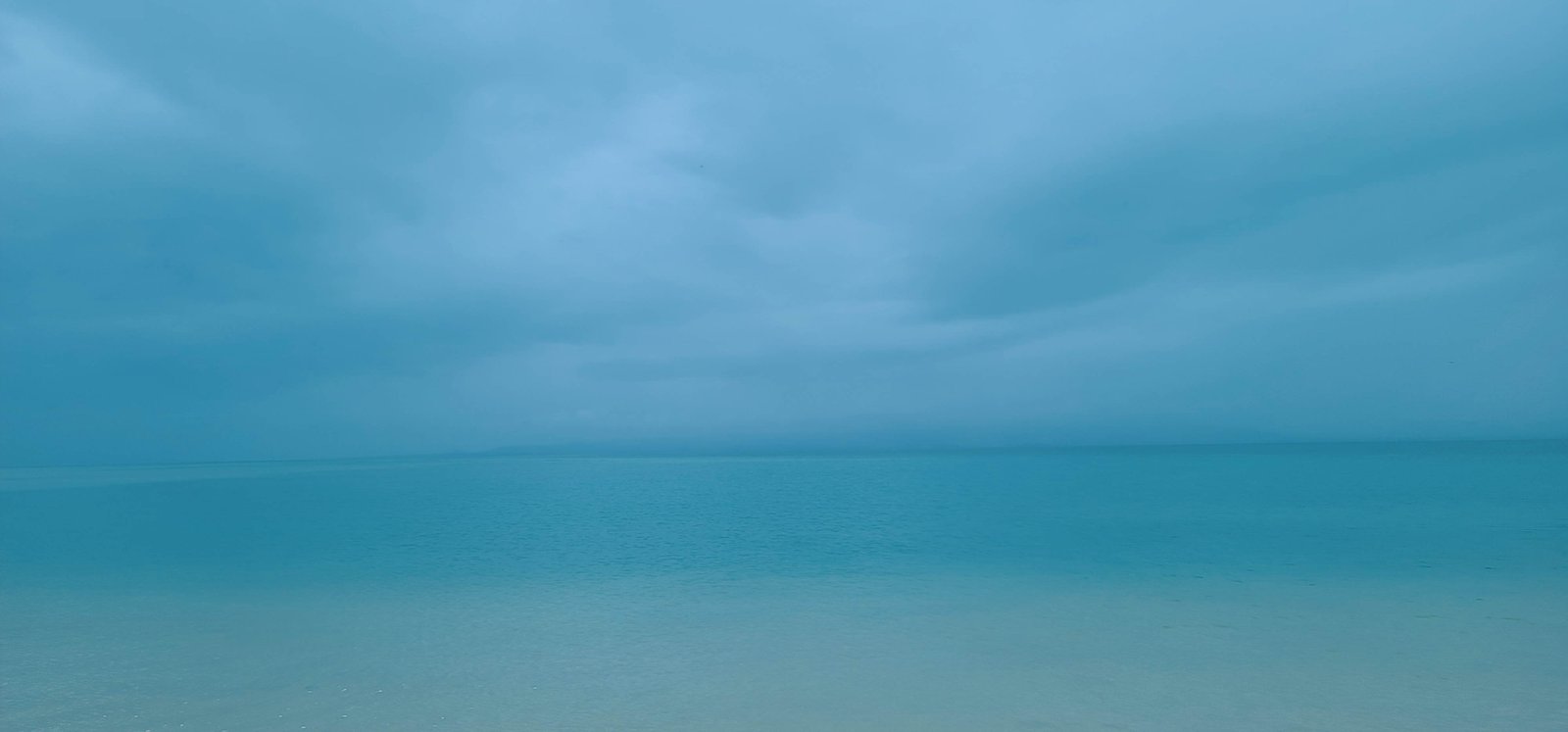
Boat trip to the beautiful Dahlak Archipelago for snorkeling and beach relaxation.
Visual journey through Eritrea's historic port city
Second largest city in Eritrea, located approximately 91 kilometers northwest of Asmara
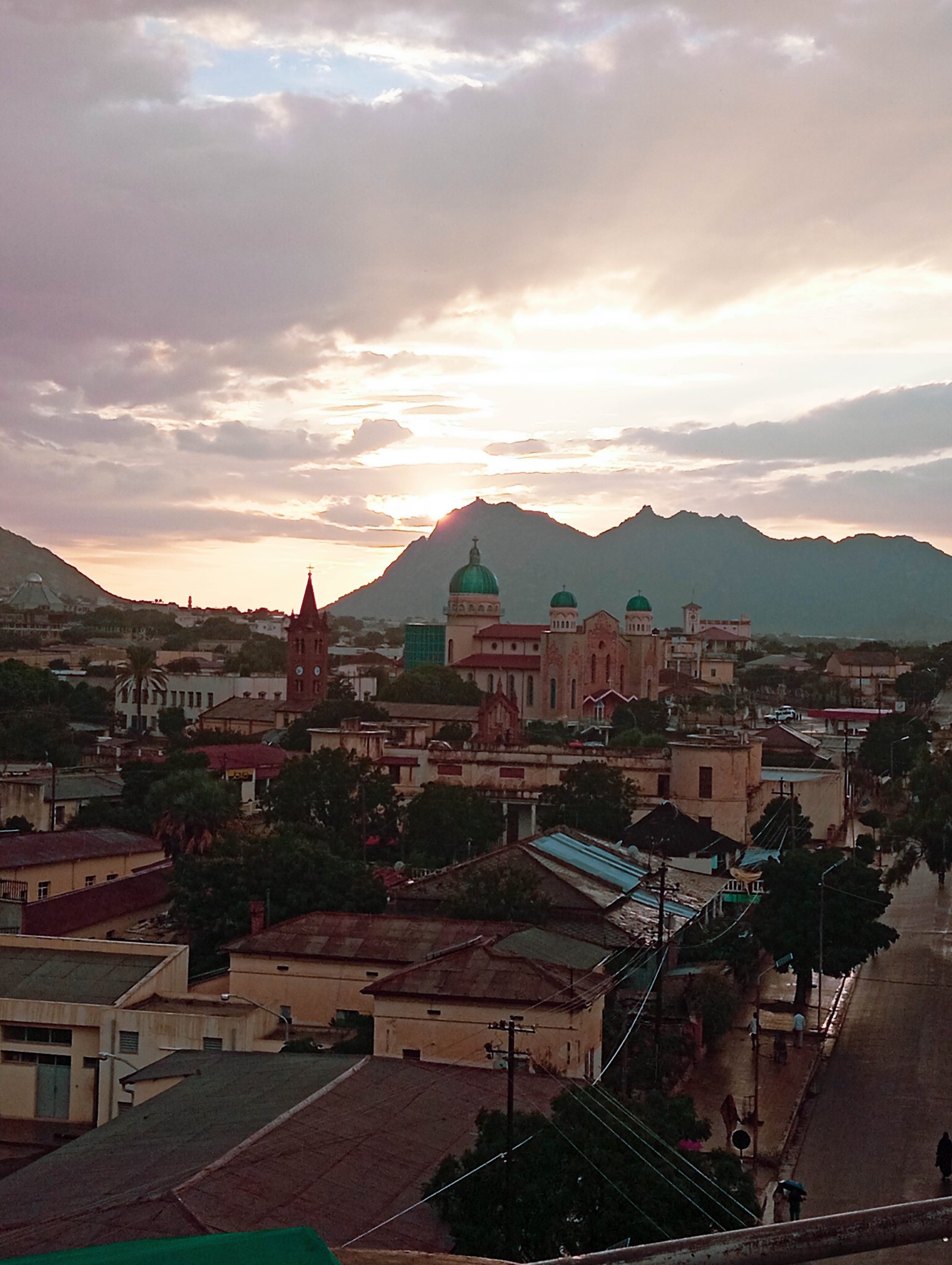
Keren is the second-largest city in Eritrea, located approximately 91 kilometers (57 miles) northwest of Asmara. It sits at an elevation of around 1,590 meters (5,220 feet) above sea level, sprawling on a wide basin surrounded by granitic mountains. Keren serves as the capital of the Anseba Region.
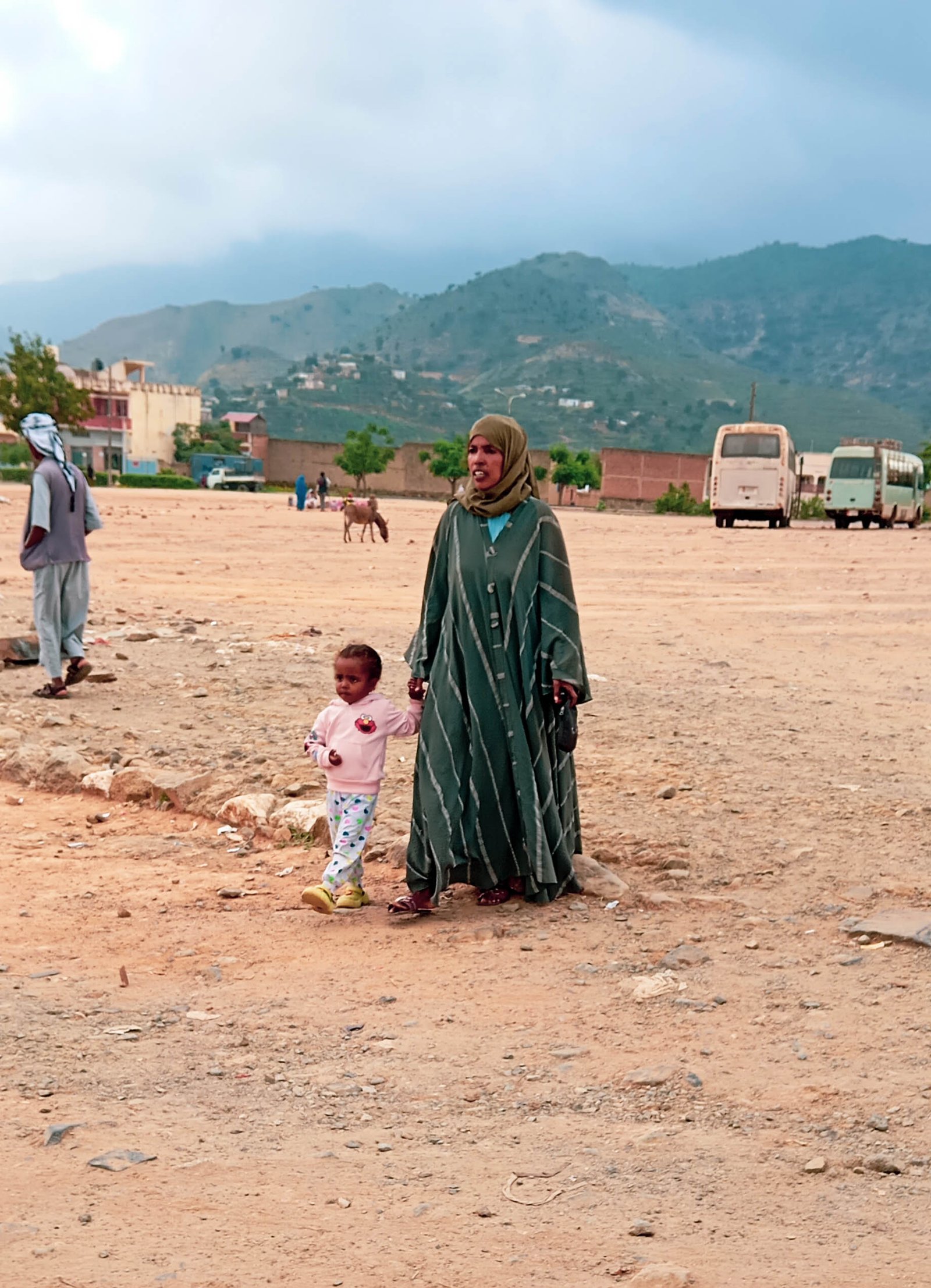
Keren is home to various ethnic groups, including the Bilen and Tigre people. This diversity is reflected in the city's vibrant culture, traditions, and markets, making it a fascinating cultural crossroads in Eritrea.
Keren has played a crucial role in Eritrea's history, being a site of significant battles during both World War II (particularly between Italian and British forces in 1941) and the Eritrean War of Independence. Historically, it was a trading settlement on the Ethiopian frontier and an important commercial center due to its position on the trade route between Massawa and Sudan.
Discover Keren's unique historical sites and vibrant cultural experiences
19th-century fort built by Egyptian forces during their occupation, offering panoramic views of Keren and surrounding mountains.
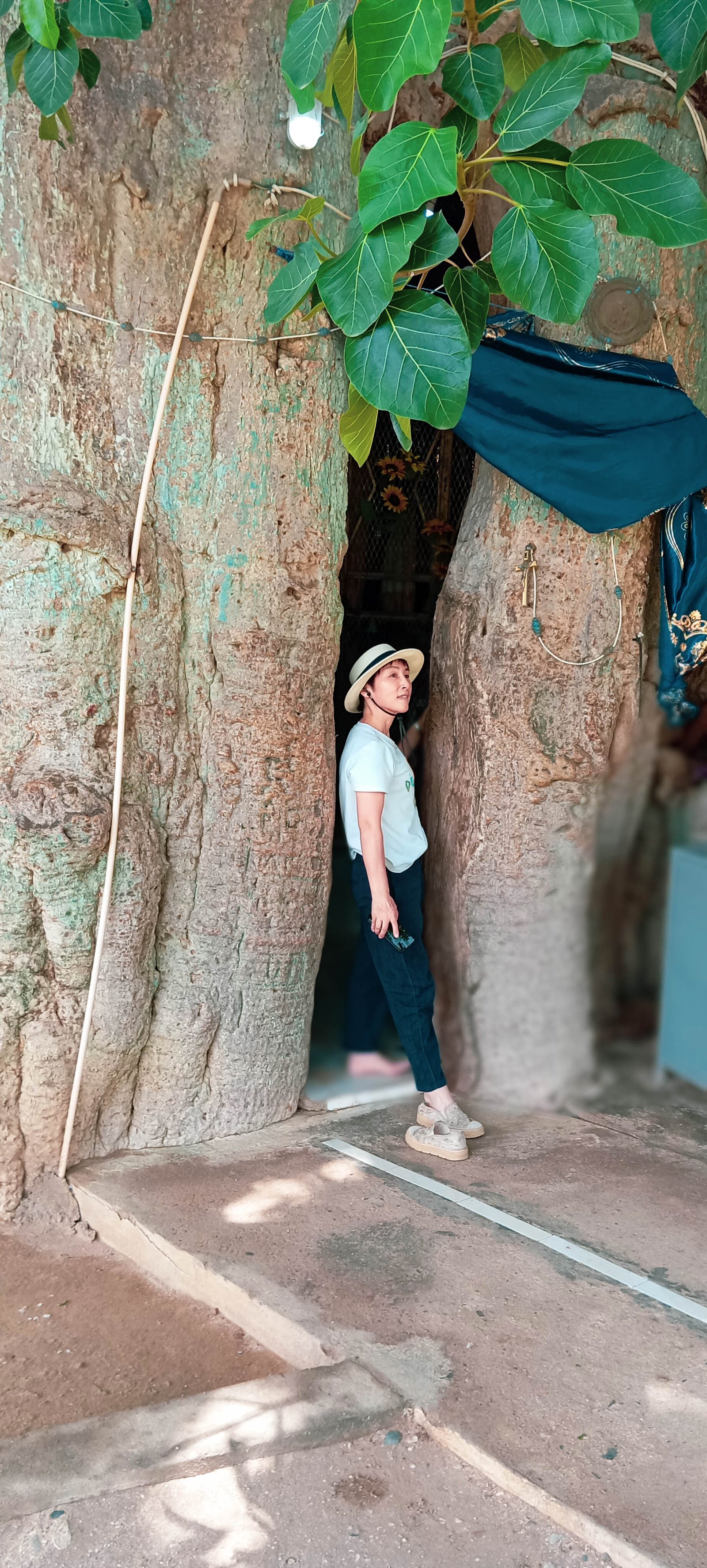
Unique chapel located inside a giant baobab tree, an important pilgrimage site and one of Eritrea's most unusual religious sites.
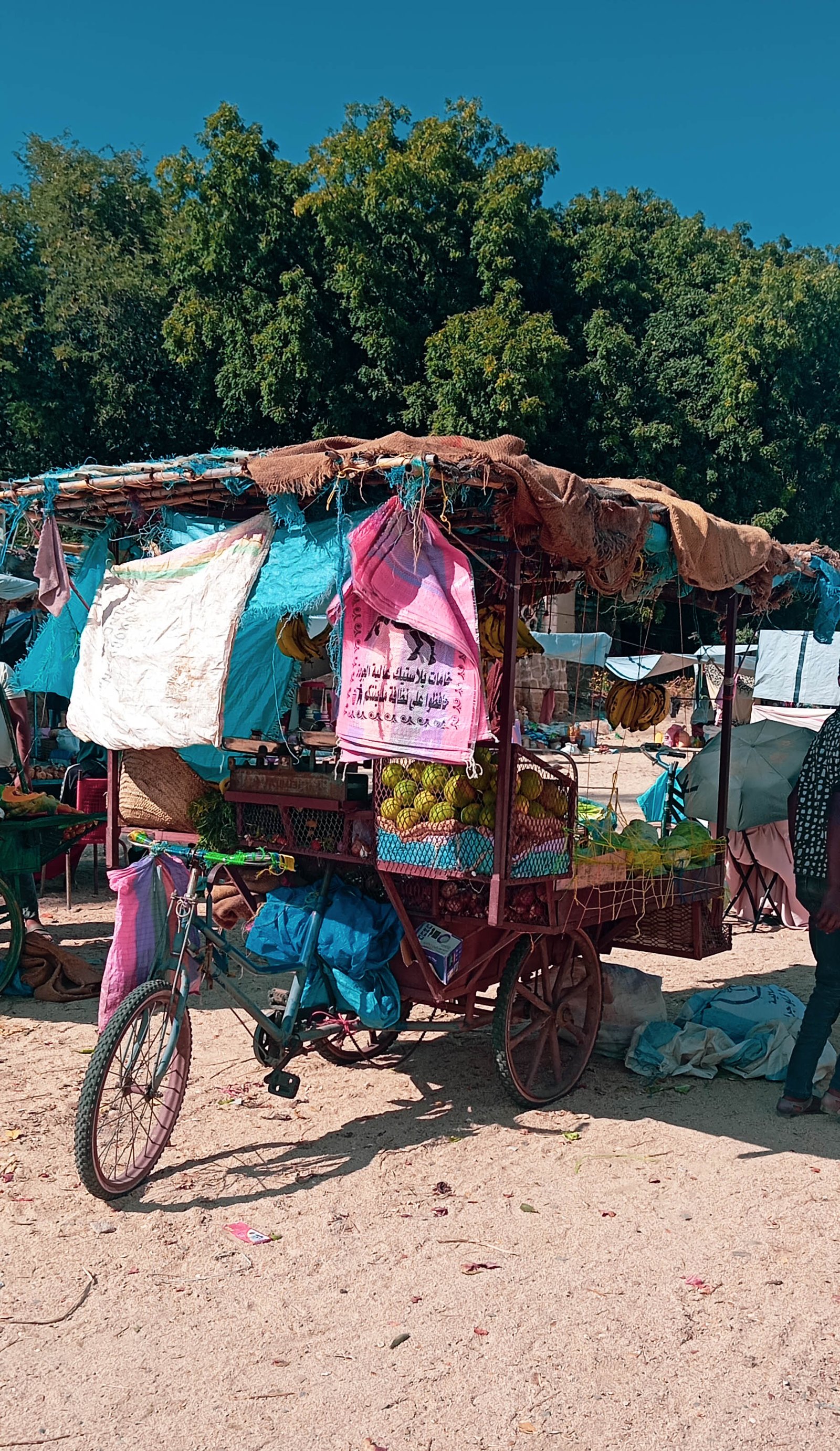
Keren is known for its busy markets, especially the lively general market and a traditional livestock and camel market, which are held every Monday.
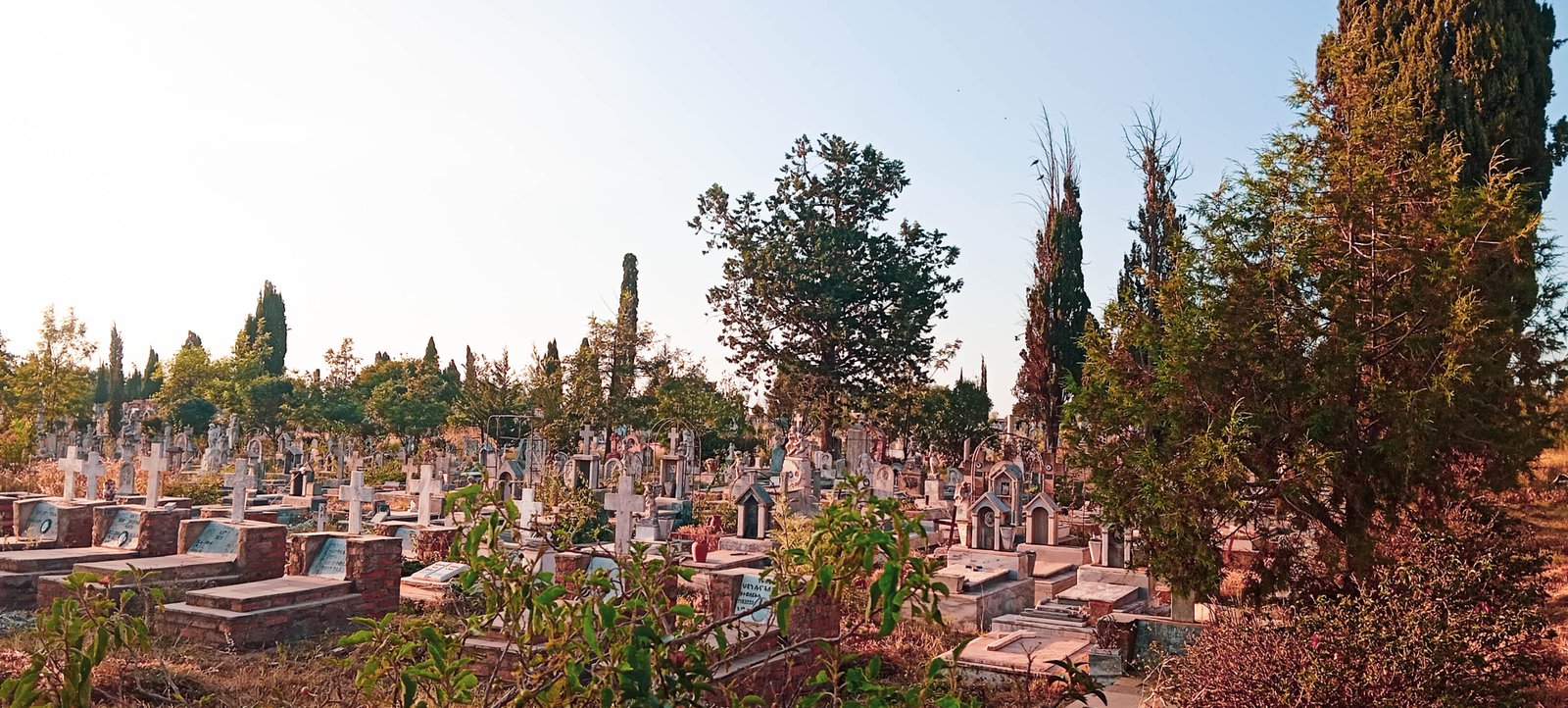
British and Italian Army cemeteries from World War II, serving as solemn reminders of the fierce battles fought for control of Keren.
Keren experiences a hot semi-arid climate with a short monsoonal wet season from June to September. The city remains an important commercial center, with its markets attracting traders from across the region. Visitors can explore the former railway station from the 1920s, the old mosque, Sayed Bakri Mausoleum, and various historical sites that tell the story of Keren's strategic importance throughout history.
Experience the mountain city's unique culture and history
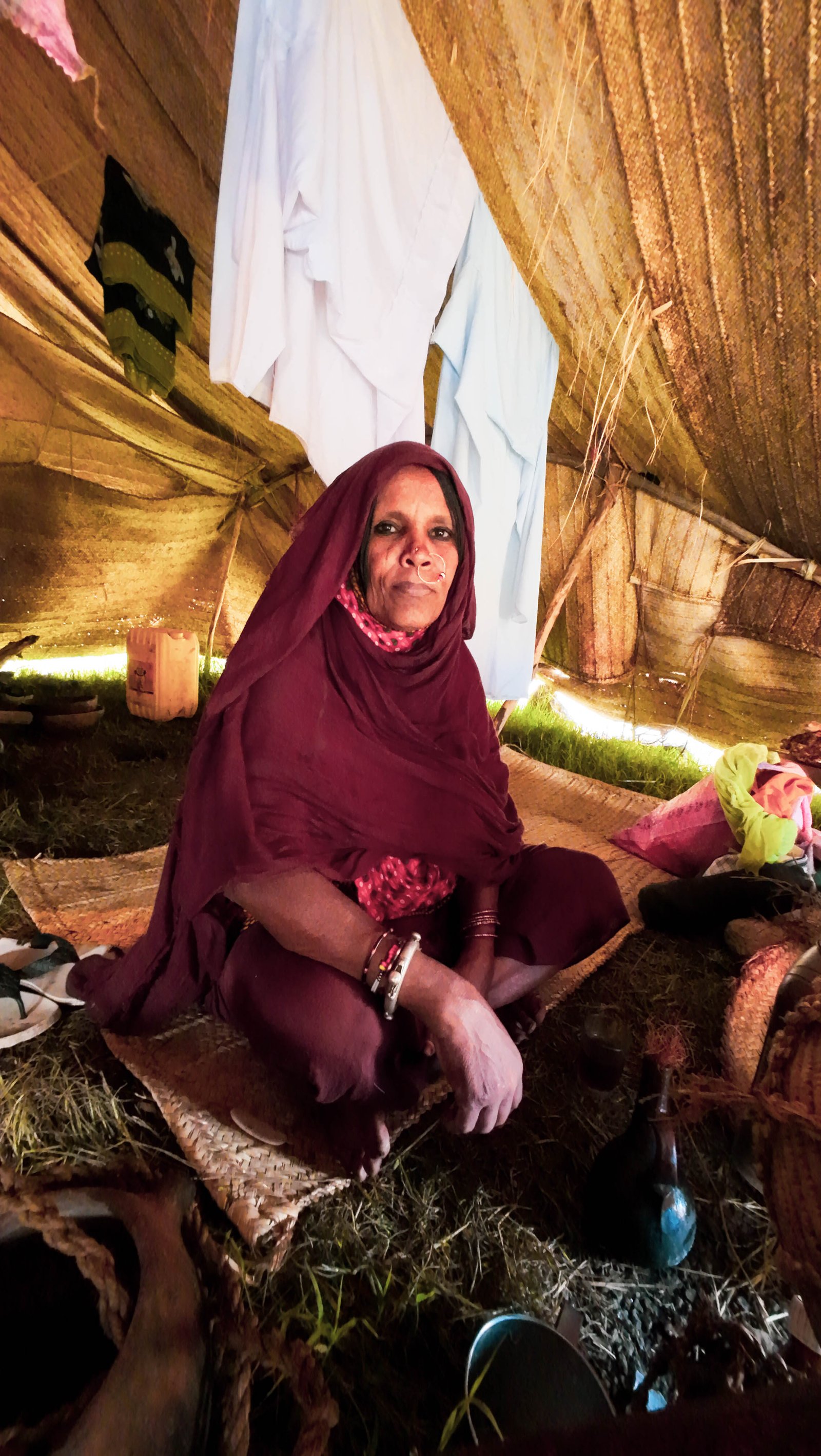
Immerse yourself in Keren's vibrant culture through its famous markets and historical sites.
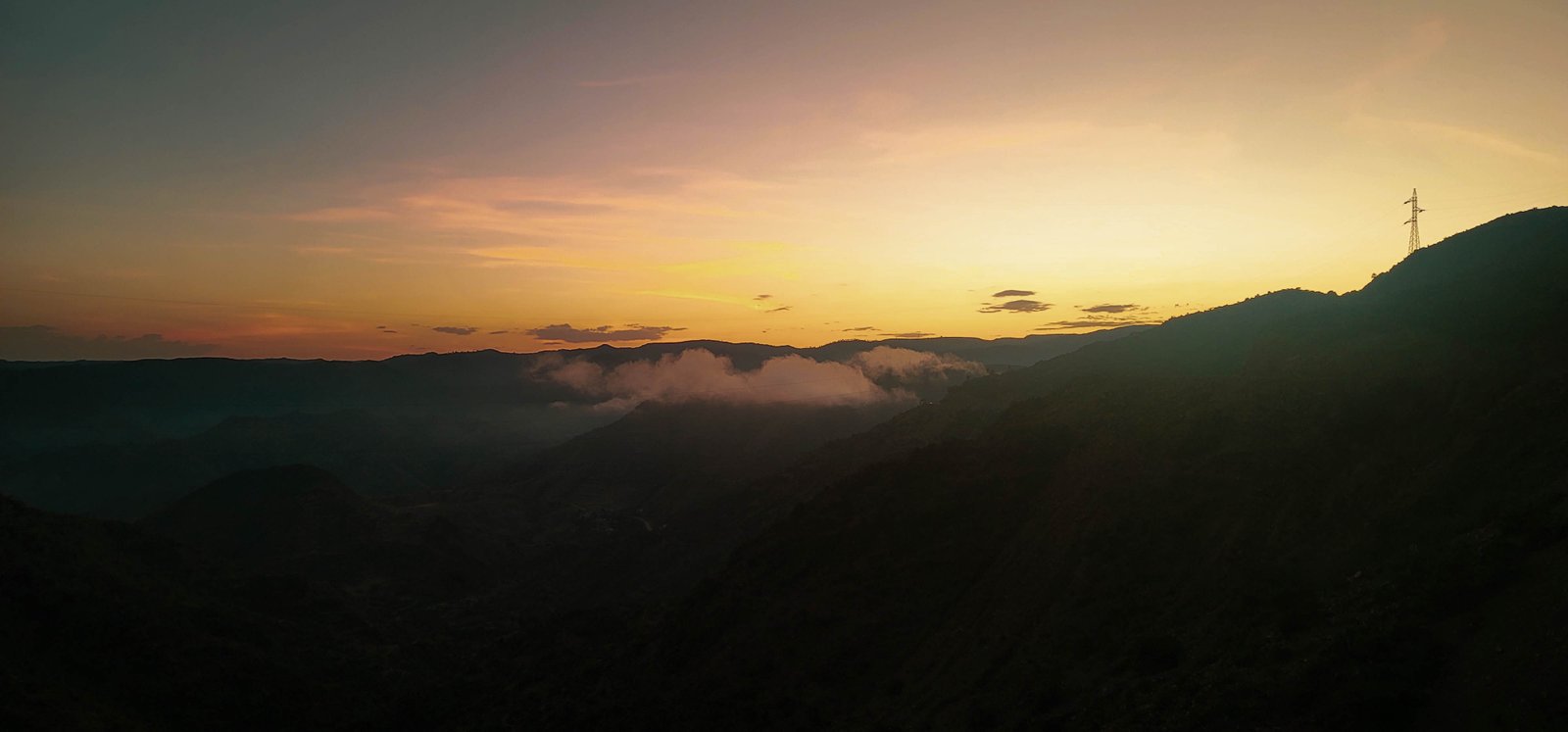
Explore Keren's military history from World War II to the Independence struggle.
Visual journey through Eritrea's mountain city

Book your city tour today and discover the unique urban treasures of Asmara, Massawa, and Keren with our expert guides.