
Journey Through Time on Eritrea's Historic Railways and Vintage Streets
Explore Vintage AdventuresEritrea offers unique opportunities for antique vehicle enthusiasts, largely thanks to its Italian colonial legacy. The country is like a living museum, particularly when it comes to its railway system and the vintage cars that still roam the streets of Asmara. Experience transportation history that's still very much alive and operational.
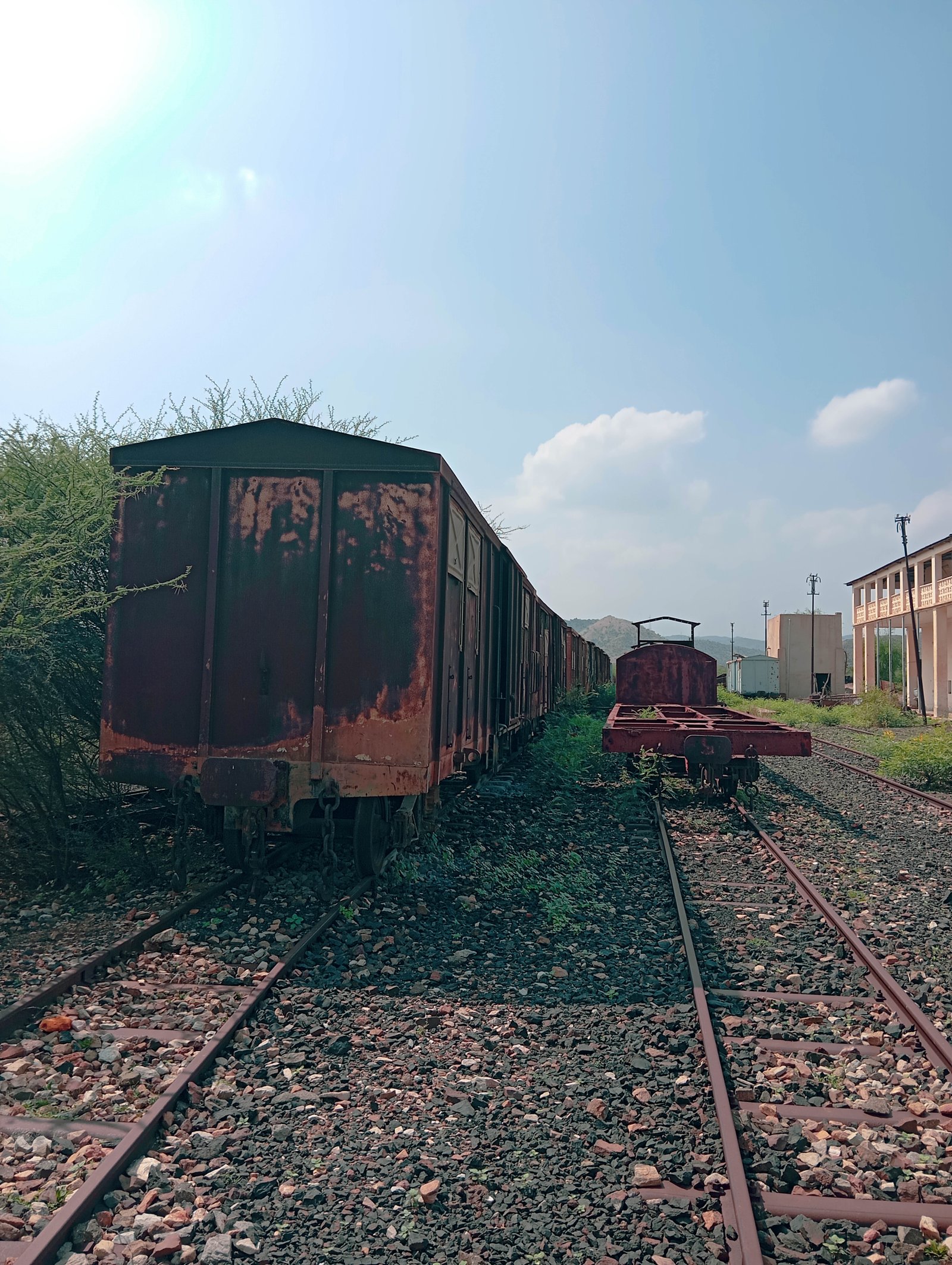
Constructed by Italians between 1887 and 1932, connecting Massawa to Asmara
The Eritrean Railway is perhaps the most iconic antique vehicle experience in the country. It's a remarkable feat of engineering and a true step back in time, operating with original or meticulously restored equipment from the Italian colonial era.
Construction: Built by Italians between 1887-1932 to connect Massawa port (Red Sea) with Asmara highlands (2,300+ meters altitude).
Technical Feats: Features 39 tunnels, numerous bridges including a 14-arch viaduct, and steep inclines through challenging mountain terrain.
Track: Narrow-gauge railway system designed for the difficult Eritrean landscape.
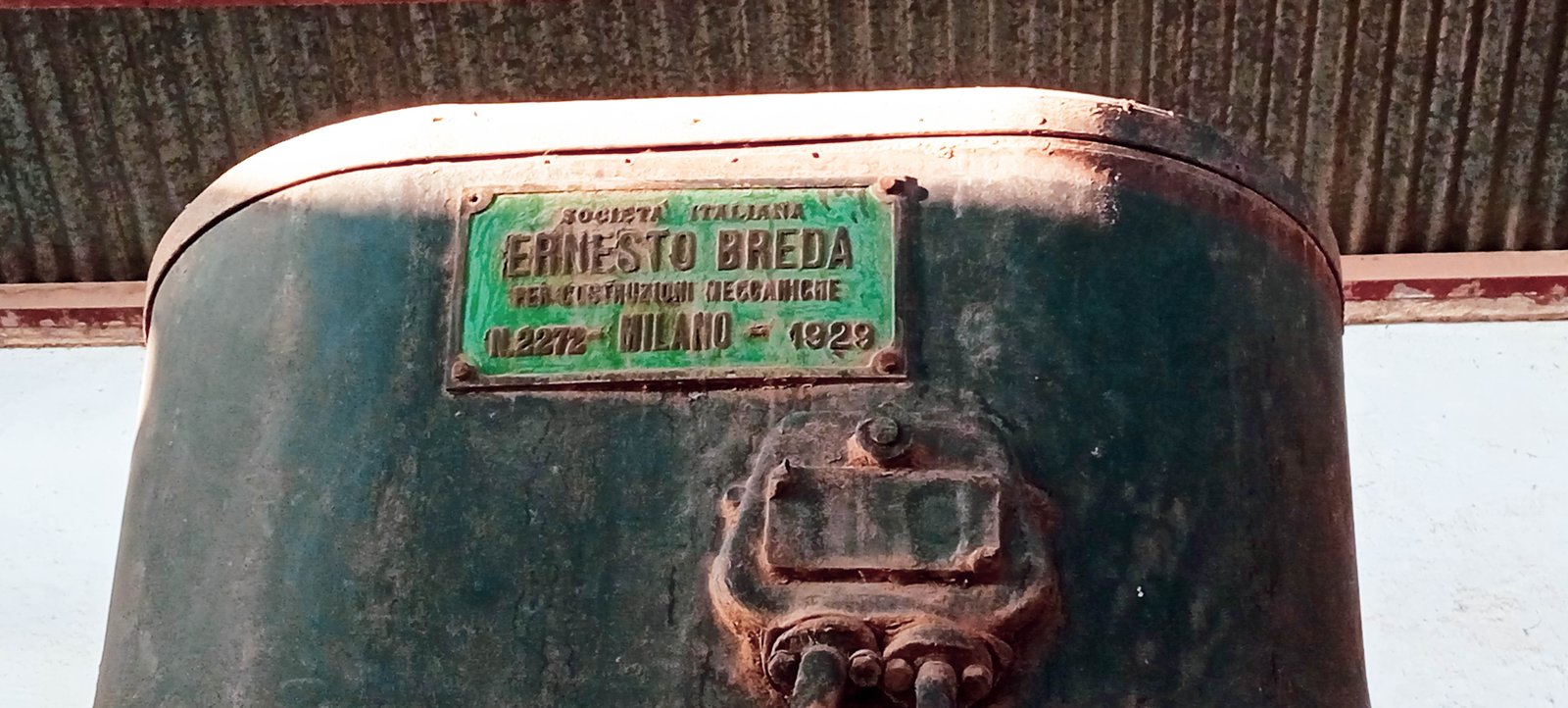
Locomotives: 1930s-vintage Mallet steam locomotives (202 and 440 series) still in operation.
Railcars: Ride in original 1930s Italian-built 'Littorina' railcars.
Manual Systems: Some passenger cars still use manual braking systems where brakemen apply brakes on each wagon.
Preservation: Meticulously restored equipment maintains historical authenticity.
Popular Route: Roundtrip from Asmara to Arbaroba (2.5-3 hours).
Scenery: Breathtaking panoramic views through mountains, deep gorges, and lush "Green Belt" areas.
Pace: Slow, scenic journey perfect for photography and historical immersion.
Cultural Stop: Often includes village stop with traditional Eritrean coffee ceremony.
Full Line Status: The full Massawa to Asmara line isn't fully operational for regular passenger service (used for cargo/special charters).
Tourist Operation: Steam train operates on charter basis rather than fixed schedule.
Booking Requirements: Must be booked well in advance through agencies who manage logistics, permits, and coal supply.
Guaranteed Highlight: Included in many comprehensive Eritrea tours as a guaranteed experience.
Time Travel Feel: Often described as "going back in time" with authentic sights, sounds, and smells of steam locomotion.
950mm narrow gauge
117.6 km (Massawa-Asmara)
2,350 meters
3.5% (1 in 28.5)
39 tunnels
65 bridges and viaducts
Classic Italian cars still roaming the streets as everyday transportation
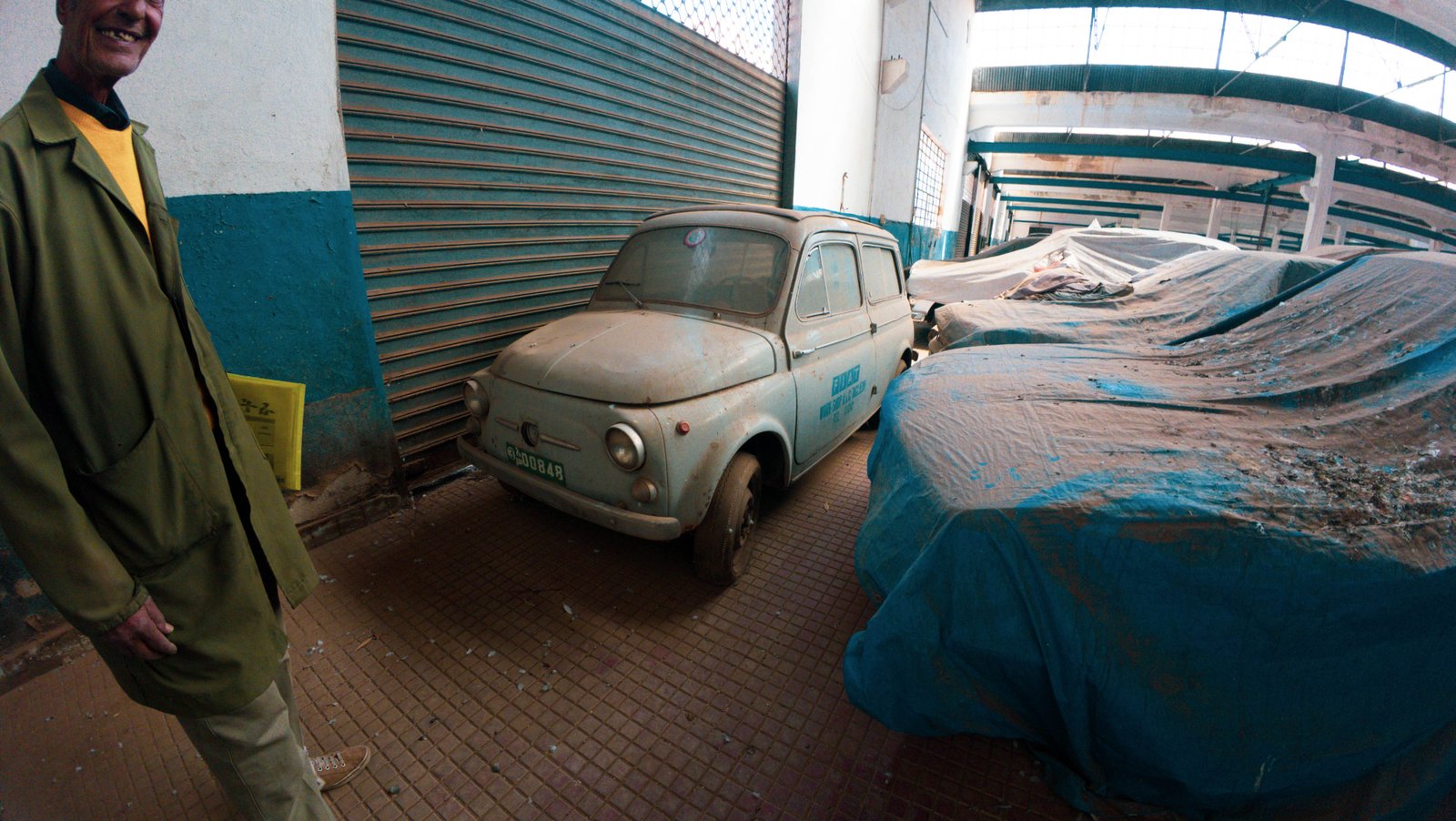
Asmara is famously known as a "living museum" of modernist architecture, and this extends to its classic cars. Due to decades of isolation and economic conditions, many vehicles imported during the Italian colonial era and subsequent periods are still in active use on the streets of Asmara.
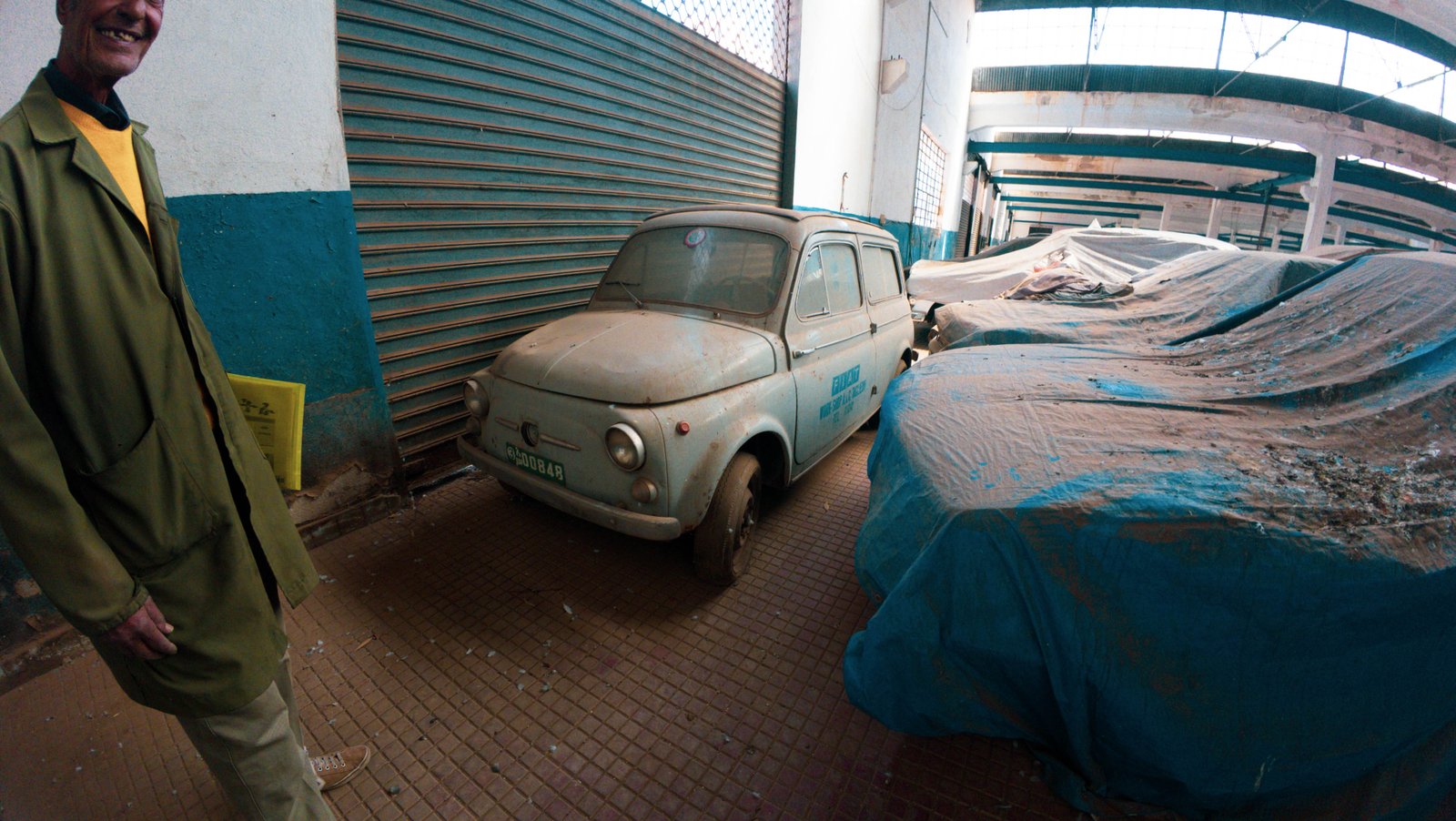
The most iconic vintage cars still commonly seen on Asmara's streets. These tiny Italian classics from the 1950s and 1960s serve as taxis, family cars, and even driving school vehicles. Their compact size and durability have made them enduring favorites.
1950s-1960s Italian Classic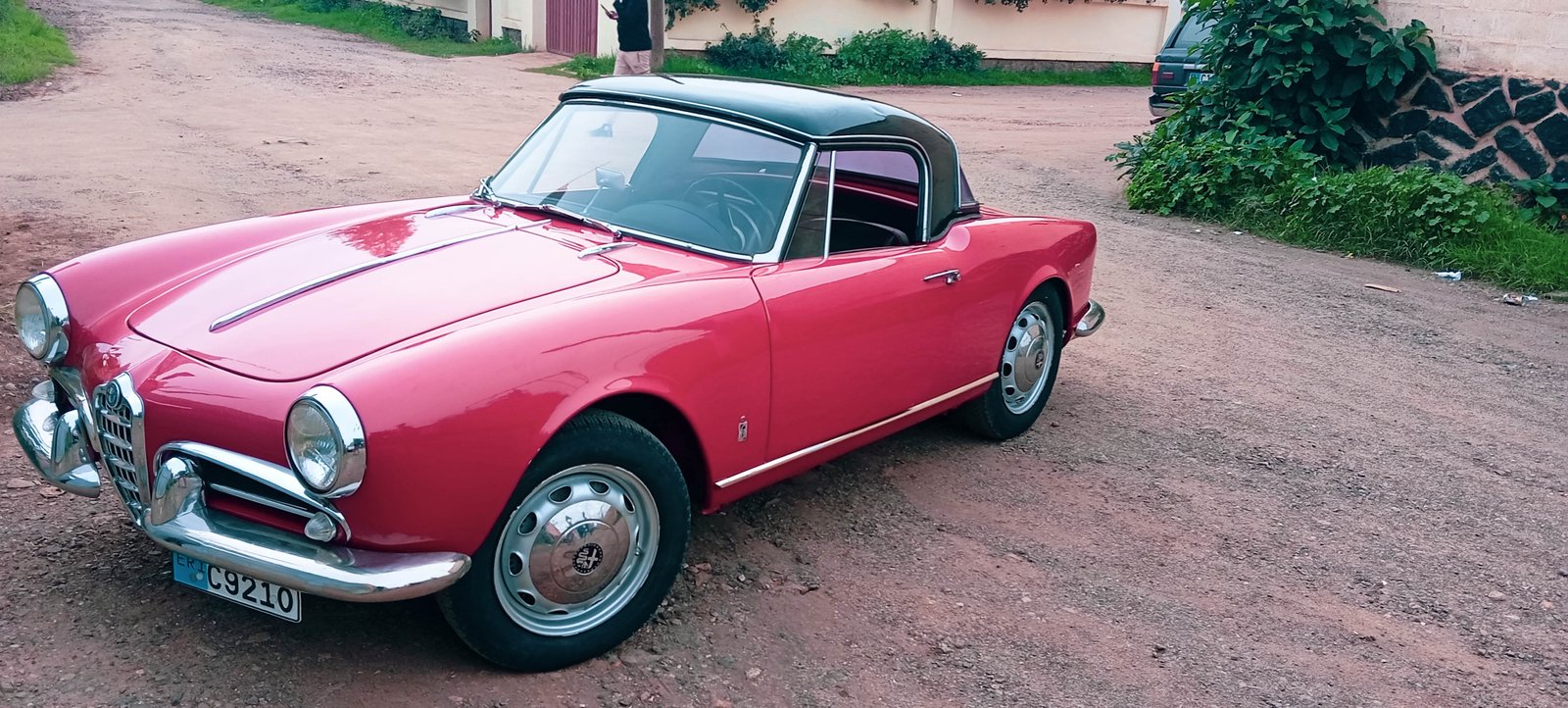
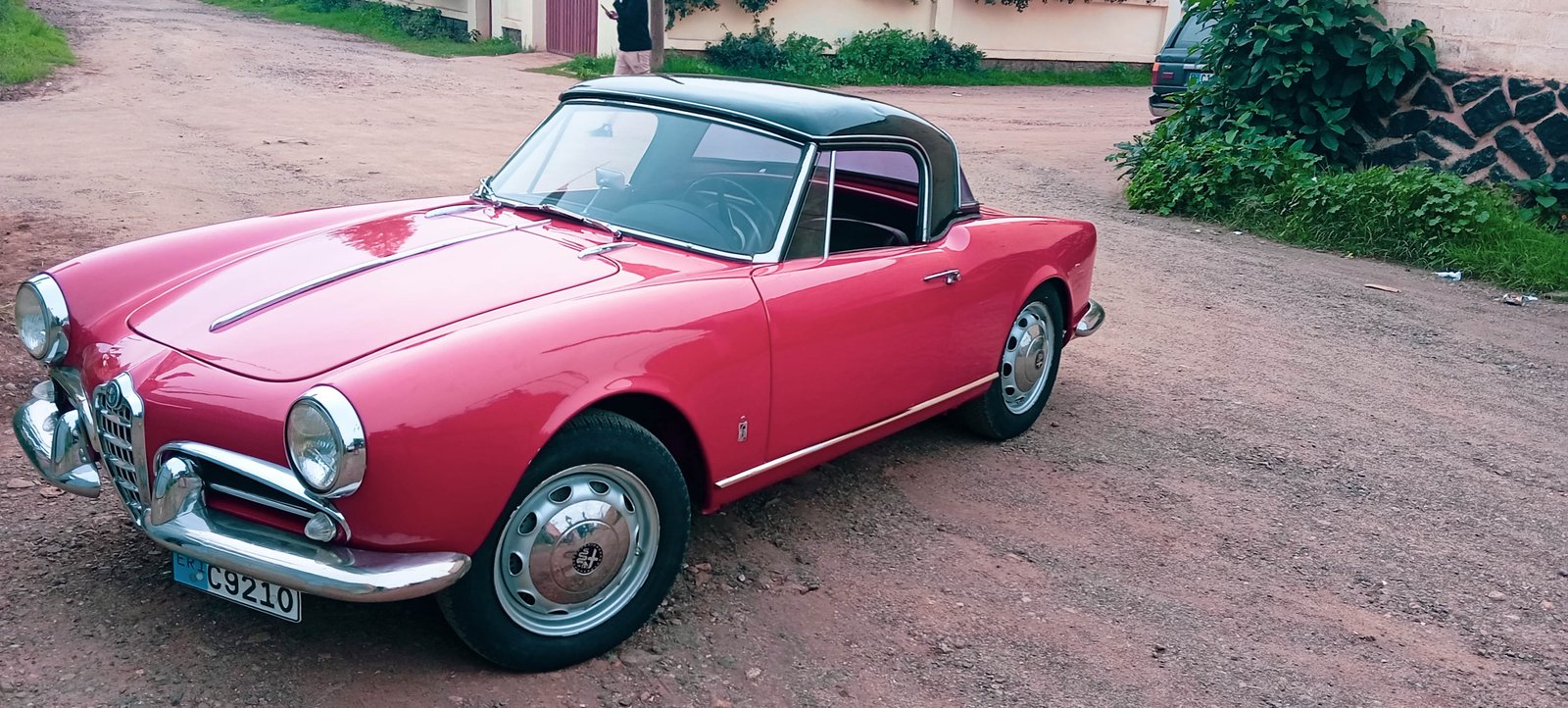
Premium Italian brands that were imported during the colonial era. While less common than Fiats, well-preserved examples of Alfa Romeos and Lancias from the 1960s and 1970s can still be spotted, often lovingly maintained by enthusiasts and collectors.
1960s-1970s Premium Italian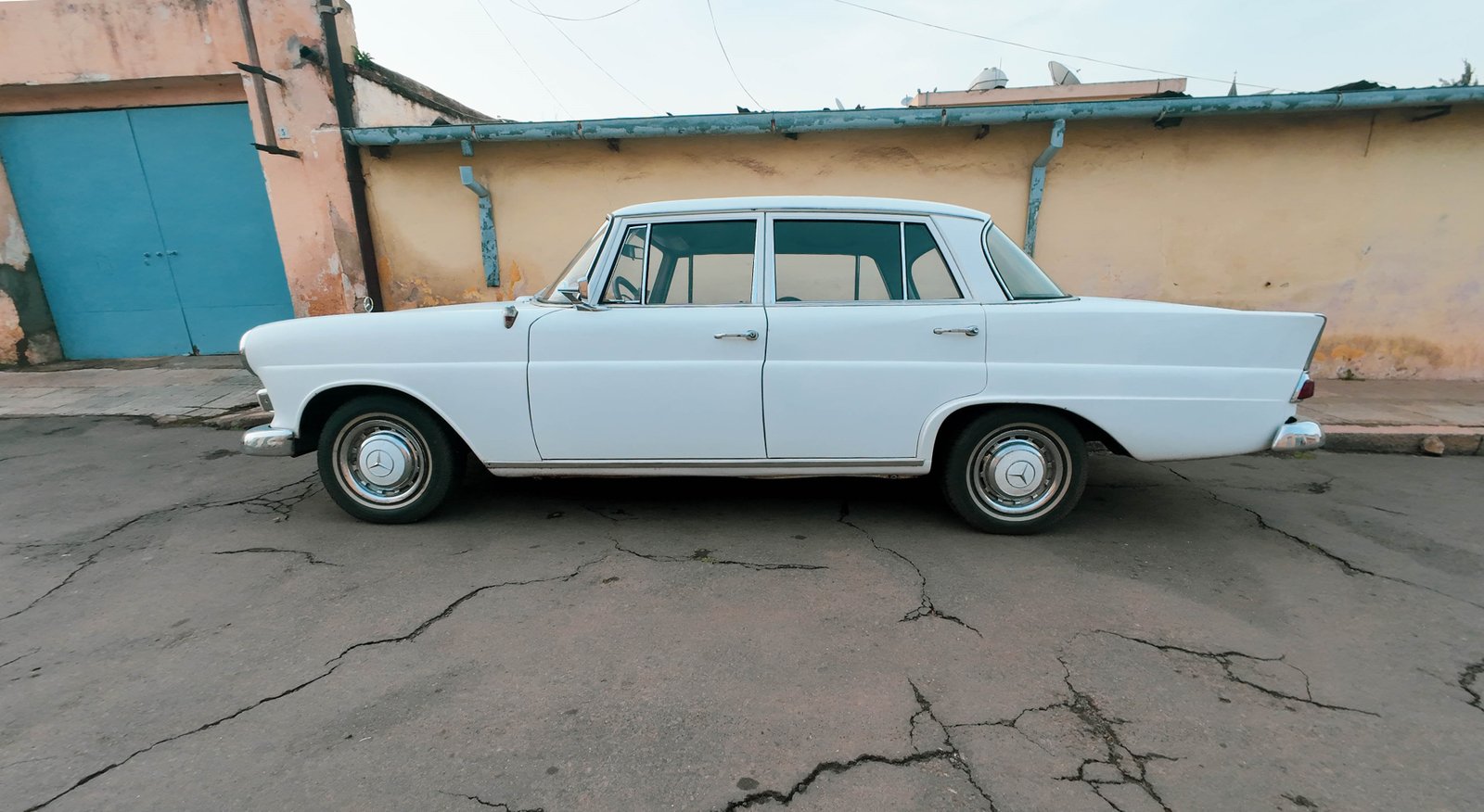
Occasional American cars from the 1950s-1970s can be found, including Chevrolet, Ford, and Chrysler models. These larger vehicles contrast with the tiny Italian cars and represent a different era of automotive imports to Eritrea.
1950s-1970s American Muscle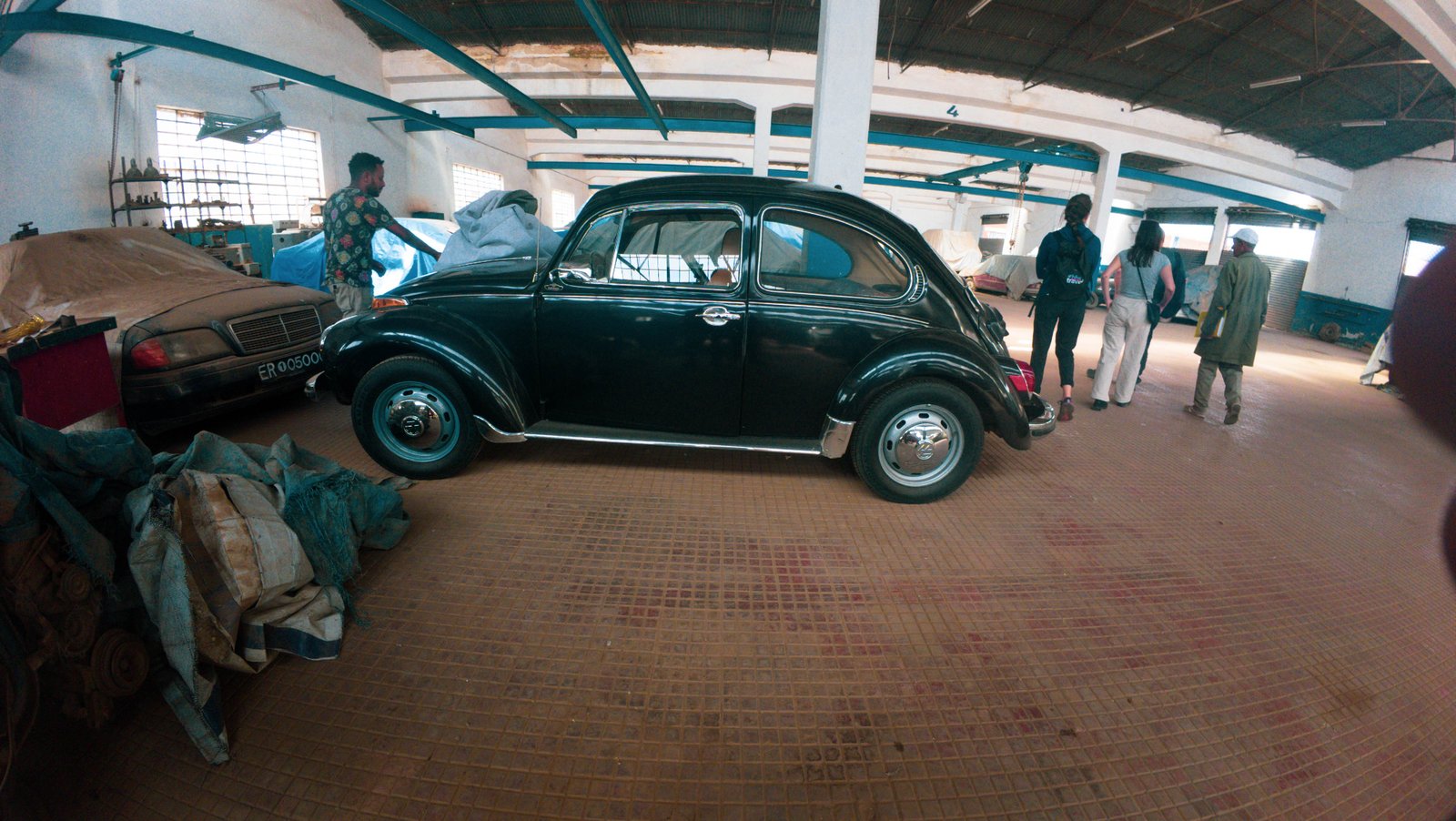
Some British cars like Rovers, Land Rovers, and Austins made their way to Eritrea. Land Rovers in particular have proven durable for Eritrea's varied terrain and can still be found in service, especially in more rural areas.
1960s-1970s British EngineeringHistorical Significance: Asmara had a famous historical racing circuit ("Circuito Automobilistico dell'Eritrea") where classic Alfa Romeos, Maseratis, and even Ferraris raced in the 1930s and 1950s.
Golden Era: During Italian colonial times, Asmara was a hub for motorsport in East Africa, attracting drivers and cars from Europe.
Legacy: While races are no longer held, the city's connection to classic car culture is undeniable. Some of the vintage cars still on the road may have racing heritage.
Photography Opportunities: The combination of Art Deco architecture and vintage cars creates unparalleled photography opportunities. Many automotive photographers consider Asmara a dream destination.
Harnet Avenue: Main street with constant vintage car traffic against architectural backdrop.
Around Fiat Tagliero: Futurist building with vintage cars creates striking contrast.
Residential Areas: Quieter streets where cars are parked or used daily.
Early Morning: Soft light and fewer people on streets.
Late Afternoon: Golden hour light enhances colors of both cars and buildings.
Weekday Mornings: More daily activity with cars being used for work/transport.
Ask Permission: Always ask before photographing people with their cars.
Respect Privacy: Don't photograph license plates or interiors without permission.
Share Photos: Offer to share photos with car owners - they often appreciate it.
From steam train rides to vintage car spotting tours
Antique vehicle tours in Eritrea offer more than just transportation - they provide immersive experiences that transport you to different eras. From the sights and sounds of steam locomotion to the daily life captured in vintage car culture, each experience is unique.
Sights: Panoramic mountain views, vintage car-filled streets, Art Deco architecture.
Sounds: Steam whistle, chugging locomotive, vintage engine sounds, bustling Asmara streets.
Smells: Coal smoke, steam, vintage car interiors, Eritrean coffee during stops.
Feel: Gentle rocking of train, breeze through open windows, texture of vintage upholstery.
Steam Train: Action shots of locomotive, scenic vistas, engineering details, crew at work.
Vintage Cars: Street scenes, car details against architecture, candid shots of daily life.
Best Equipment: Wide-angle for landscapes, telephoto for details, fast lens for low light.
Special Access: Our tours include privileged access for photography not available to general public.
Train Crew: Meet engineers and crew who maintain and operate historic equipment.
Local Communities: Interact with villagers during train stops, often with coffee ceremonies.
Car Owners: Opportunities to meet vintage car owners and learn maintenance stories.
Expert Guides: Knowledgeable guides provide historical and technical context.
Curated experiences for railway enthusiasts, vintage car lovers, and history buffs
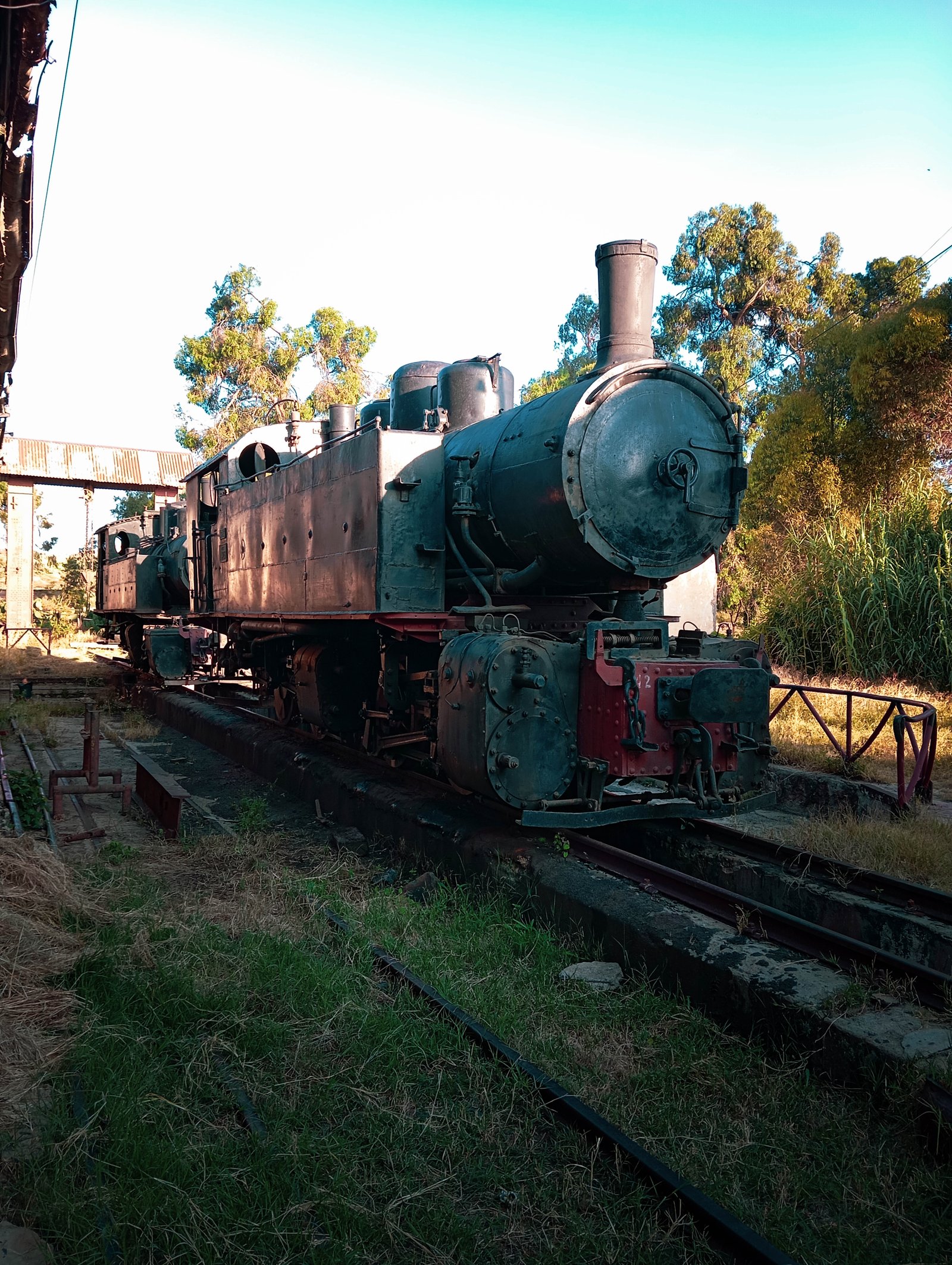
Complete steam train experience from Asmara to Arbaroba and back with all logistics handled, including village stop with coffee ceremony.
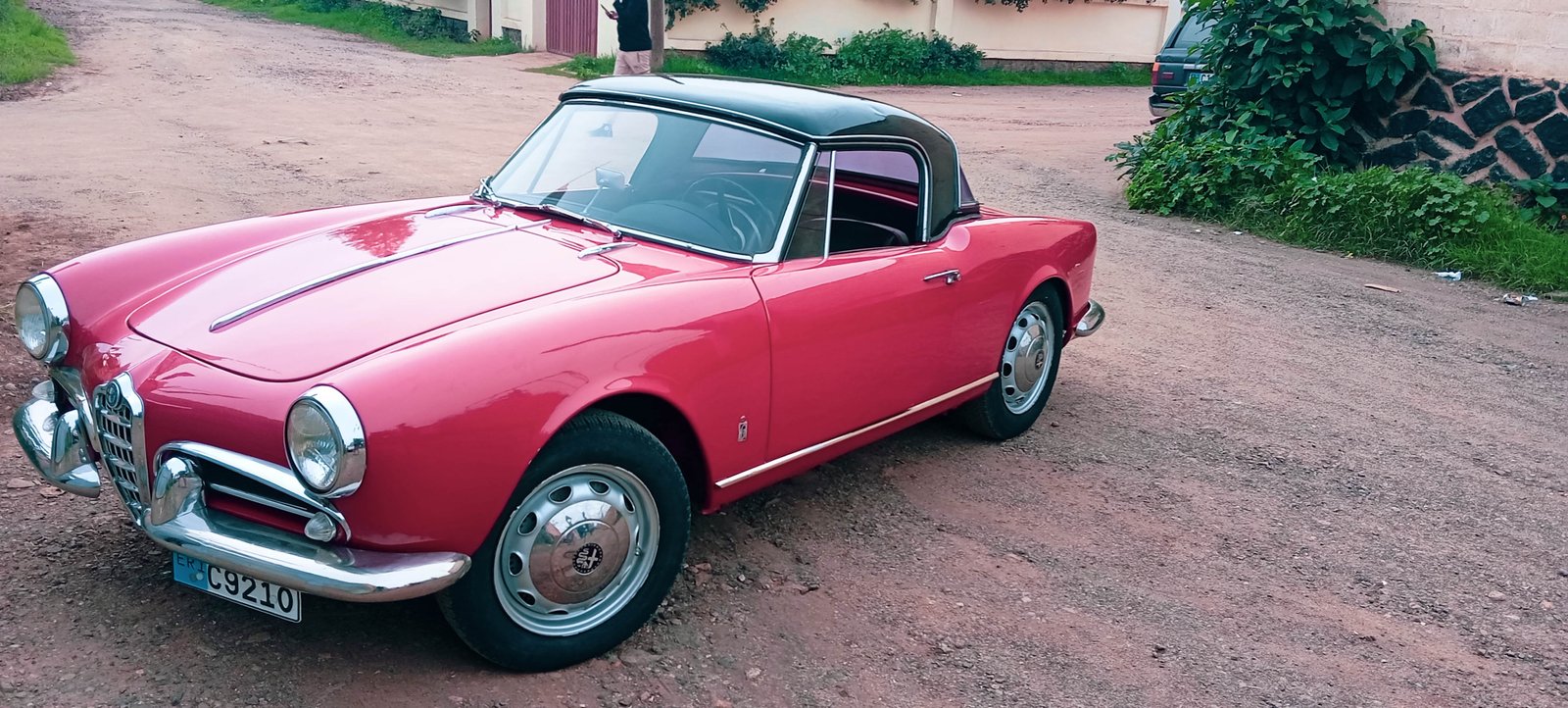
Guided photography tour of Asmara's vintage cars with expert photographer guide, including access to best locations and meeting car owners.
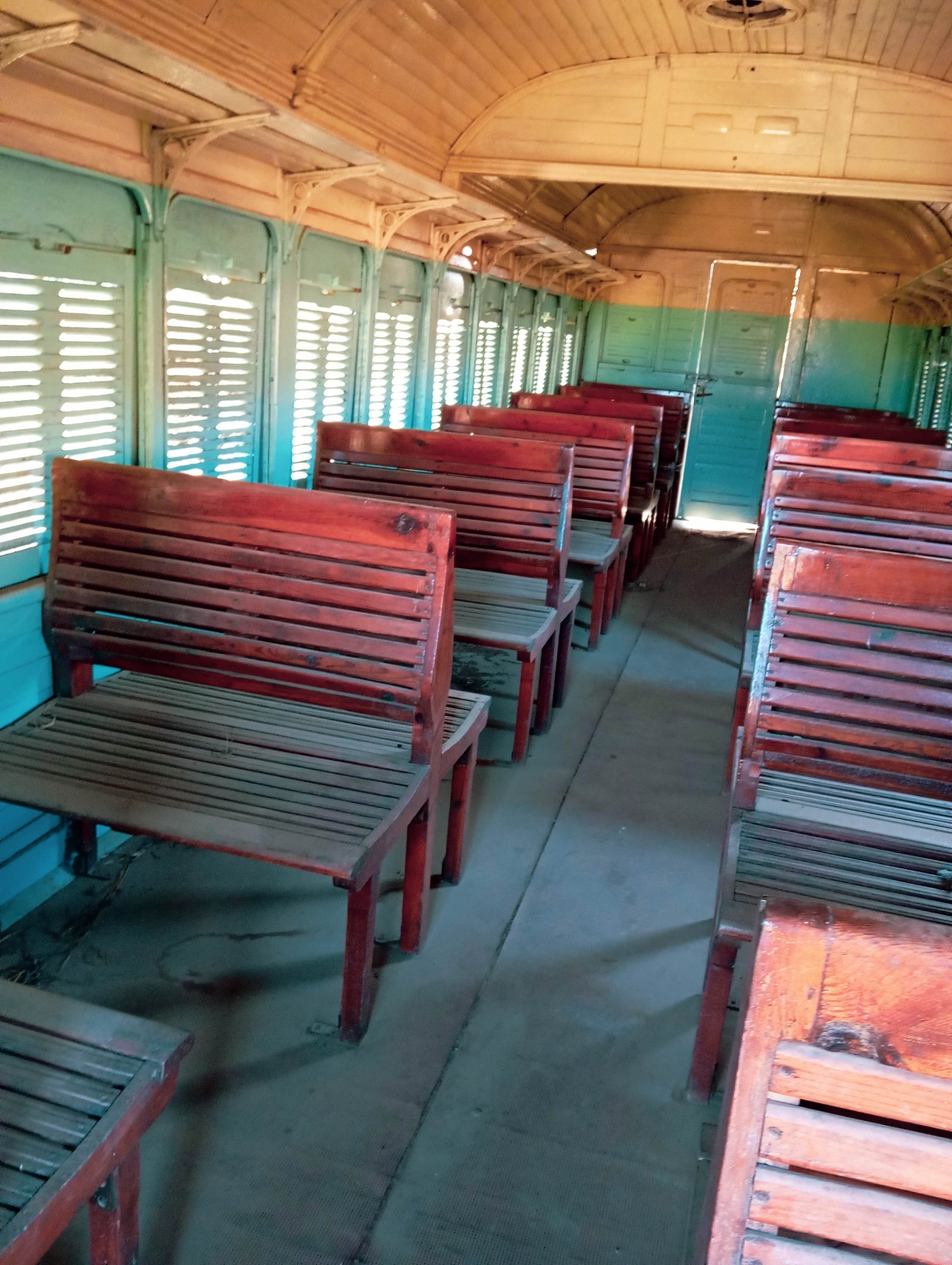
Comprehensive antique vehicle tour combining steam train journey, vintage car exploration, and visits to railway workshops and private collections.
Essential details for planning your antique vehicle adventure
Steam Train: Must be booked at least 2-4 weeks in advance due to charter arrangements, coal supply, and permit requirements.
Group Size: Minimum group sizes may apply for train charters (typically 6-10 people).
Flexibility: Dates may need adjustment based on operational factors and maintenance schedules.
Confirmation: Final confirmation usually provided 1-2 weeks before departure.
Group Tours: Join scheduled departures with other antique vehicle enthusiasts.
Private Charters: Available for families, photography groups, or special interest groups.
Custom Itineraries: We can create custom antique vehicle experiences combining railways, vintage cars, and related historical sites.
Expert Guides: All tours include guides with mechanical/historical knowledge of vehicles.
Physical Requirements: Steam train involves some walking, steps, and uneven surfaces at stops.
Weather Dependency: Train operation may be affected by heavy rain or other weather conditions.
Maintenance: Vintage vehicles require regular maintenance; occasional schedule changes may occur.
Photography Restrictions: Some areas may have photography restrictions; guides will advise.
Contact us with preferred dates and interests
We check train schedules and guide availability
Receive detailed itinerary and confirmation
Receive meeting points, what to bring, final details
Optimal seasons for railway journeys and vintage car exploration
Antique vehicle tours can be enjoyed year-round in Eritrea, but certain seasons offer more comfortable conditions for these unique experiences.
October-March (Cool Season): Ideal for both steam train journeys and vintage car tours. Comfortable temperatures for train travel and city walking. Clear skies for photography.
April-June (Shoulder Season): Still good for antique vehicle tours, though temperatures begin to rise. Train journeys remain comfortable, especially in the mornings.
July-September (Rainy Season): Steam train operation may be affected by heavy rains. Vintage car tours in Asmara are still possible between rains. Photography light can be dramatic but unpredictable.
Steam Train Photography: Morning departures offer best light for photography as train winds through mountains.
Vintage Car Photography: Early morning or late afternoon for best light on Asmara's streets. Weekdays for more active street scenes.
Workshop Visits: Weekdays for active maintenance and restoration work viewing.
Special Events: Occasionally special steam train events are scheduled - inquire for upcoming events.
Visual journey through Eritrea's living transportation history
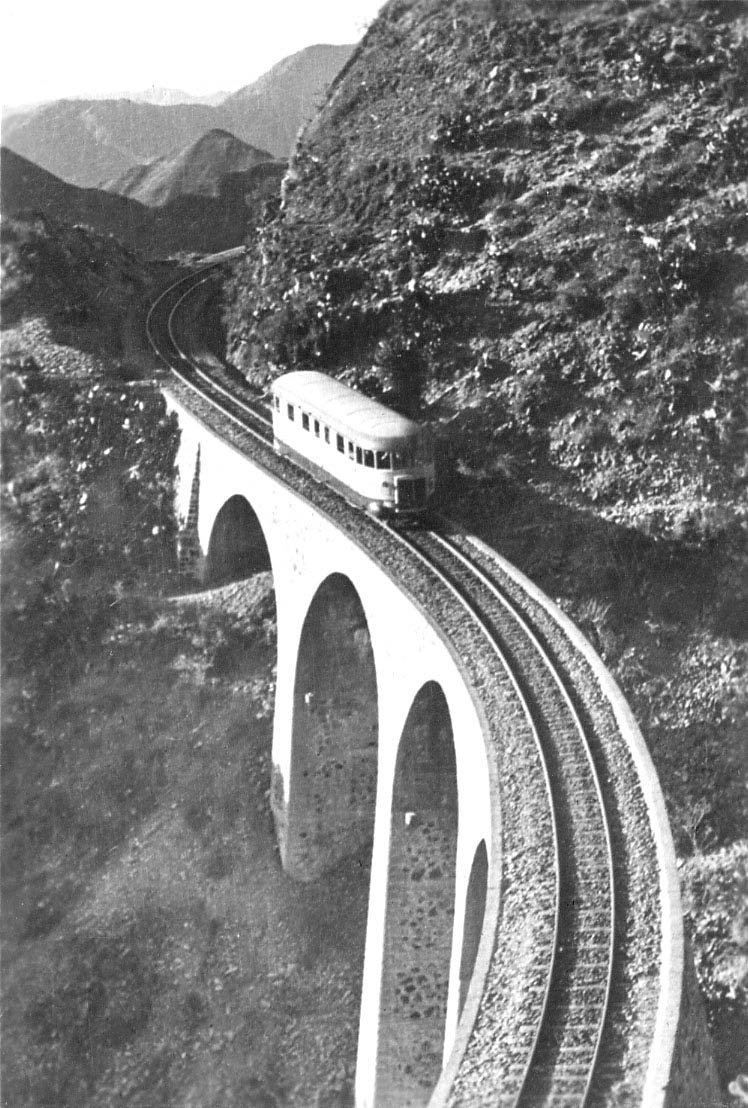
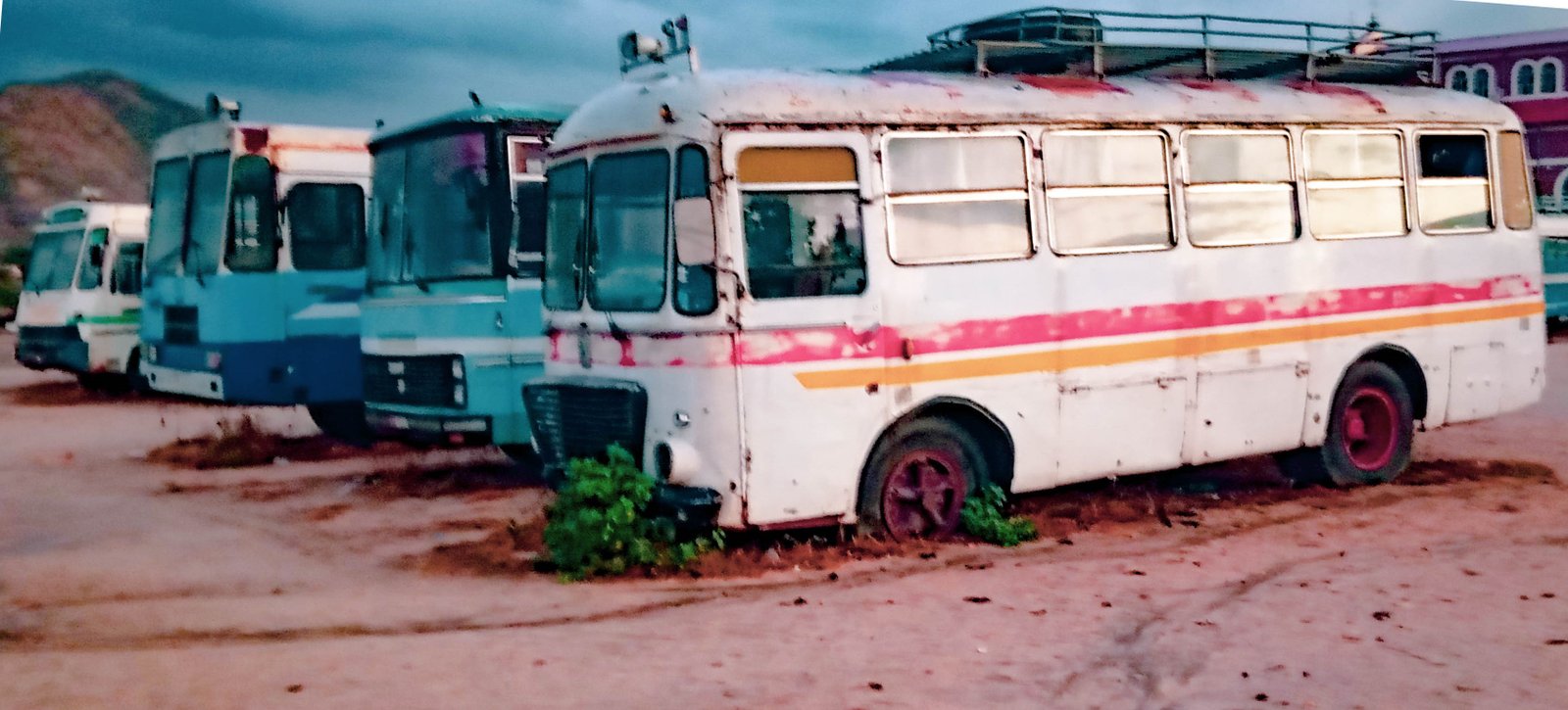
Eritrea's antique vehicle tours offer unparalleled opportunities to experience living transportation history. Whether you're a railway enthusiast, vintage car lover, photographer, or simply someone who appreciates historical preservation, these journeys provide authentic experiences you won't find anywhere else in the world. Ride a 1930s steam train through breathtaking landscapes and explore streets filled with classic cars still in daily use.